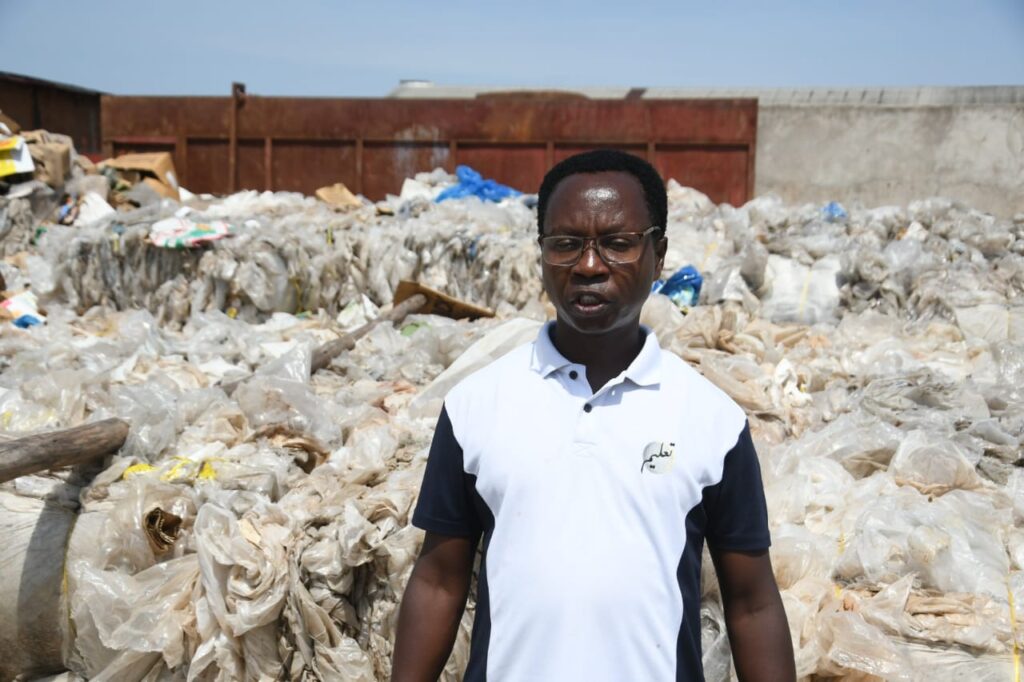
The Ministry of Environment, Agriculture and Livestock organized activities on Thursday, May 28, 2026, along the Kinyankonge river in the Ngagara zone of Bujumbura province. These activities primarily consisted of removing waste from the river, a key step in local environmental conservation efforts. The event marked the day designated for environmental protection by a joint ministerial order, showing the government's commitment to addressing ecological challenges. This significant order was jointly issued by the ministry responsible for the environment and the ministry responsible for the interior, noting a coordinated approach to environmental governance and public safety.
Weekly Environmental Action
The environmental activities undertaken involved the systematic removal of various types of waste from the Kinyankonge river. This targeted cleanup operation was deemed essential due to the river's direct flow into Lake Tanganyika. The Kinyankonge river was specifically chosen for this cleanup initiative precisely because it empties directly into Lake Tanganyika, a vital natural resource. Lake Tanganyika serves as an indispensable source of fresh water, especially for the inhabitants of Bujumbura city, making its protection from pollution a top priority. The removal of waste was key to prevent it from reaching the lake and contaminating this essential freshwater supply.
Challenges and Opportunities
The primary objective of Environmental Protection Day activities is to increase public awareness regarding environmental protection and effective waste management strategies, with a particular focus on plastic waste. This initiative aims to educate the community on the importance of sustainable practices and the detrimental effects of improper waste disposal. During the recent cleanup efforts, waste collected from the Kinyankonge river included various materials, ranging from plastics to organic debris. This removal was undertaken specifically to prevent the waste from reaching Lake Tanganyika and consequently polluting its water, which is a vital freshwater source for a significant portion of the population.
Silas Bucumi, representing Investment group, commented on the fate of collected waste, offering an innovative solution to a common problem. He stated that the collected waste no longer poses a disposal challenge, as it is gathered for export to be sold abroad. This process, as Bucumi explained, serves to generate foreign currency, transforming what was once an environmental burden into an economic opportunity. This approach not only aids in waste management but also contributes to the local economy.
Official Statements and Future Outlook
Officials from the Ministry of Environment, Agriculture and Livestock are required to engage in field activities every Thursday to raise public awareness regarding sound environmental protection practices. This directive aims to promote consistent engagement with communities on environmental issues, ensuring that environmental education and action are ongoing efforts rather than isolated events. Every Thursday, all officials from the Ministry of Environment, Agriculture and Livestock are mandated to go to the field to interact directly with the public and disseminate information on good environmental protection practices.
However, a significant challenge has been noted in public participation. Jean Girukwishaka stated that "the population does not respond massively to environmental protection activities and waste management." This low turnout from the public remains an obstacle to the broader implementation of waste management and environmental protection initiatives. One of the primary challenges encountered by the ministry is indeed this lack of widespread public engagement in environmental protection and waste management activities. The lack of widespread public engagement complicates efforts to address environmental concerns effectively, despite the ministry's regular outreach efforts and the clear importance of community involvement for the success of these programs.