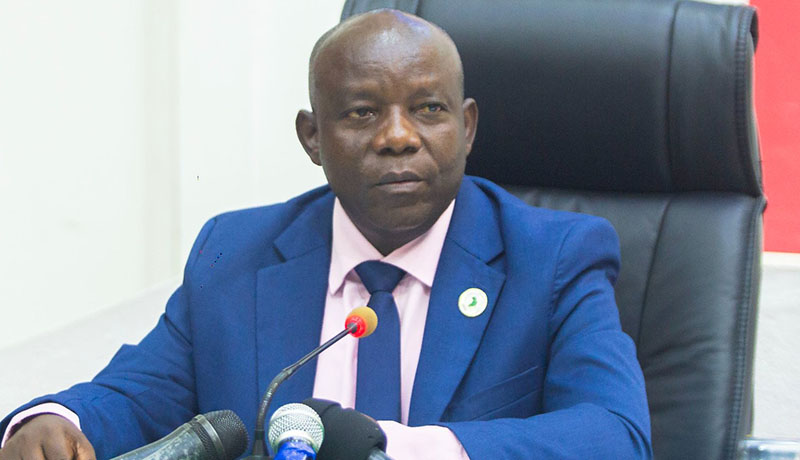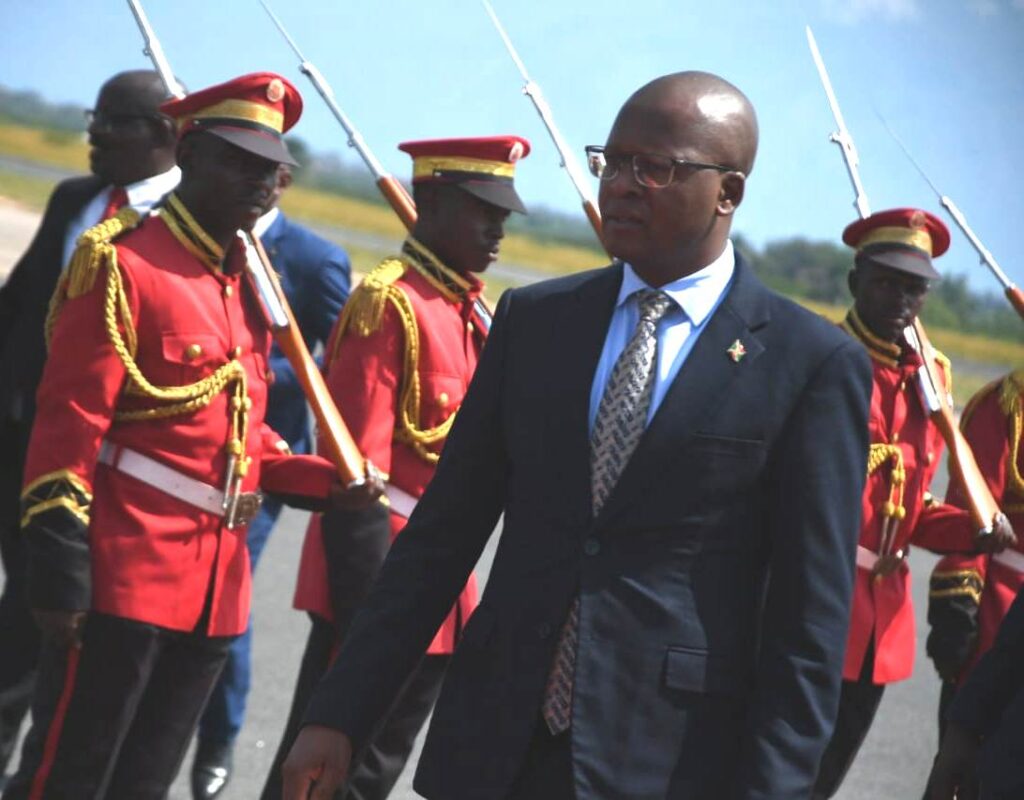
Burundian Prime Minister Nestor Ntahontuye returned to Burundi on the afternoon of Friday, May 29, 2026, after attending a significant conference in Tajikistan focused on water management. He was specifically returning from Dushanbe, the capital of the Republic of Tajikistan, where the international event took place. Upon his return, Prime Minister Ntahontuye emphasized that water is central to national development, stating, "As you know, water is life; without water, there is no life. It allows for increased agricultural production, electric energy, personal hygiene, and sanitation." This statement showed his conviction regarding the indispensable nature of water for societal progress and well-being.
Ntahontuye noted the critical importance of integrated water resource management, stressing that a holistic approach is necessary for sustainable utilization. He also noted the imperative need for cooperation regarding shared water resources among nations, explaining, "We receive water coming upstream and we also transfer it downstream to other countries. So, water must be shared." This perspective emphasized the transboundary nature of water resources and the collaborative responsibility required for their equitable distribution and management. The Prime Minister advocated for strengthened cooperation with other nations across various sectors, including energy, health, and infrastructure, recognizing the interconnectedness of water management with broader national development goals.
Water Conference and Strategic Review
Prime Minister Nestor Ntahontuye's return followed his active participation in a high-level water management conference held in Dushanbe, the capital of the Republic of Tajikistan. This particular event marked the fourth high-level conference on water and development, bringing together international delegates to discuss pressing global water issues. The conference focused on a full evaluation of the strategic document 2018-2028, which outlines national and international approaches to water resource management. This review aimed to assess the progress made since the document's inception and to identify future priorities for sustainable water practices, ensuring that global efforts remain aligned with current challenges and opportunities. The discussions during the conference provided a platform for sharing best practices and innovative solutions in water governance and utilization.
Bilateral Cooperation Discussions
Prime Minister Nestor Ntahontuye’s engagement in Tajikistan extended beyond the multilateral conference. During his visit, the Burundian Prime Minister also met with his Tajik counterpart in a dedicated bilateral session. These discussions centered on exploring and strengthening cooperation between Burundi and Tajikistan across various sectors. The bilateral meeting aimed to identify potential areas for collaboration and mutual benefit between the two nations, fostering stronger diplomatic and economic ties.
During their meeting, the two Prime Ministers agreed to strengthen cooperation in several key areas. These included energy, health, infrastructure, roads, transformation, and industry. This broad scope of collaboration reflects a shared understanding of the importance of diverse partnerships for national development. The agreement signifies a commitment from both Burundi and Tajikistan to work together on initiatives that could drive economic growth and improve the quality of life for their respective populations. The discussions showed the potential for knowledge exchange and joint projects that could leverage the strengths of each country.
Tajikistan's Hydropower Model
Prime Minister Nestor Ntahontuye reiterated his earlier statement that water is essential for various aspects of life, including agricultural production, electrical energy, personal hygiene, and sanitation, emphasizing its foundational role in human society. During his visit to Tajikistan, he undertook a tour that included a national museum and a significant hydroelectric dam. This visit provided him with firsthand insight into Tajikistan's strategic approach to water resource utilization.
The hydroelectric dam visited provides an impressive 3,000 MW of power, showcasing a remarkable capacity for renewable energy generation. This particular dam is one of six such facilities constructed on a river in Tajikistan, contributing significantly to the nation's energy infrastructure and its overall economic development. The Prime Minister's visit to the dam offered a valuable perspective into Tajikistan's approach to large-scale water resource utilization for power generation, noting the country's success in harnessing its natural assets for energy independence and economic prosperity. The scale and efficiency of these hydropower projects provided a tangible example of how water resources can be effectively managed for national benefit.
Implications for Burundi
Prime Minister Ntahontuye emphasized that water must be shared and requires concerted, integrated management for the integral development of all countries, a principle reinforced by his observations in Tajikistan. During the visit, delegations from Burundi and Tajikistan formally agreed to strengthen cooperation across multiple sectors. These areas include energy, health, infrastructure, roads, transformation, and industry, indicating a full framework for future collaborative efforts.
Burundi, with its significant water resources, possesses considerable potential to maximize energy production by drawing inspiration from Tajikistan's successful hydropower model, according to the Prime Minister. This approach could involve developing its own hydroelectric projects, similar to those observed in Tajikistan, to harness its abundant water assets. Such strategic development could contribute substantially to the integral development of the nation, providing a reliable and sustainable source of electricity, fostering industrial growth, and improving living standards for its citizens. The Prime Minister's observations in Tajikistan have clearly informed his vision for Burundi's future water management and energy strategy, emphasizing the transformative potential of well-planned resource utilization.