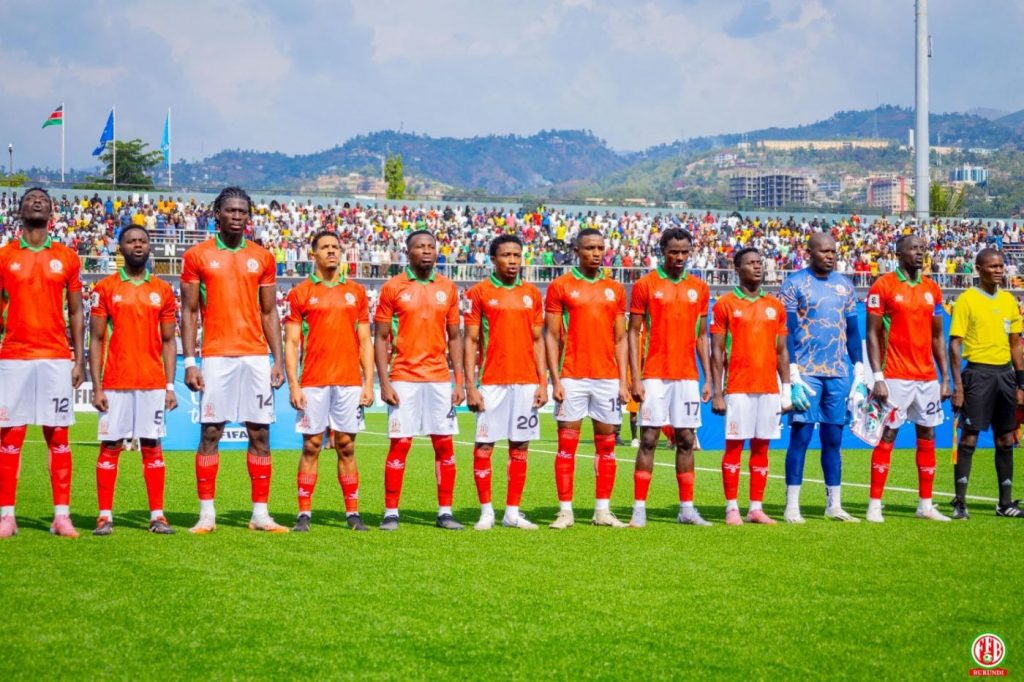
A friendly football match between the national teams of Burundi (Intamba Mu Rugamba) and Equatorial Guinea, originally scheduled for June 4, 2026, has been officially cancelled. The highly anticipated international fixture was set to take place in the Moroccan city of Marrakech. This cancellation comes amidst broader concerns regarding the Ebola virus, which have significantly impacted several sporting events globally. The decisive action to call off the fixture was taken by the Moroccan authorities, directly preventing the two national teams from competing as planned in the North African nation. The decision shows a proactive approach to public health in the face of potential viral threats.
Match Suspension Details
The friendly football match between Burundi and Equatorial Guinea was specifically slated to be held in Marrakech, Morocco, a prominent venue for international sporting events. However, Moroccan authorities initiated a full decision to suspend all matches planned for Marrakech during that period. This widespread suspension directly impacted the international friendly fixture involving Burundi and Equatorial Guinea, leading to its definitive cancellation. The suspension order meant that no football matches would proceed in Marrakech, ensuring a uniform application of the health-related directive.
Ebola Risk Cited as Primary Reason
The suspension of the friendly football match in Marrakech was explicitly attributed by Moroccan authorities to the prevailing risk of Ebola. This critical decision reflects broader and ongoing concerns regarding the potential spread of the Ebola virus, which has, on numerous occasions, led to significant disruptions in various sporting events and international gatherings. The cancellation directly impacts the friendly fixture between Burundi's national team, Intamba Mu Rugamba, and Equatorial Guinea, preventing them from playing as originally planned on June 4, 2026. Moroccan authorities initiated the suspension across all matches scheduled for Marrakech due to these pressing health concerns, prioritizing public safety above sporting engagements. The specific mention of Ebola risk notes the gravity of the situation as perceived by the host nation.
Burundi Federation Confirms Cancellation
The Federation of Football of Burundi (FFB) promptly confirmed the cancellation of the friendly match against Equatorial Guinea, which was scheduled to be played in Marrakech, Morocco. The FFB issued an official statement acknowledging the decision made by Moroccan authorities to suspend the fixture. This confirmation from the FFB solidifies the match's official cancellation, thereby preventing the Intamba Mu Rugamba from participating in the contest as planned on June 4, 2026. The federation’s statement noted that the decision was made due to health concerns, aligning precisely with the broader reasons cited by the Moroccan authorities regarding the Ebola risk. The FFB's communication ensured that all stakeholders, including players, staff, and fans, were informed of the change in schedule and the underlying reasons for the drastic measure.
Broader Health Context of Ebola
Ebola virus outbreaks have historically led to significant public health challenges in various parts of Africa, necessitating strong and immediate responses. The World Health Organization (WHO) has frequently issued warnings and implemented full response measures to contain the spread of the disease, which is characterized by severe, often fatal, symptoms. Concerns over potential international transmission have consistently prompted governments and sporting bodies to take stringent precautionary steps, including the imposition of travel restrictions and the cancellation of major public events. These measures are typically enacted to safeguard public health and prevent the virus from spreading beyond affected regions, especially when large gatherings or international travel involving participants from potentially affected areas are involved. The decision by Moroccan authorities aligns with these global health protocols designed to mitigate risks associated with infectious disease outbreaks.