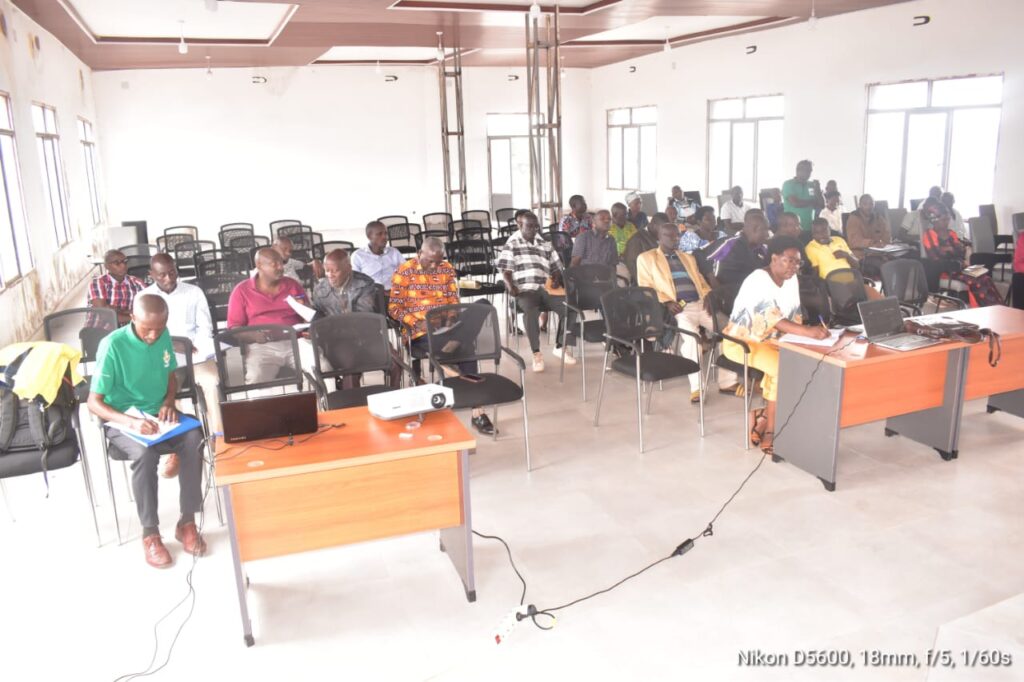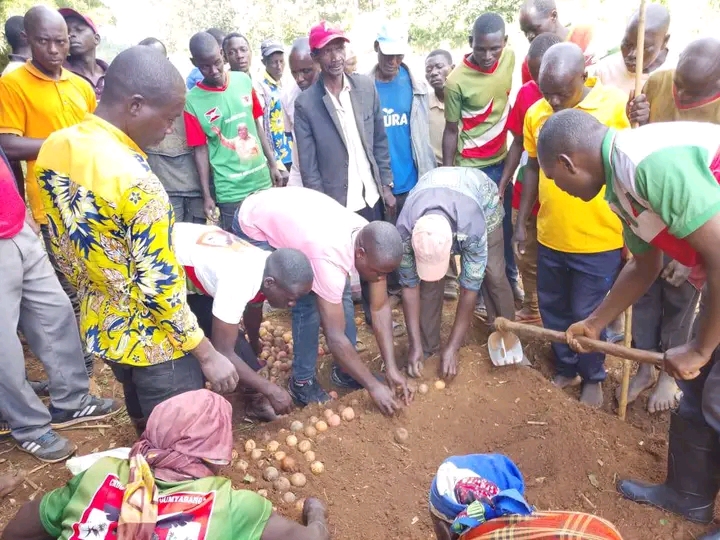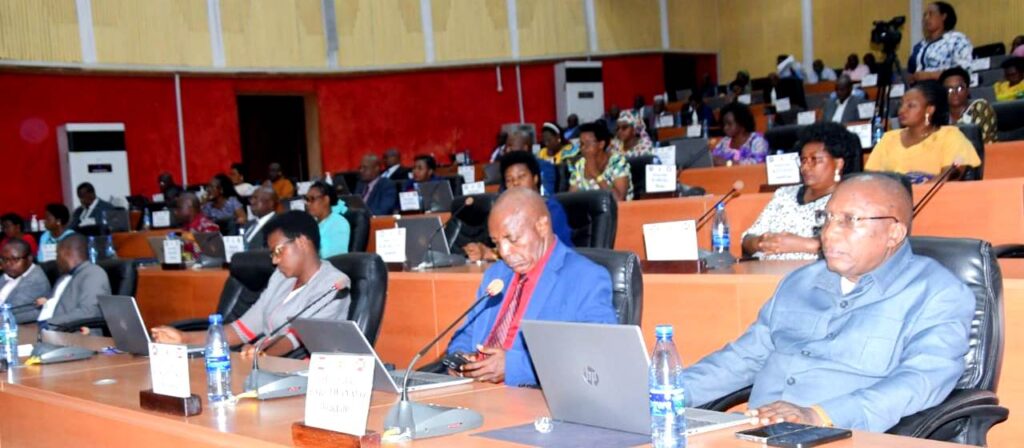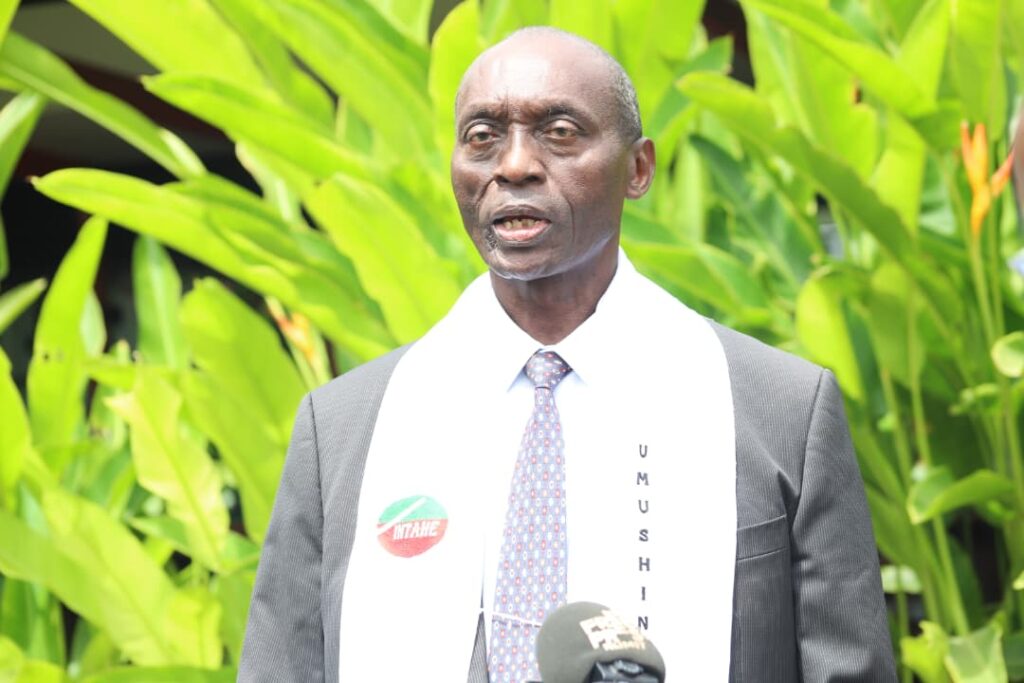
The Conseil national des Bashingantahe is organizing a national colloquium in Bujumbura from June 2 to June 3, 2026. This significant gathering aims to explore the profound contribution of Bashingantahe to Burundi's ambitious long-term development goals. Discussions throughout the two-day event will center on how Bashingantahe, a revered traditional institution, can effectively help achieve the national vision of Burundi becoming an emerging country by 2040 and transforming into a developed nation by 2060. The colloquium's overarching theme is "the project of socio-cultural transformation of Burundi for integral and sustainable development," showing a holistic approach to national progress.
Colloquium's Objectives and Scope
A primary objective for the participants in the colloquium is to thoroughly analyze the necessary and sufficient conditions required for Burundi's sustained development. This analytical approach is designed to identify key factors that must be in place for the nation to achieve its aspirational targets. Organizers have strongly emphasized the key importance of collaboration, issuing a clear call for all attendees to work hand in hand, consciously overcoming all sorts of divisions, to achieve truly sustainable development. They stressed that unity is not merely desirable but an indispensable prerequisite to build a prosperous and developed Burundi. This collective effort is seen as fundamental to navigating the complexities of national growth and progress.
The Role of Bashingantahe
The Conseil national des Bashingantahe operates with the recognized status of a tribunal, providing a formal structure to its traditional functions. Bashingantahe itself is widely recognized as a deeply rooted traditional Burundian practice, embodying wisdom, justice, and reconciliation. This esteemed traditional system plays a vital role in the community by handling the reconciliation of litigation, often resolving disputes at a local level before cases escalate to the hill notables. Beyond its reconciliation duties, the institution of Bashingantahe also actively supports the Burundian government in its ongoing and critical efforts to combat corruption, contributing to good governance and transparency. This dual role shows its significance in both traditional justice and modern administrative support.
Calls for Unity and Collaboration
Adrien Sibomana, president of the Conseil des Bashingantahe, acknowledged and saluted the strong and effective collaboration between the council and the administration, from the base to the top levels of governance. This cooperative spirit is considered essential for the successful implementation of national development strategies. Abbé Adrien Ntahona, a respected figure, advised Bashingantahe to always serve as an exemplary role model by consistently relying on their core values. This guidance notes the moral and ethical foundation expected of Bashingantahe members. The colloquium successfully gathered a diverse group of Bashingantahe from various regions and communities, including those working within Burundi, as well as representatives from Europe, the United States, the East African Community, and Canada. This broad international and regional representation fostered a full and inclusive perspective for the discussions, enriching the dialogue on Burundi's future.
Vision for National Development
The colloquium's central theme focuses explicitly on the project of socio-cultural transformation for Burundi, aiming for integral and sustainable development across all facets of society. This initiative aligns perfectly with the nation's broader and long-term aspirations. Burundi's government, with the support of institutions like the Conseil national des Bashingantahe, seeks to achieve emerging country status by 2040 and is committed to becoming a developed nation by 2060. The contribution of Bashingantahe to achieving this specific vision of becoming an emerging country by 2040 and a developed nation by 2060 was a central and recurring point throughout the discussions, emphasizing their integral role in shaping the nation's destiny.