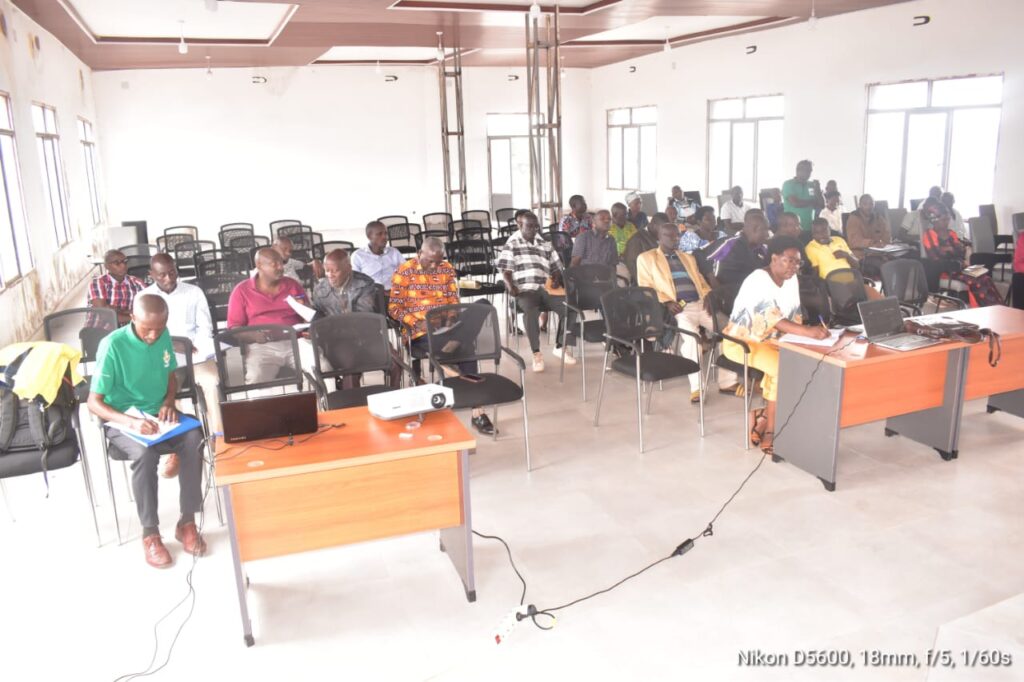
Officials in Burunga, Burundi, convened a meeting on Monday, June 1, 2026, to address challenges in local seed production. The meeting, which gathered key stakeholders in the agricultural sector, aimed to discuss how to promote quality seeds and increase local production. Jean Marie Congera stated that the gathering was specifically organized to find solutions for producing quality seeds within the region. This initiative aims to enhance agricultural output and self-sufficiency in Burunga, ultimately strengthening the region's food security.
Addressing Seed Sector Challenges
Seed multipliers present at the meeting noted several challenges impacting local production. These included fraud perpetrated by unqualified individuals selling poor quality seeds, which undermines trust and agricultural output. This illicit trade not only misleads farmers but also contributes to lower yields and economic losses for the agricultural community. They also cited competition from imported foreign seeds, such as maize, which often negatively affects local varieties and biodiversity. The influx of foreign seeds can displace traditional local strains, potentially reducing the genetic diversity key for resilience against pests and diseases. Insufficient or delayed access to fertilizers was another significant hurdle identified by the multipliers, impacting the overall health and productivity of crops.
Jean Marie Congera responded by urging seed multipliers to establish platforms for synergistic collaboration. He emphasized that such platforms would foster a more coordinated approach to seed production and distribution. Congera assured the group that measures would be taken to eliminate fraud, stating that seeds would be certified by competent authorities to guarantee their quality and origin. This initiative aims to streamline the seed supply chain and protect local farmers from substandard products, building greater confidence in locally sourced seeds.
Promoting Synergy and Professionalism
Jean Marie Congera, the Director Provincial of Environment, Agriculture and Livestock in Burunga, held a meeting with local seed multipliers to discuss the future of seed production in the region. During the session, Congera asked seed multipliers to create platforms to work in synergy, emphasizing the importance of collaborative efforts in overcoming shared challenges. He also asked them to work professionally, producing quality seeds that meet established standards. The Director Provincial urged the multipliers to enhance their professional practices, emphasizing the importance of producing high-quality seeds consistently. He indicated that efforts would be made to resolve the ongoing issue of seed importation, which has been a concern for local producers, by bolstering domestic capabilities. The Director Provincial's remarks showed the administration's commitment to supporting domestic agricultural output and ensuring the availability of certified seeds for farmers.
Establishing Support Platforms
A provincial platform was established at the close of the meeting, designed to monitor and support existing communal platforms. This new structure aims to enhance coordination among seed multipliers and ensure that local seed production meets required standards. The platform will facilitate information exchange and resource allocation, strengthening the overall agricultural infrastructure in Burunga. This initiative responds to the challenges identified by seed multipliers, providing a framework for collaborative problem-solving and quality control, and ensuring that certified seeds are consistently available to farmers.
Director's Vision for Local Agriculture
The meeting's primary objective was to discuss methods for promoting quality seeds and increasing local production in Burunga. Officials aimed to foster agricultural self-sufficiency within the region. A key focus of the discussions was to minimize the reliance on imported seeds by bolstering domestic capabilities. The gathering sought to identify strategies that would enable Burunga to produce locally what it currently imports, thereby strengthening its agricultural sector and reducing economic outflow. This strategic shift is expected to enhance the region's resilience and ensure a sustainable supply of high-quality seeds for its farming communities.