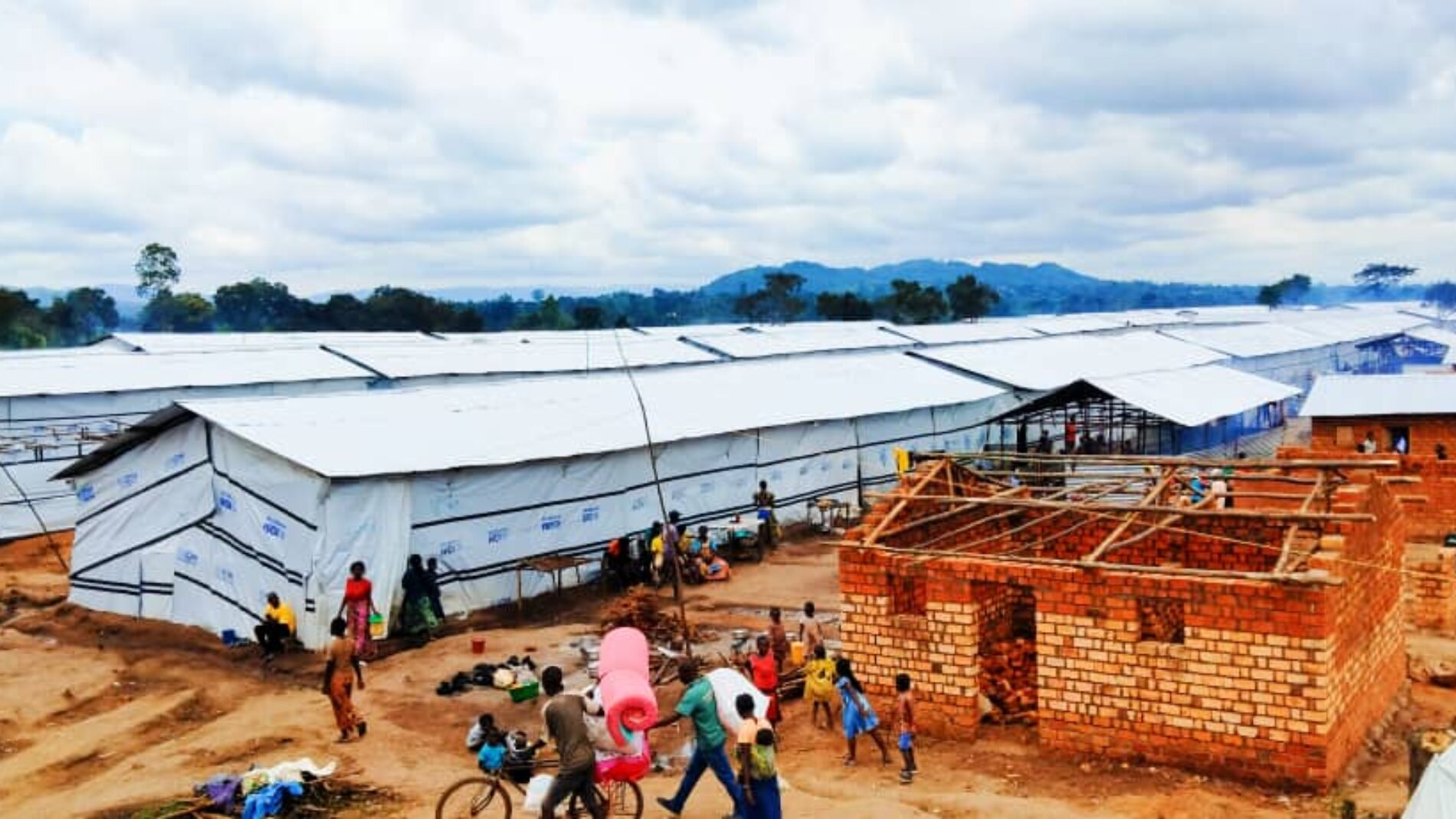
Congolese refugees residing at the Musenyi site in Musongati commune, Burunga province, southeastern Burundi, have expressed approval for a new measure granting them increased freedom of movement. This development impacts nearly 22,000 refugees hosted at the Musenyi site, which is located in the southeastern region of Burundi. The change allows refugees greater mobility beyond the immediate camp vicinity, a development that has been widely welcomed by the Congolese refugees living there. This significant policy shift is expected to enhance the daily lives and opportunities for the refugee population.
New Freedoms Detailed
Refugees at the Musenyi site are now permitted to move freely within the Giharo zone and the broader Musongati commune. This new policy explicitly eliminates the previous requirement for an exit permit, a major change from prior restrictions. To utilize this expanded freedom of movement, refugees must first register their names with the site administration. This measure streamlines the process for refugees to travel beyond the immediate vicinity of the camp, marking a significant change in their daily lives. The change impacts nearly 22,000 refugees housed at the Musenyi site in Burunga province, which is located in Musongati commune. This adjustment is expected to facilitate greater integration and access to local services and economic opportunities within the designated areas of the Giharo zone and the entire Musongati commune. The ability to circulate without a specific permit represents a substantial improvement in their autonomy.
Context and Previous Hardships
Previously, refugees faced arrest for exceeding the designated limits around the Musenyi site, even when undertaking daily activities or pursuing livelihoods. This restriction significantly impacted their ability to integrate and sustain themselves outside the immediate camp environment. The prior limitations at Musenyi created considerable challenges for the nearly 22,000 refugees residing there, hindering their access to opportunities and services in the broader Musongati commune and Giharo zone. The previous system effectively restricted refugees' movements, making it difficult to engage with local communities or seek economic activities outside the camp without risking detention. In some other camps within the region, refugees are still confined to a five-kilometer radius, requiring special exit authorization to travel beyond this boundary, noting the severity of the restrictions that were once common. The new policy at Musenyi directly addresses these past hardships, offering a more flexible and humane approach to refugee management.
Refugee Reactions
Burundian legislation, alongside established international principles, generally grants refugees the right to move freely within their host commune. This fundamental right allows for circulation throughout the designated commune where refugees reside. The recent policy change at the Musenyi site aligns with these broader legal frameworks, enabling greater mobility for the nearly 22,000 refugees. This adjustment facilitates their ability to integrate more fully into the local community and access opportunities within the Musongati commune and Giharo zone. The move represents a practical implementation of these long-standing legal entitlements for refugees in Burundi. The refugees living on the Musenyi site, located in Musongati commune, Burunga province, southeastern Burundi, have welcomed this new measure, seeing it as a key step towards improving their living conditions and fostering self-reliance.
Broader Implications
The expanded freedom of movement for Congolese refugees at the Musenyi site in Musongati commune, Burunga province, suggests a potential shift towards more integrated refugee policies in Burundi. This policy adjustment, which permits free movement within the Giharo zone and Musongati commune, could serve as a model for other refugee sites in the country. Such measures align with international standards and Burundian legislation, which generally grant refugees the right to circulate freely within their host commune. The move for the nearly 22,000 refugees at Musenyi could pave the way for similar changes, potentially improving livelihoods and fostering greater self-reliance across other refugee communities in Burundi. This development shows a commitment to upholding the rights of refugees and promoting their integration into host communities.