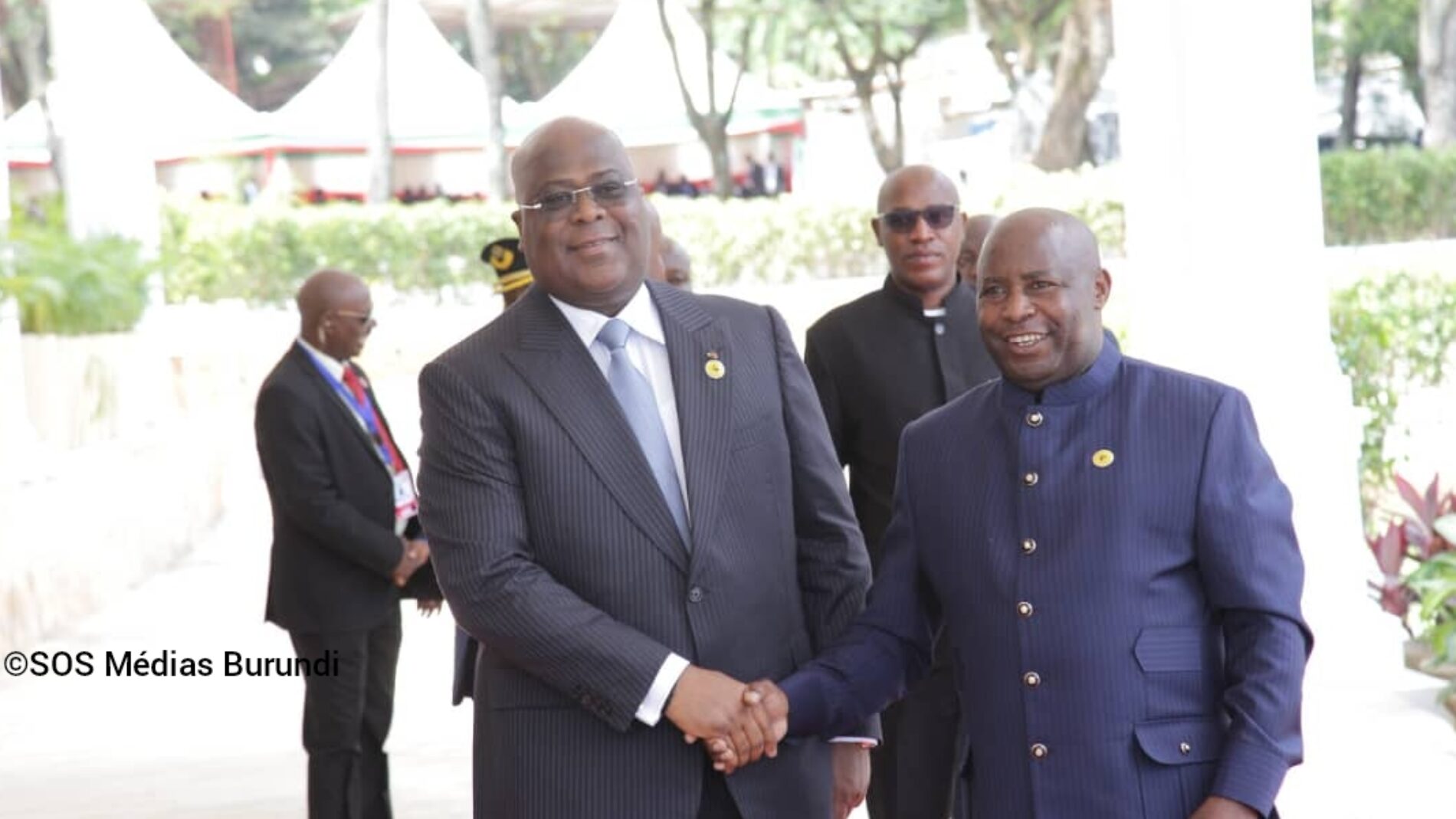
Congolese nationals have been arrested in recent months in Uvira, South Kivu, and Bujumbura, Burundi, amid heightened regional security cooperation between the Democratic Republic of Congo (DRC) and Burundi. The arrests, which began in February, concern individuals suspected of expressing critical opinions on the security situation in eastern DRC or publishing analyses on governance and military operations. These operations have seen a number of Congolese citizens apprehended in both countries. Some detainees have been accused of suspected collaboration with the AFC/M23, a rebel group active in the region. Congolese security sources stated that several nationals suspected of links with M23 or collaboration with Rwanda have been arrested in Burundi. These individuals were subsequently handed over to Congolese authorities, according to the sources, showing the active nature of the bilateral security arrangements.
The reinforced security cooperation between the DRC and Burundi has led to a series of detentions that have drawn significant attention. This collaboration aims to address persistent security challenges in the volatile eastern regions of the DRC, which have been plagued by various armed groups. The focus on individuals expressing critical opinions or publishing analyses notes a particular sensitivity to public discourse surrounding the ongoing conflicts and governance issues in the area. The accusations of collaboration with the AFC/M23 or links with Rwanda suggest a concerted effort by Congolese authorities to neutralize perceived threats to national security, even extending across borders.
Details of Arrests and Detentions
Some individuals arrested in connection with the security cooperation were subsequently transferred to Kinshasa, the capital of the Democratic Republic of Congo. This transfer often involved complex logistical arrangements, reflecting the cross-border nature of these operations. Other individuals who had been arrested or were facing potential detention have sought refuge by fleeing to neighboring countries such as Tanzania and Uganda, or to the Congolese city of Bukavu, indicating a climate of fear and uncertainty among those perceived as critical voices. The decision to flee suggests a lack of confidence in the legal processes or personal safety within their home areas.
Among those detained, analyst Alexis Ngwega was arrested in Bujumbura before being transferred to Kinshasa as part of these operations. His arrest, given his public profile as an analyst, has been particularly noted by civil society groups. Separately, Ir. Jean-Pierre Zembezembe was arrested in Beni, North Kivu, while he was attempting to obtain a passport, noting how even routine administrative actions can intersect with these security crackdowns. Human rights defender Me Muzingwa was arrested in Uvira, transferred to Kinshasa, and later released from detention, a rare outcome compared to others who remain in custody. Additionally, Maître Mega of Uvira and comedian Kiroka are also among the Congolese nationals who have been affected by these arrests, their cases adding to the growing list of individuals targeted.
More recently, humanitarian worker Babunga Benjamin Watuna was arrested in Bujumbura by Burundian intelligence services on Tuesday, May 26, 2026. This arrest of a humanitarian worker has further amplified concerns among international observers regarding the scope and nature of these security operations. Several of the individuals handed over to Congolese authorities were subsequently transferred to prisons in Kinshasa, a move described as part of the ongoing bilateral cooperation between the two nations. These transfers to the capital's correctional facilities often entail significant distances from their places of arrest, making access for family and legal representation more challenging. The decision to detain individuals in Kinshasa rather than closer to their arrest locations or alleged offenses raises questions about due process and judicial fairness.
Context of Security Cooperation
Tens of thousands of Burundian soldiers have been deployed in eastern Democratic Republic of Congo (DRC) since August 2022, contributing to a complex security environment in the region. This significant military presence shows the depth of the security challenges and the commitment of regional partners to address them. The M23 rebel movement has been active in eastern DRC since late 2021, establishing control over strategic areas in both North Kivu and South Kivu provinces. The presence and activities of the M23 have significantly impacted regional stability, displacing hundreds of thousands and exacerbating humanitarian crises. Their control over key territories has also complicated efforts to restore peace and security.
Kinshasa has consistently accused Rwanda of providing support to the M23. This accusation forms a central point of contention in the regional geopolitical landscape. However, Kigali denies these allegations, in turn accusing the DRC and Burundi of supporting the Democratic Forces for the Liberation of Rwanda (FDLR), a group with roots in the Rwandan genocide. This exchange of accusations shows the deep mistrust between the neighboring nations, creating a cycle of blame that hinders full peace efforts. The historical grievances and ongoing proxy conflicts contribute to the protracted instability in the Great Lakes region.
In a related development, Burundian army troops were deployed towards South Kivu, crossing Lake Tanganyika, after the M23 rebel group withdrew from the areas of Uvira and the Rusizi plain. This movement of forces notes the fluid and interconnected security dynamics shaping the Great Lakes region, where military actions by one state often have ripple effects on its neighbors. The deployment contributes to the broader context of military cooperation and operations in eastern DRC, aiming to fill security vacuums or consolidate control in areas previously contested by armed groups. These military maneuvers are often conducted under the umbrella of regional security initiatives, although the specifics of their mandates and coordination can sometimes be opaque.
Concerns and Calls for Rights
Civil society organizations have denounced the arrests, stating they target individuals based on their opinions or positions. These organizations argue that such actions stifle legitimate dissent and critical analysis, which are vital for a healthy democracy. Human rights organizations are calling for fundamental freedoms to be respected, including freedom of expression and the right to a fair trial, for those detained in the recent operations. They emphasize that the principle of due process must be upheld, regardless of the security context or the nature of the accusations. The lack of transparent legal procedures for many of the arrested individuals has been a primary concern for these groups.
At the time of publication, authorities had not officially communicated on these cases, leaving the legal status and specific charges against many of the arrested Congolese nationals unclear. This silence from official channels exacerbates anxieties and makes it difficult for families and legal representatives to ascertain the well-being and rights of the detainees. The lack of official statements from either Burundian or Congolese authorities regarding the detentions has prompted concerns among rights advocates about transparency and due process, which are cornerstones of international human rights law. They stress the importance of public communication regarding arrests and charges to prevent arbitrary detentions and ensure accountability. The calls for rights show the need for accountability and adherence to international legal standards in the regional security cooperation efforts, ensuring that the pursuit of security does not come at the expense of fundamental human liberties.