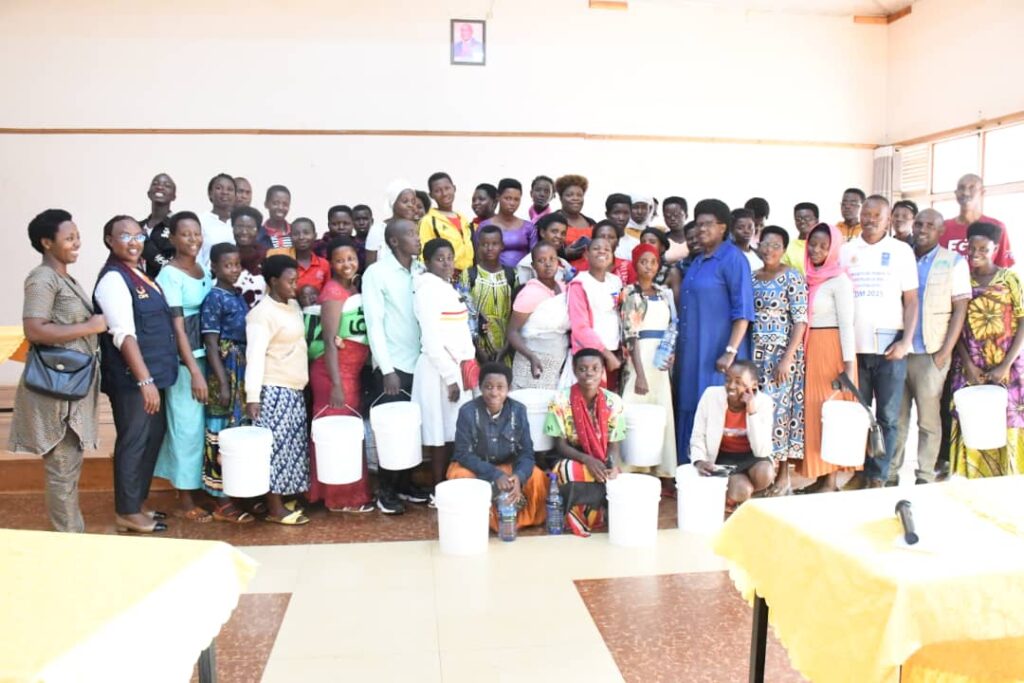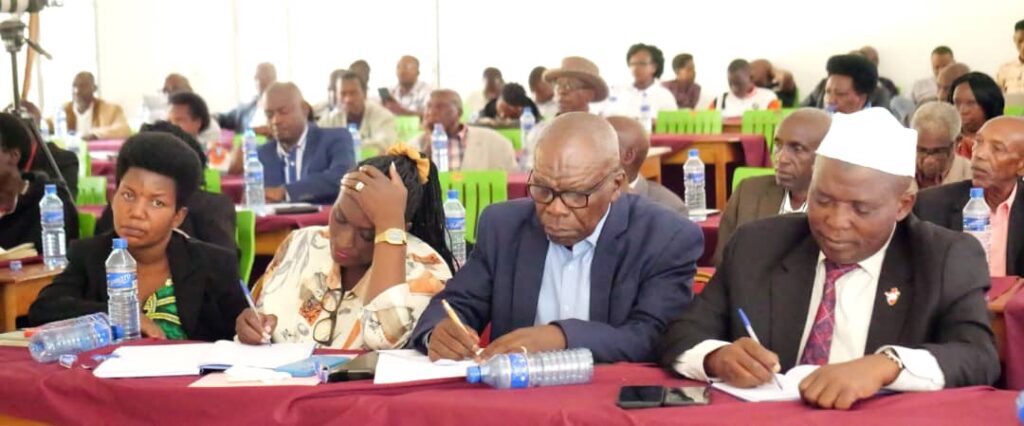
The Commission Vérité et Réconciliation (CVR) convened a meeting for retired state officials in Gitega on Tuesday, June 2, 2026. This significant gathering, organized by the CVR, aimed to leverage the unique perspectives and historical knowledge of those who have served the nation in various capacities. The primary objective of the gathering was to discuss the potential contributions of these former public servants to Burundi's national reconciliation process. The CVR organized the event to tap into the experience and insights of individuals who have previously served in government roles, recognizing their invaluable role in understanding the nation's past. Participants at the Gitega meeting explored various avenues through which their past experience could support ongoing efforts towards national unity and healing. The commission views these interactions as key for building a full understanding of historical events and fostering a path towards lasting peace.
Call for Living Memory
Pierre Claver Ndayicariye, who serves as the president of the Commission Vérité et Réconciliation (CVR), showed the vital role that elderly citizens can play in the reconciliation process for Burundians. Mr. Ndayicariye emphasized that retirees constitute a living memory of the nation, holding firsthand accounts and perspectives on significant periods in Burundi's history. According to Mr. Ndayicariye, past tragedies have profoundly impacted national unity, creating deep divisions that require careful and empathetic resolution. He insisted that no lasting reconciliation can be envisioned without the manifestation of truth and the recognition of victims' suffering. This commitment to truth-telling is central to the CVR's mandate.
Mr. Ndayicariye further stated that true reconciliation also demands the capacity to understand the pain of others and to regard it with the same sensitivity as one's own suffering. He noted the importance of empathy and mutual respect in overcoming historical grievances. He emphasized that the CVR seeks to leverage the "living memory" of retired officials, particularly those who have witnessed or participated in significant national events, to piece together historical narratives. This approach aims to provide a full understanding of the past, which the commission believes is key for healing divisions and fostering a shared future among all citizens of Burundi. The CVR's engagement with these former officials forms a cornerstone of its strategy to build a foundation for national cohesion, ensuring that the voices of those who lived through these periods are heard and documented. By integrating these personal experiences, the CVR hopes to construct a more complete and nuanced historical record.
CVR's Mandate and Scope
The Commission Vérité et Réconciliation (CVR) is tasked with investigating a broad historical period, encompassing events that shaped Burundi's past. This full mandate covers the years between 1885 and 2008, a timeframe designed to capture a full understanding of the nation's trajectory from the colonial era through significant post-independence challenges. Within this extensive period, the CVR recognizes several key moments of crisis that have significantly impacted the country and contributed to its complex social fabric. These include the assassination of Prince Louis Rwagasore in 1961, a key event that deeply affected the nascent nation, as well as the events of 1965, 1972, 1988, and 1991, each marking periods of significant unrest and conflict. The commission also focuses on the crisis of October 21, 1993, which marked another critical juncture in Burundi's history, leading to widespread violence and instability.
To gather diverse perspectives and build a complete narrative, the CVR is actively organizing a series of meetings with various segments of the Burundian population. These engagements aim to incorporate the experiences and testimonies of different community groups into the reconciliation process, ensuring that a wide range of voices are heard and considered. The CVR's work involves meticulously documenting these testimonies and cross-referencing them with other historical data to establish a factual basis for reconciliation. This inclusive approach is fundamental to the commission's goal of fostering national unity and preventing future conflicts. By systematically addressing the painful chapters of the past, the CVR endeavors to lay a solid foundation for a more peaceful and cohesive future for all Burundians.
Perspectives on Reconciliation
Retired officials were specifically asked to share their testimonies regarding events they experienced and observed during the different crises that marked Burundi's past. This direct engagement with their personal histories is considered vital for the truth-seeking process. Participants at the meeting stated that true reconciliation begins at the individual level. They emphasized that a person must first reconcile with themselves, accepting their own history and experiences, to better understand others and live in harmony with them. This personal journey of self-reconciliation is seen as a prerequisite for broader national healing.
One official noted that retirees constitute a living memory of the nation, possessing invaluable insights that can illuminate historical events and their impacts. These retired officials were encouraged to contribute their personal narratives to the ongoing reconciliation efforts, providing key context and firsthand accounts that might otherwise be lost. Their detailed recollections are instrumental in piecing together the complex tapestry of Burundi's history, offering perspectives that are often missing from official records. The CVR believes that by engaging with these elders, it can foster a deeper understanding of the past, paving the way for collective healing and a shared vision for the future. The contributions of these experienced individuals are considered indispensable to the commission's overarching mission of promoting truth, justice, and lasting reconciliation within Burundi.