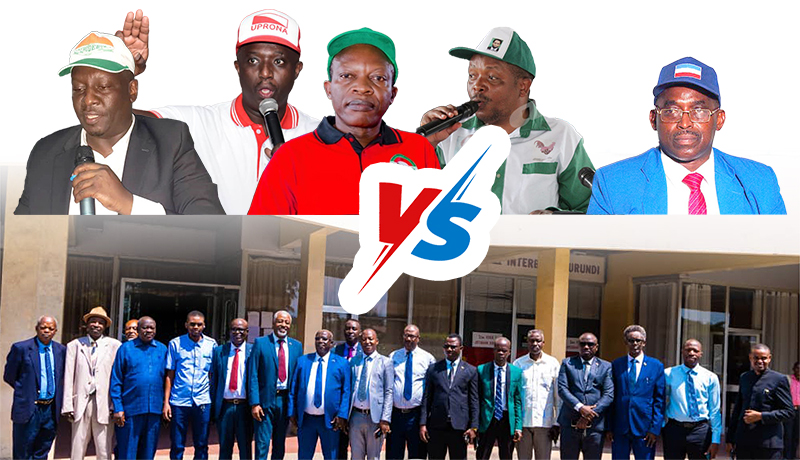
Burundi's political landscape is intensifying as the 2027 presidential election approaches, with key parties already positioning themselves for the upcoming contest. The political scene is actively heating up in the country, marked by significant statements and counter-statements from various political factions. Five distinct political parties, including the Union for National Progress (Uprona), Front for Democracy in Burundi (Sahwanya-Frodebu), Christian Democratic Party (CDP), Coalition for the Development of Burundi (Codebu), and National Congress for Liberty (CNL), are identified as significant players in the upcoming electoral cycle. These parties are expected to be central to the evolving political dynamics ahead of the 2027 vote, shaping the discourse and potentially influencing the outcomes. The early positioning of these parties shows the high stakes involved in the next presidential election, setting the stage for a period of intense political maneuvering and debate.
Opposition Demands Reforms
On May 8, 2026, five political parties issued a joint communiqué that marked a significant moment in the pre-election period, explicitly rejecting ongoing election preparations without prior political dialogue. This collective statement from Uprona, Sahwanya-Frodebu, CDP, Codebu, and CNL signaled a unified opposition front against the current electoral trajectory. The parties criticized the Independent National Electoral Commission (Ceni), asserting that it is unbalanced and incapable of guaranteeing transparent, credible, and peaceful elections. Their concerns centered on the impartiality and structural integrity of the body responsible for overseeing the elections, suggesting that its current composition would hinder the fairness of the process.
These five political entities are ranked behind the ruling CNDD-FDD in the 2025 legislative elections, indicating their position within the broader political spectrum. Despite their collective standing, they represent a significant voice advocating for electoral reform. Among these opposition parties, Uprona placed second in the 2025 legislative elections, securing 1.38% of the votes, making it the most prominent opposition party in terms of recent electoral performance. The National Congress for Liberty (CNL), the Christian Democratic Party (CDP), the Front for Democracy in Burundi (Sahwanya-Frodebu), and the Coalition for the Development of Burundi (Codebu) participated in the 2025 legislative elections as part of a grouped coalition known as Burundi Bwa Bose. This coalition demonstrated a willingness among these parties to unite for electoral purposes, a strategy that continues into their current collective demands.
The opposition parties collectively warned against any attempt to disrupt the electoral process, emphasizing their demand for reforms before proceeding with further election preparations. This warning showed their commitment to a legitimate electoral process, while simultaneously noting their deep reservations about the existing framework. Their stance notes a significant area of contention with the current electoral framework and the body overseeing it. The communiqué showed the opposition's call for fundamental changes to ensure what they describe as a fair and equitable electoral environment ahead of the 2027 presidential election. They argued that without these foundational changes, the legitimacy and acceptance of the election results would be severely compromised, potentially leading to instability. The parties reiterated that a truly democratic process hinges on a credible electoral commission and a fair legal framework, which they believe are currently lacking.
Government's Stance and Support
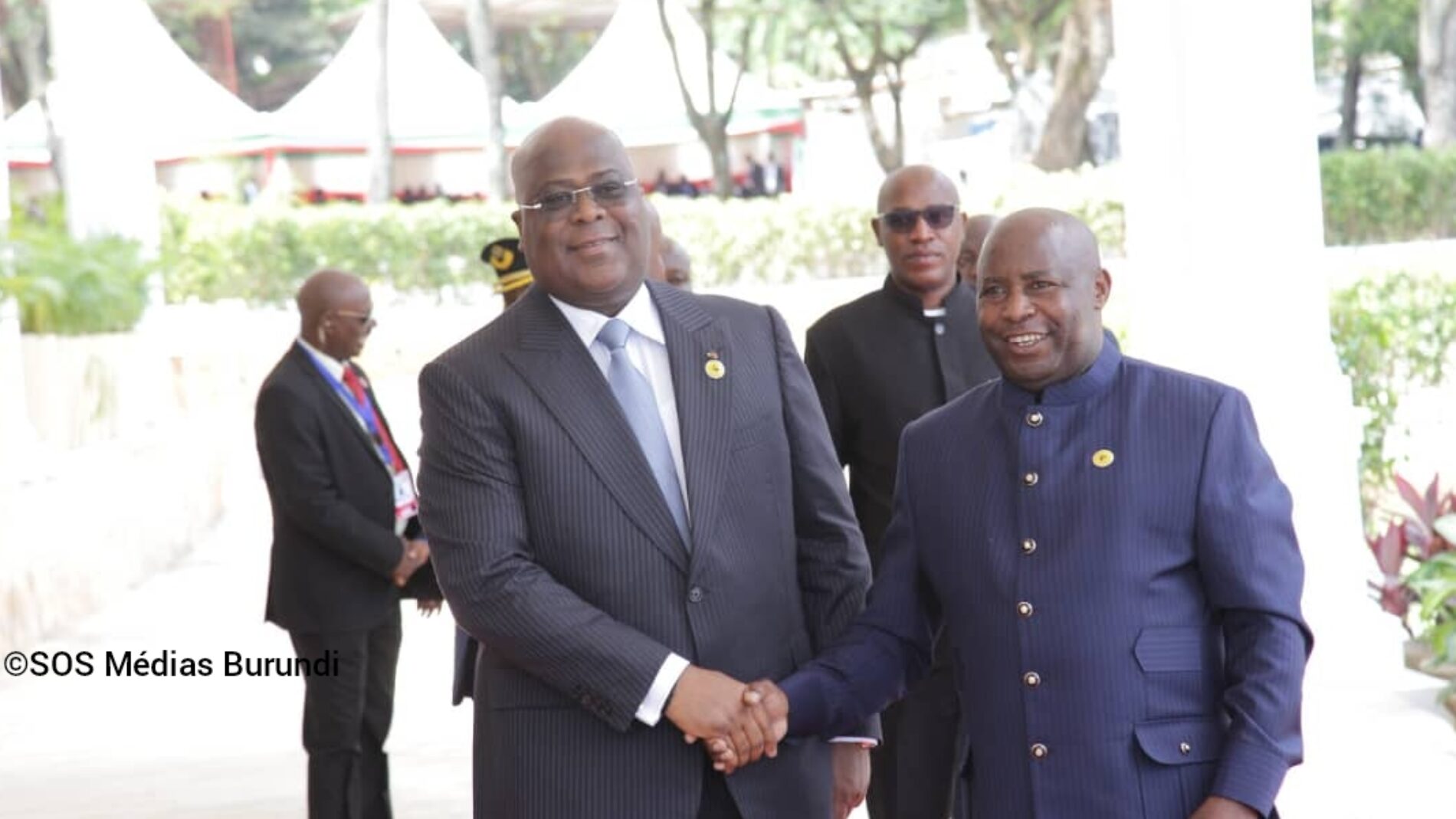
President Évariste Ndayishimiye responded swiftly to the opposition's communiqué on May 9, 2026, acknowledging the message from opposition parties and promising dialogue regarding their concerns. This presidential commitment to engagement offered a glimmer of hope for a negotiated path forward. A dialogue subsequently took place on May 15, 2026, at the Kiriri Presidential Palace, where discussions unfolded concerning the electoral process. This meeting represented a direct engagement between the head of state and the critical opposition voices, aiming to bridge the growing divide.
In a show of strong support for the current government and its approach to the upcoming elections, approximately twenty political parties aligned with the ruling CNDD-FDD published a communiqué on May 22, 2026. This extensive coalition of parties collectively expressed their unwavering backing for President Ndayishimiye and the ongoing preparations for the 2027 elections. Their statement served as a counterpoint to the opposition's demands, reaffirming confidence in the established electoral timeline and procedures. The communiqué specifically endorsed the current electoral framework and the institutions responsible for its implementation, including the Independent National Electoral Commission (Ceni), thereby directly challenging the opposition's criticisms of its balance and capability.
Among the political entities that form this supportive bloc are the CNDD-FDD itself, the National Liberation Front (FNL), Ranac, UPD-Zigamibanga, Palipe-Agakiza, and APDR-FPN-Imboneza. These parties represent a significant segment of Burundi's political landscape, publicly defending the integrity of the electoral process as it stands. Their collective voice aimed to project an image of unity and stability around the government's electoral agenda. This pro-government bloc firmly believes that the May 15 dialogue allowed all political actors, including the opposition, to openly express their concerns and proposals regarding the upcoming 2027 elections. They viewed the dialogue as a sufficient platform for engagement, suggesting that the government had fulfilled its commitment to listen to diverse viewpoints.
The statement issued by these allied parties also included a call for concerned institutions to apply recommendations derived from the various exchanges and dialogues. This nuanced position suggested a willingness to refine aspects of the process while maintaining the current framework, rather than undertaking a wholesale restructuring as demanded by the opposition. Their objective is to improve the conduct and outcome of the 2027 election, signaling a pragmatic approach to address any minor deficiencies without derailing the preparations. This bloc of parties further indicated that they anticipate congratulating the future winner of the 2027 elections, signaling their confidence in the legitimacy of the upcoming vote and showing their belief in the fairness of the process.
Their collective stance shows a clear divergence from the opposition's demands for fundamental reforms, instead advocating for the continuation of the present electoral trajectory with potential improvements. The declaration notes a clear division in perspectives on the path forward for Burundi's electoral cycle, with the government and its allies emphasizing stability and adherence to existing structures. This pro-government bloc issued a stern warning against any attempt to disrupt the electoral process, signaling a firm stance against any actions perceived as undermining the preparations for the 2027 elections. This warning served to reinforce the government's resolve to proceed with the elections as planned, under the existing framework, and to deter any potential unrest or boycotts.
Dialogue and Disappointment
On May 19, 2026, the five opposition parties, which include Uprona, Sahwanya-Frodebu, CDP, Codebu, and CNL, collectively issued a joint communiqué expressing their profound disappointment with the outcomes of the dialogue held on May 15. This immediate reaction showed the significant gap between the expectations of the opposition and the results of the discussions. The parties stated that the discussions did not adequately address their fundamental concerns regarding the electoral process, leading them to conclude that the dialogue had fallen short of its intended purpose. They outlined specific demands for reforms to ensure what they consider a fair and equitable electoral environment ahead of the 2027 presidential election, reiterating their initial position.
The opposition bloc explicitly demanded a complete restructuring of the Independent National Electoral Commission (Ceni) and its regional branches. They argued that the current composition of Ceni is not representative or inclusive, which they believe undermines the credibility of election preparations. This demand for a full overhaul went beyond mere adjustments, calling for a fundamental change in the electoral body's structure to ensure broader political representation and impartiality. Their communiqué noted the need for a revised structure that incorporates broader political representation to foster trust in the electoral body, which they view as a prerequisite for any credible election.
The five parties voiced strong criticism of certain provisions within the existing Electoral Code. They contended that these provisions could be exploited or are inherently biased, thus requiring significant amendments to guarantee a level playing field for all political actors. They also raised concerns regarding the role and independence of the Constitutional Court in the electoral process, suggesting that both require significant amendments to guarantee transparency and impartiality. The opposition argued that the court, as the ultimate arbiter of electoral disputes, must be seen as entirely independent to ensure fair adjudication. These criticisms show the opposition's view that the current legal and institutional frameworks are insufficient for conducting fair elections, and without these critical changes, the integrity of the 2027 elections would remain in question. Their disappointment indicated a continued impasse, with the opposition maintaining its call for substantial, rather than superficial, reforms.
In contrast to the opposition's disappointment, the pro-government bloc, comprising approximately twenty political parties aligned with the ruling CNDD-FDD, held a differing perspective. This bloc maintained that the May 15 dialogue at the Kiriri Presidential Palace allowed all political actors to openly express their concerns and proposals regarding the upcoming 2027 elections. They suggested that the dialogue served as a constructive platform for exchange, despite the opposition's subsequent negative assessment. This difference in interpretation of the dialogue's success noted the deep ideological and political chasm between the two main factions in Burundi's political landscape. The pro-government parties continued to advocate for stability and adherence to the current electoral calendar, emphasizing that the discussions had provided an adequate opportunity for all voices to be heard, even if not all demands were met.