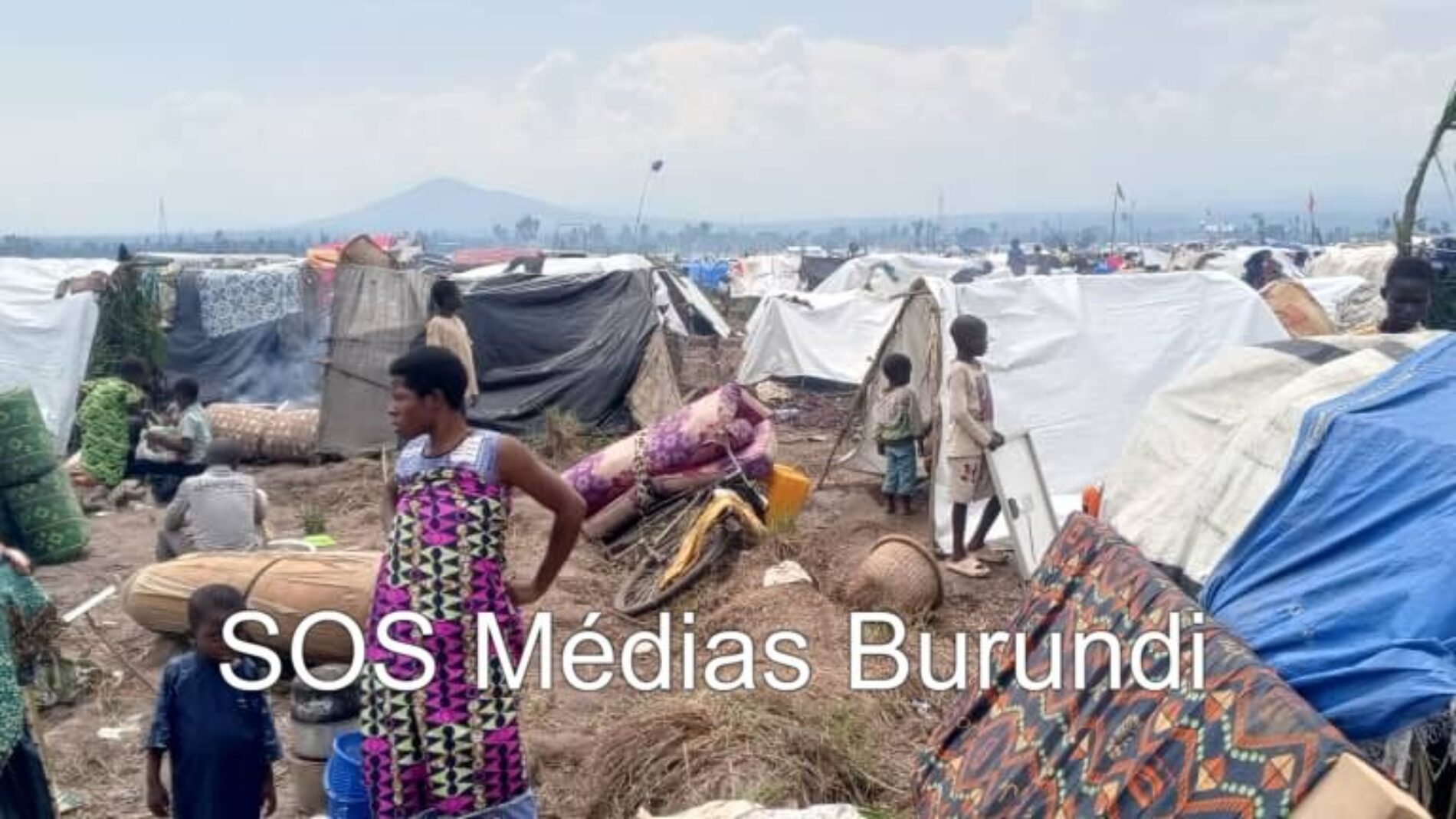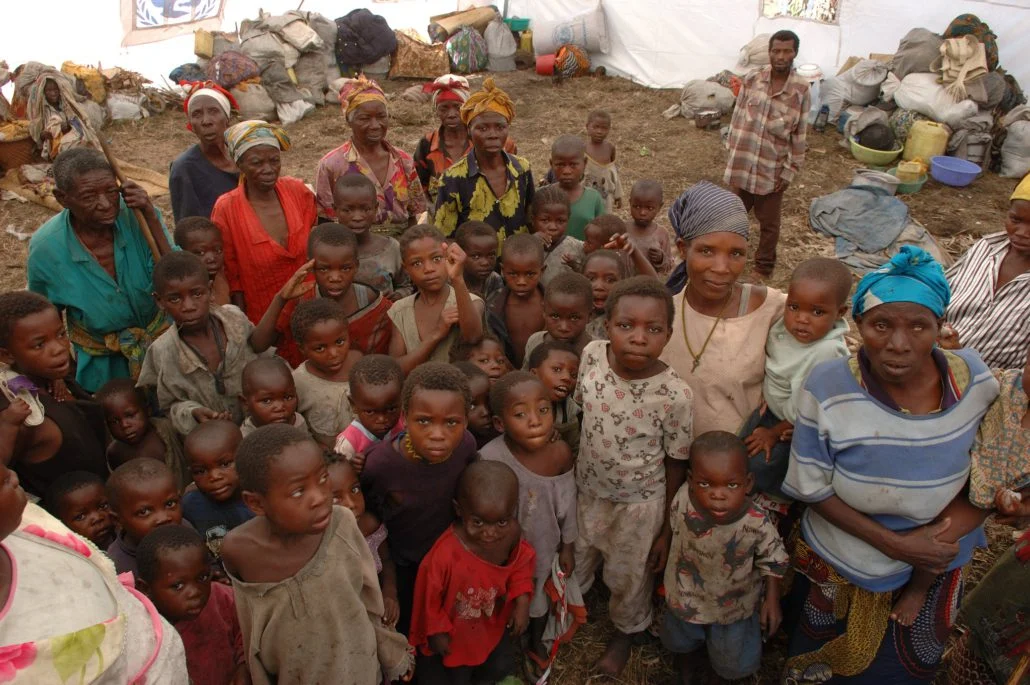
The Mixed Migration Centre reports that more than 1.1 million Congolese are currently spread across Africa. UNHCR data indicates that 153,560 Burundian refugees resided in Kenya, Uganda, Rwanda, and Tanzania as of 31 August. Meanwhile, internal displacement figures in Burundi reach more than 100,000 people. This total includes 91,000 refugees, with the remaining population classified as asylum-seekers. These statistics reflect the current movement of populations from the Democratic Republic of the Congo and Burundi into neighboring states. The UNHCR continues to monitor these figures as part of its ongoing regional aid and repatriation efforts for those displaced by conflict within the region.
Regional Conflict and Displacement
The M23 armed group emerged in 2012 from former members of the National Congress for the Defense of the People (CNDP) within the Democratic Republic of the Congo. This faction remains a central actor in the ongoing security dynamics affecting civilian populations. Addressing the needs of those fleeing violence, the UNHCR requested $47.2 million in funding as of December 2025 to aid displaced Burundians. This financial appeal aims to support humanitarian programs for individuals who have left their homes due to regional instability. The requested resources are intended to provide essential services to refugees and asylum-seekers currently residing outside Burundi. The agency continues to manage these requirements as part of its operations for the displaced population.
Support Services in Busuma
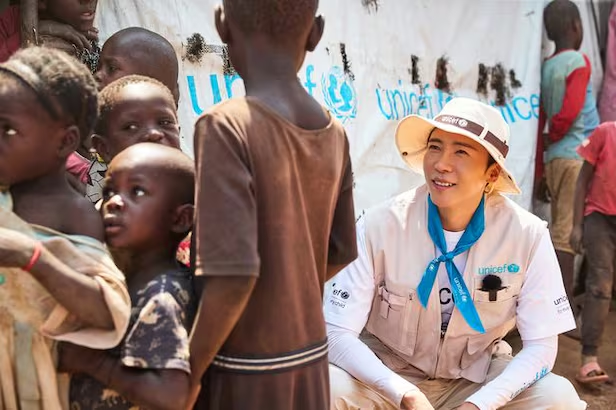
In Busuma, 890 people participated in awareness activities regarding protection services. These initiatives aim to inform displaced populations about available support and their rights within the region.
The UNHCR also completed 7,690 medical consultations to address health needs. This total includes services for 6,312 refugees and 1,378 residents living in the area.
Material assistance programs provide further relief to the displaced community. In Busuma, 30,000 Burundian Francs, equivalent to $10 USD, were distributed to each individual. Recipients also received essential food rations consisting of cereal, oil, and salt. These distributions function alongside the agency's broader health and protection operations to stabilize the living conditions of those affected by conflict.
Shelter and Voluntary Returns
UNHCR provided 325 shelters to 299 families to assist with housing needs. These units accommodate a total of 1,290 people who require stable living environments.
Separately, voluntary repatriation efforts for Congolese refugees continued throughout the year. As of 11 September, 2,084 Congolese refugees returned home through these programs. This recent movement brings the total number of voluntary returns to 18,232 people. The agency monitors these return figures as part of its ongoing operational mandate in the region.
Long Term Repatriation Trends
Voluntary repatriation efforts for Burundians have continued over an extended period. Data shows that since 2017, more than 185,000 Burundians have returned home. These individuals primarily traveled from Rwanda, Tanzania, Uganda, Kenya, and the Democratic Republic of the Congo. The UNHCR monitors these return figures as part of its ongoing operational mandate in the region. This movement of returnees reflects broader trends in the relocation of displaced populations over the last nine years. The agency continues to track these statistics to support the reintegration of those arriving back in Burundi. Official records emphasize these returns as a key component of the current efforts to manage the needs of people previously forced to live outside their home country.