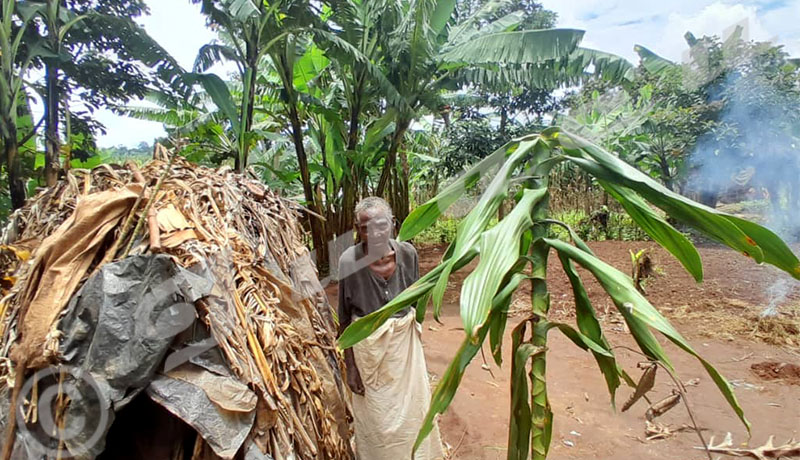
Commune Bugendana in Burundi's Gitega province is the subject of a report detailing significant developmental challenges. The analysis notes issues within the commune, focusing on factors impeding progress for its youth and women. Hundreds of Batwa families residing in Commune Bugendana experience extreme precariousness, living in homes constructed from straw and mud, according to the report. This situation shows the structural hurdles faced by vulnerable populations in the area.
Precarious Lives of the Batwa
The Batwa community residing on Mwurire hill faces significant challenges, including landlessness, limited access to education, and persistent prejudices. Some individuals within this community also lack essential menstrual hygiene products. Souavis Nahimana, a mother of five, described the core difficulty as "the emptiness in the plates linked to the absence of land to cultivate." Daily laborers in the fields earn between 3,000 and 4,000 Burundian francs per day.
Jean, a 24-year-old, abandoned school due to a lack of financial means and now sustains himself by cutting grass on private properties. Marceline Nzokwa, a widow and mother of seven, reported spending nights awake during rain because her straw house leaks. Adidja Nahimana affirmed that access to land for cultivation remains a major challenge for the Batwa community.
Many Batwa children discontinue their education due to insufficient food, clothing, or school supplies. Chanciella Igiraneza, 15 years old, left 4th grade primary school because her parents could not afford notebooks for her. Igiraneza stated, "My parents are unable to buy me notebooks because they are poor." She added, "I ask benefactors to provide me with notebooks, a uniform, and shoes. I loved going to school, but we lack everything at home." Igiraneza also noted, "We sell a pile of grass for 7,000 BIF. This allows us to help our parents and buy what every young girl needs. But, we would like to go back to school. Our place is in school." Agnès Muhimbare uses small pieces of pagne during her menstrual periods due to the high cost of sanitary pads, a practice that has led to infections.
Gendered Challenges and Economic Struggles
Women in Bugendana Commune are organizing into cooperatives and savings and credit associations to address economic difficulties. Chanella Ngendakumana noted the increase in unwanted pregnancies and school dropouts among young girls in the area. Ngendakumana encouraged young girls to "be strong to overcome all the challenges mentioned" and to "continue their studies and work hard to earn their own money."
Capitoline Kiyunzuguru described her experience after her husband left her eight years ago to remarry in Bujumbura. Kiyunzuguru stated, "Before, he traded in prohibited drinks called 'Kanyanga'. Then, he went to Bujumbura in search of work. After earning money, he remarried another woman. It has now been eight years since he last returned here. I take care of our children alone, covering their schooling and all other family needs, without any help." Kiyunzuguru emphasized the role of women in development, asserting that women "must understand that they are the pillars of development. When they unite, production increases. I encourage all those who have been abandoned by their husbands or who are going through difficult times to get back on their feet and start anew."
Espérance Ndizeye, 35, supports her family by selling sorghum beer, which covers most of their household needs. Ndizeye lamented the scarcity of Fomi chemical fertilizers, which led to poor maize production. She explained, "Last growing season, we waited for chemical fertilizers in vain, even though we had paid for them over a year ago. As a result, maize production was very poor this season." With urea fertilizer, Ndizeye reported that she could typically harvest three or four 100kg bags of maize; however, this season, she did not fill one bag. Ndizeye added, "This season, I couldn't even fill one bag. We urge the officials in this sector to send us urea on time so we can produce enough and have something to eat. Otherwise, we risk dying of hunger."
Caroline Munezero, a farmer, harvested only four bags of maize from a field where she usually obtains double that amount, attributing the reduced yield to insufficient fertilizers. Munezero stated, "I heard on the radio that the problem is national. I would like the authorities to take action, as agriculture is a vital sector: the majority of Burundians depend on it for food and livelihoods." Stellie Nshimirimana attributed an increase in suicides in her locality to family conflicts. Nshimirimana recounted her own experience, stating, "My husband wasted family resources. When I tried to stop him, his family accused me of not being a good wife. After 17 years of marriage, they finally decided to kick me out with my four children. He was working as a mason in Bujumbura, where he decided to remarry. That's when his family evicted me from the home. This situation hindered our progress, even though we were on a good path to development." She urged authorities to "multiply awareness campaigns for men. Some consume highly alcoholic beverages, which pushes them to adopt destructive behaviors within families. Authorities must get involved, because a commune cannot develop in a context of family conflicts. Development begins first within households before being reflected at the commune level."
Broken Promises and Systemic Failures
Peniella Bikorimana, a resident, requested assistance for sanitary pads and school supplies. "We need help," Bikorimana stated. "The government should support us. We also ask benefactors to provide us with sanitary towels, at least washable ones. That would be of great help to us."
Batwa residents in Bugendana Commune have reported a recurring pattern of unfulfilled promises. They claim to be registered annually by authorities with assurances of receiving houses, land, and livestock. However, these registrations have not resulted in any tangible improvements or concrete changes to their living conditions. The community continues to face the same challenges despite these repeated pledges.
Community Resilience and Calls for Change
Capitoline Kiyunzuguru, a farmer and mother of six, noted that abandonment by husbands is a recurring phenomenon hindering family development. Kiyunzuguru recounted her own experience, stating, "Before, he traded in prohibited drinks called 'Kanyanga'. Then, he went to Bujumbura in search of work. After earning money, he remarried another woman. It has now been eight years since he last returned here. I take care of our children alone, covering their schooling and all other family needs, without any help." Kiyunzuguru emphasized women's key role, asserting, "Women must understand that they are the pillars of development. When they unite, production increases. I encourage all those who have been abandoned by their husbands or who are going through difficult times to get back on their feet and start anew."
Stellie Nshimirimana, a resident, noted that women are responding to calls to take charge and contribute to household economies, despite personal challenges. Nshimirimana herself was expelled from her home by her husband's family after 17 years of marriage when he remarried in Bujumbura. She explained, "My husband wasted family resources. When I tried to stop him, his family accused me of not being a good wife. After 17 years of marriage, they finally decided to kick me out with my four children. He was working as a mason in Bujumbura, where he decided to remarry. It was at that moment that his family evicted me from the home." She added, "This situation hindered our progress even though we were on a good path to development." A bundle of grass can be sold by young Batwa for 7,000 BIF. Nshimirimana urged authorities to "multiply awareness campaigns for men. Some consume highly alcoholic beverages, which pushes them to adopt destructive behaviors within families."