Burundian prisons currently hold nearly three times their official capacity, a situation that has prompted the introduction of community service initiatives to reduce overcrowding. Data from the World Prison Brief indicates that as of 31 July 2026, Burundi had 12,228 detainees held in facilities designed for 4,294 places. This figure reflects a 285% occupancy rate across the national prison system. Officials are now implementing alternative sentencing measures to address the strain on these detention centers. The disparity between the designed capacity and the actual number of individuals held illustrates the significant pressure currently placed on the correctional infrastructure of the nation.
Scale of Prison Crisis
Ligue Iteka recorded 13,063 detainees across eleven prisons and two juvenile facilities between June 2025 and May 2026. This data encompasses the total population held within those specific institutions during the stated period. The findings from Ligue Iteka provide a full view of the density within these facilities, illustrating the operational challenges faced by prison administrators as they manage the daily needs of the inmate population.
Among the 13,063 individuals documented by Ligue Iteka, 6,093 were held in pre-trial detention. These figures provide a detailed breakdown of the incarcerated population, noting the volume of detainees awaiting trial within the national system. The statistics illustrate the distribution of prisoners across facilities managed by the state, focusing on the specific number of individuals who had not yet received a legal judgment during the survey timeframe. The high proportion of pre-trial detainees contributes significantly to the overall population counts observed in the facilities monitored by Ligue Iteka.
Government Acknowledgment and Response
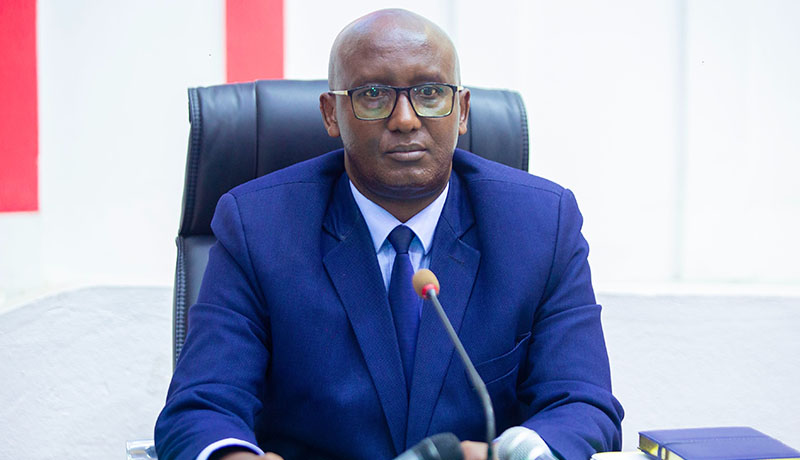
Minister of Justice Alfred Ahingejeje addressed the national parliament in May 2026 to acknowledge the severity of prison overcrowding within the country. He described the current state of detention facilities as alarming, citing the strain placed on the correctional system by the high number of incarcerated individuals. His address to the parliament served to highlight the urgency of the situation and the government's recognition of the need for systemic adjustments to manage the prison population effectively.
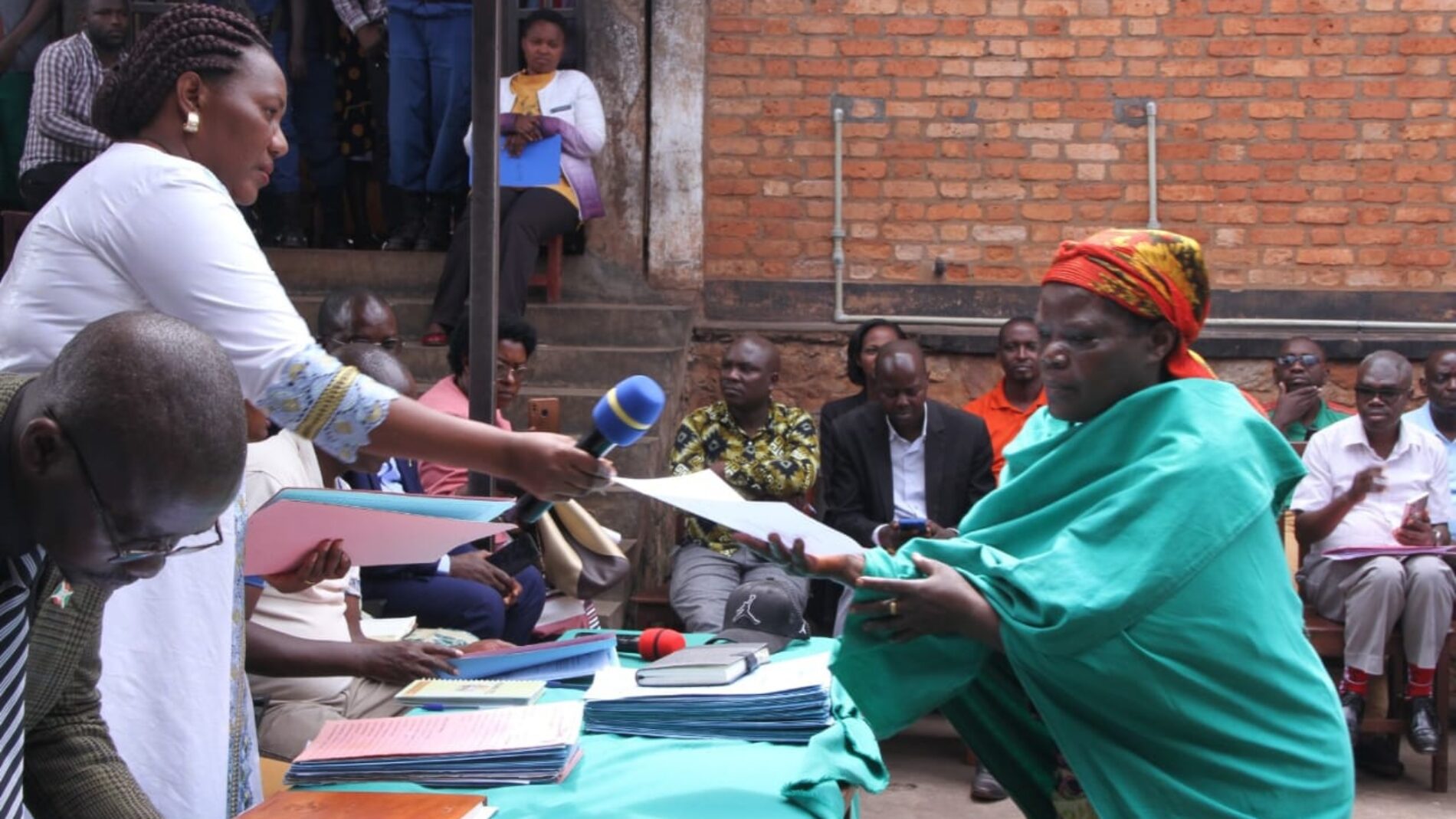
Prosecutor General Rose Nkorerimana visited Mbuye, located in Muramvya commune, on 22 October 2026. During her visit, she observed individuals who had been sentenced to perform community service as part of the government's alternative sentencing program. This visit allowed the Prosecutor General to monitor the practical application of these new measures in the field.
Authorities have granted provisional release to 647 people charged with minor offenses across Burundi. This initiative aims to reduce the population density within the national prison system by diverting individuals who do not require secure detention. The program allows these individuals to serve their sentences through labor within their local communities rather than remaining in overcrowded facilities. By shifting the focus toward community-based service for minor offenses, the government seeks to alleviate the immediate pressure on the physical capacity of the prison system.