Farmers in Burundi's northern Butanyerera province are reporting a significantly lower bean harvest for the B 2026 agricultural season, raising concerns about potential food insecurity. The reduced yields are particularly noticeable in Kiremba commune, where agricultural output has seen a sharp decline. This development comes amid broader challenges facing the country's agricultural sector, which relies heavily on staple crops like beans for both sustenance and income. The implications of this diminished harvest extend beyond individual farms, threatening the food supply for many households in the region.
Harvest Plummets, Prices Rise
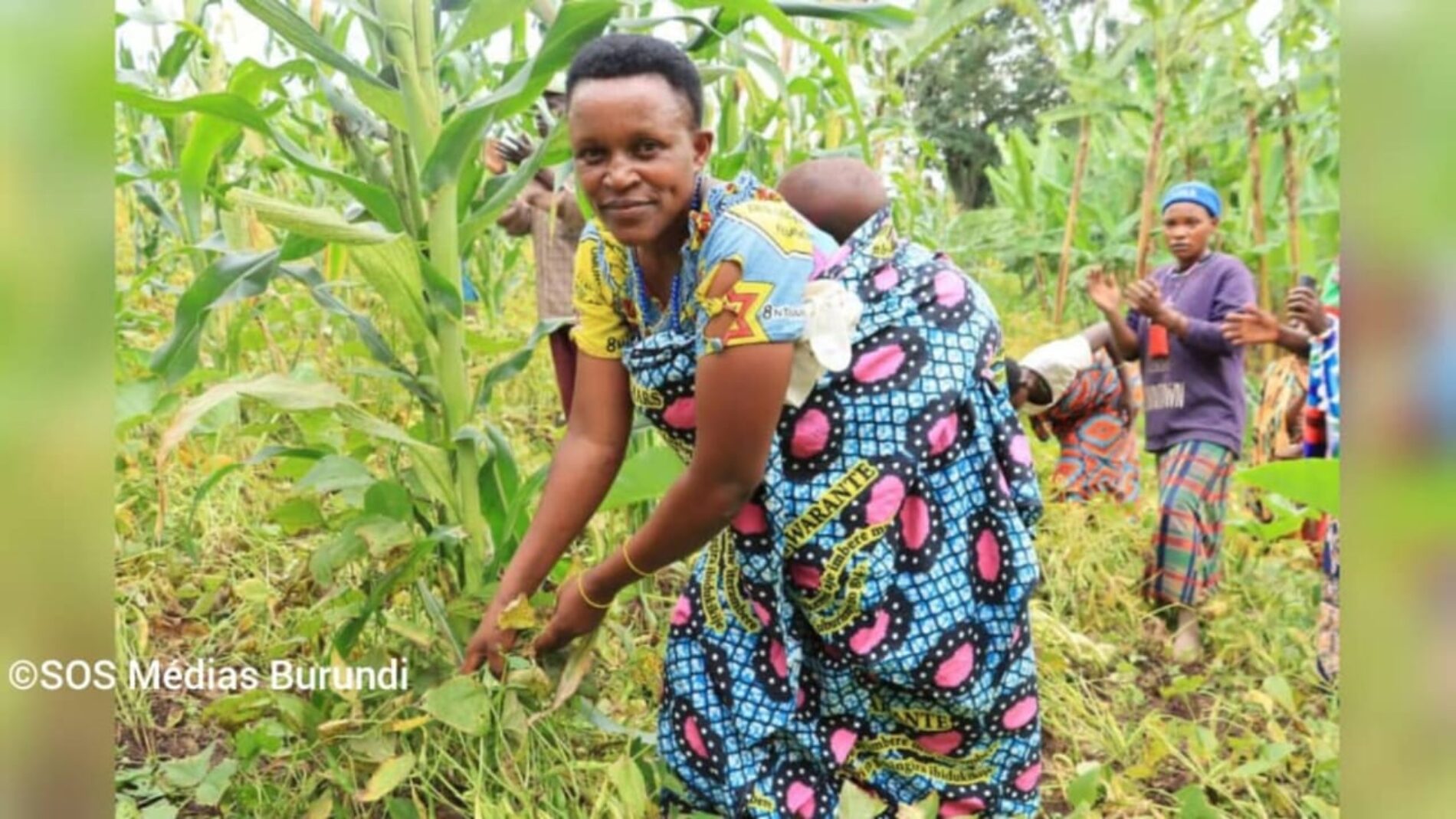
The majority of farmers have described the production as "low" and "disappointing," using the French terms 'faible' and 'décevante' to express their dismay. This widespread sentiment shows the severity of the situation across numerous agricultural plots. Nikwigize, a farmer in Kiremba, reported harvesting only 150 kilograms of beans this year, a significant drop from his usual yield of approximately 300 kilograms per season. This dramatic reduction in his personal output mirrors the struggles faced by many of his neighbors and fellow farmers in the commune. The reduced harvest has coincided with a substantial increase in market prices. A kilogram of beans currently sells for 2,500 Burundian francs. This represents a notable rise compared to previous harvest periods, when popular bean varieties like Kinure typically cost around 1,800 francs per kilogram. The elevated prices reflect the scarcity of the staple crop in local markets, making it increasingly difficult for ordinary citizens to afford this essential food item. This price surge further exacerbates the economic strain on families, particularly those with limited incomes.
Fertilizer Scarcity Blamed
Producers in Burundi attribute the significant drop in bean yields primarily to a shortage of fertilizer, specifically from the company Fertilisation Organo-Minéraux Industriels (FOMI). This critical lack of agricultural inputs has severely hampered crop development. The difficulties farmers are experiencing have emerged after two consecutive agricultural seasons characterized by insufficient distribution of essential agricultural inputs. This prolonged scarcity has directly impacted crop development and overall output, leading to a cumulative negative effect on soil fertility and plant growth. The reported decline in yields, particularly in areas like Kiremba commune, is seen by farmers as a direct consequence of the limited access to necessary soil nutrients. The situation points to a systemic challenge in the supply chain for agricultural resources, affecting the productivity of staple crops key for local food security. Farmers emphasize that adequate and timely access to fertilizers is non-negotiable for achieving viable harvests.
Farmers' Fears and Calls
Burundian farmers have expressed profound concerns regarding a potential deterioration of their living conditions, anticipating a continued rise in food prices. The diminished bean harvest, attributed to critical fertilizer shortages, is expected to exacerbate economic hardship for agricultural communities, many of whom rely solely on their harvests for income and sustenance. The combination of lower yields and higher market prices for their own produce creates a challenging economic environment, potentially pushing more families into poverty. This situation also threatens the overall food security of the region, as a staple food becomes less available and more expensive.
In response to these pressing challenges, farmers are calling on the government and its partners within the agricultural sector to ensure the timely availability of fertilizer. They emphasize the necessity of these inputs being accessible before the commencement of upcoming growing seasons to prevent further declines in crop yields and mitigate the risk of widespread food insecurity. Farmers believe that proactive measures are essential to avert a deepening crisis and ensure that future harvests can meet the needs of the population. They stress that without immediate intervention, the agricultural sector, and by extension the nation's food supply, will continue to face severe instability.