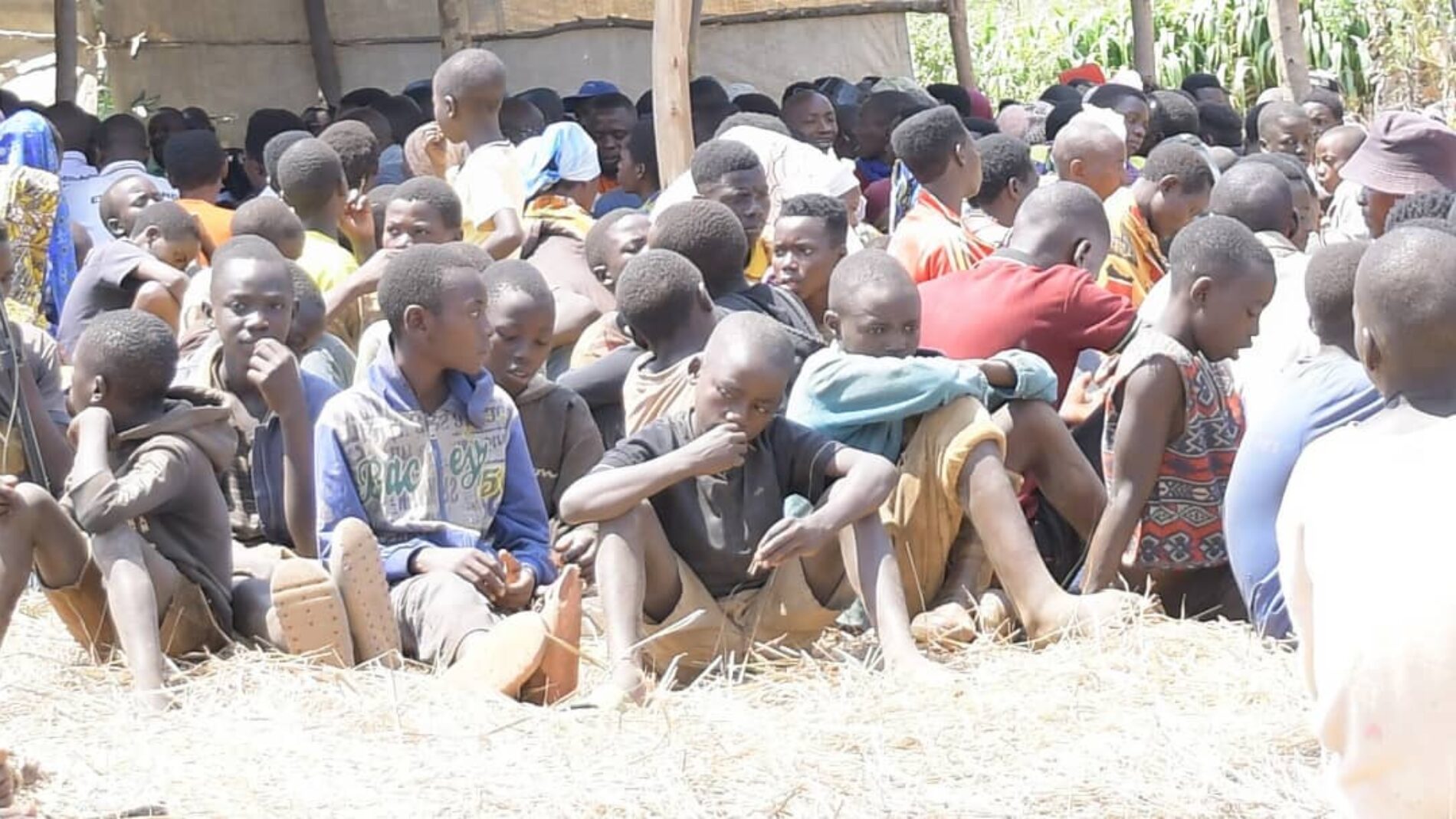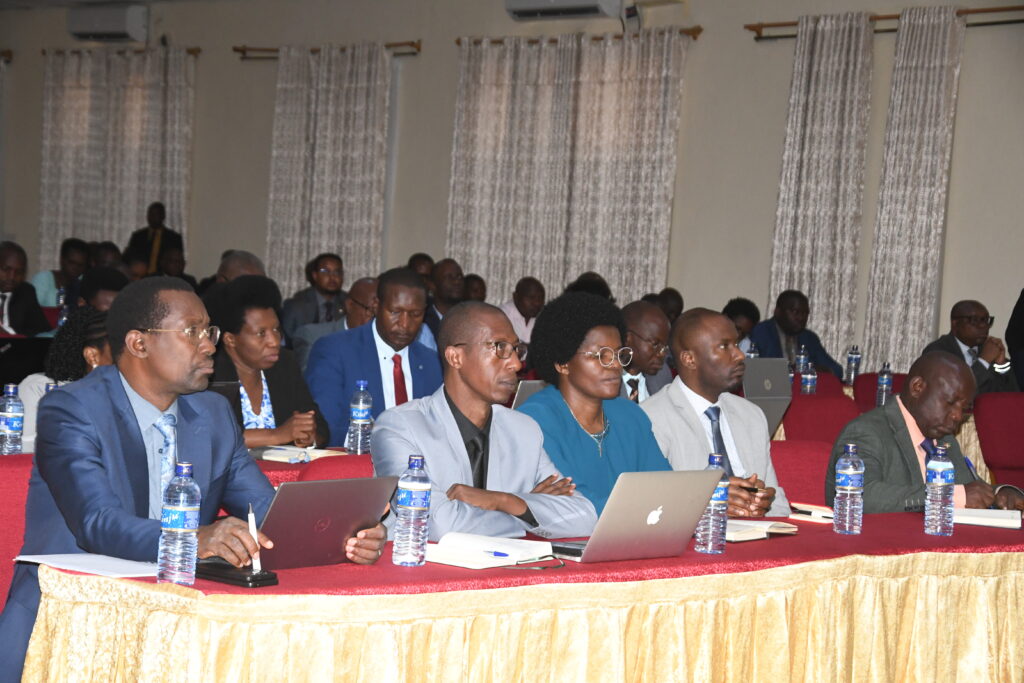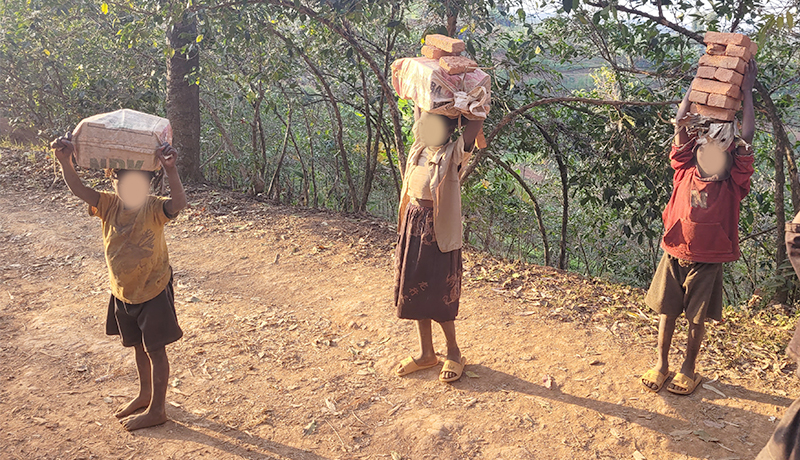
The National Federation of Associations Engaged in the Field of Childhood in Burundi (FENADEB) has expressed profound concern over persistent violations of children's rights across the country. FENADEB noted various forms of these violations, noting that despite significant legal progress and the establishment of protective frameworks, children continue to face substantial challenges in their daily lives. Other worrying violations reported by the federation include the alarming prevalence of early marriages, the widespread economic exploitation of children, and a high rate of school dropouts, which collectively hinder their development and future prospects. Additionally, the organization pointed to the serious issues of unwanted pregnancies among young girls and the considerable difficulties children encounter when attempting to access essential basic social services in Burundi. These challenges underline a significant gap between legislative intent and the lived reality for many young Burundians.
Persistent Violations Detailed
Violations of children's rights in Burundi continue to manifest in various forms, according to the full report from FENADEB. The organization specifically noted insufficient access to drinking water as a persistent and critical issue affecting children's health and well-being. This lack of safe water sources often leads to waterborne diseases and impacts school attendance, particularly for girls tasked with fetching water. Additionally, children in Burundi frequently lack adequate sanitation infrastructure, contributing significantly to ongoing public health challenges and maintaining a cycle of poverty and disease in many communities. FENADEB also showed the widespread problem of insufficient hygiene as a critical area where children's rights are being violated, further exacerbating health risks. These issues collectively represent significant barriers to the well-being, healthy development, and overall dignity of children across the country, despite existing legal frameworks designed to protect them. The federation's findings paint a stark picture of the daily struggles faced by countless children.
FENADEB's observations extend beyond these basic needs, detailing other serious violations that undermine children's fundamental rights. The prevalence of early marriages, often driven by cultural practices and economic hardship, robs children, particularly girls, of their childhood and educational opportunities. Economic exploitation of children, forcing them into labor instead of schooling, remains a widespread issue, trapping them in cycles of poverty. The high rate of school dropouts is a direct consequence of these and other socio-economic factors, depriving children of their right to education. The issue of unwanted pregnancies among young girls not only poses severe health risks but also leads to social stigma and limited future prospects. The difficulties children face in accessing basic social services, such as healthcare and protection services, compound their vulnerability and highlight systemic failures in ensuring their welfare.
Legal Framework vs. Reality
Burundi has indeed established a strong legal framework aimed at safeguarding children's rights, according to the National Federation of Associations Engaged in the Field of Childhood in Burundi (FENADEB). This strong legal commitment is evidenced by the clear provisions outlined in the Constitution of the Republic of 2018, which enshrines fundamental rights for all citizens, including children. The full Code of Persons and Family provides specific legal protections and regulations concerning children's welfare, inheritance, and family life. The State's dedication to promoting children's rights is further demonstrated through its ratification of several key regional and international instruments, signaling its commitment to global standards for child protection. These legal and regulatory measures collectively reflect the government's stated intention to protect and advance the well-being of children across the nation, providing a strong foundation for their rights.
Despite these commendable legislative efforts and the existence of detailed legal frameworks, FENADEB indicates that the reality on the ground often falls significantly short of the protections outlined in these documents, leading to persistent and widespread violations. The organization emphasizes the critical gap between established laws and their practical implementation in daily life for many children throughout Burundi. This disparity suggests that while the legal instruments are in place, challenges in enforcement, resource allocation, and public awareness continue to impede their effectiveness in truly safeguarding children's rights.
Commemorating African Child Day
The National Federation of Associations Engaged in the Field of Childhood in Burundi (FENADEB) issued a full statement on Tuesday, June 16, coinciding with the annual observance of African Child Day. African Child Day serves as an important annual commemoration of the extraordinary courage displayed by the children of Soweto, South Africa, who demonstrated immense bravery on June 16, 1976. That key day marked a significant moment in history when these children protested against an oppressive education system, demanding their fundamental right to quality education and an end to discrimination. FENADEB's statement on this day serves as a poignant reminder that the struggle for children's rights, though having made progress, continues in many parts of the continent, including Burundi, necessitating ongoing vigilance and advocacy.