A significant project is currently underway in Commune Ngozi, located within the Province de Butanyerera, Burundi, specifically designed to address a critical shortage of school desks. This initiative is a direct response to the pressing need for improved educational infrastructure in the region. Approximately 7,000 desks are required in the commune for all students to learn in suitable conditions, noting the scale of the challenge being tackled. The overall aim of the project is to enhance the learning environment for students across the commune by ensuring they have appropriate and functional seating.
Desk Manufacturing Progress
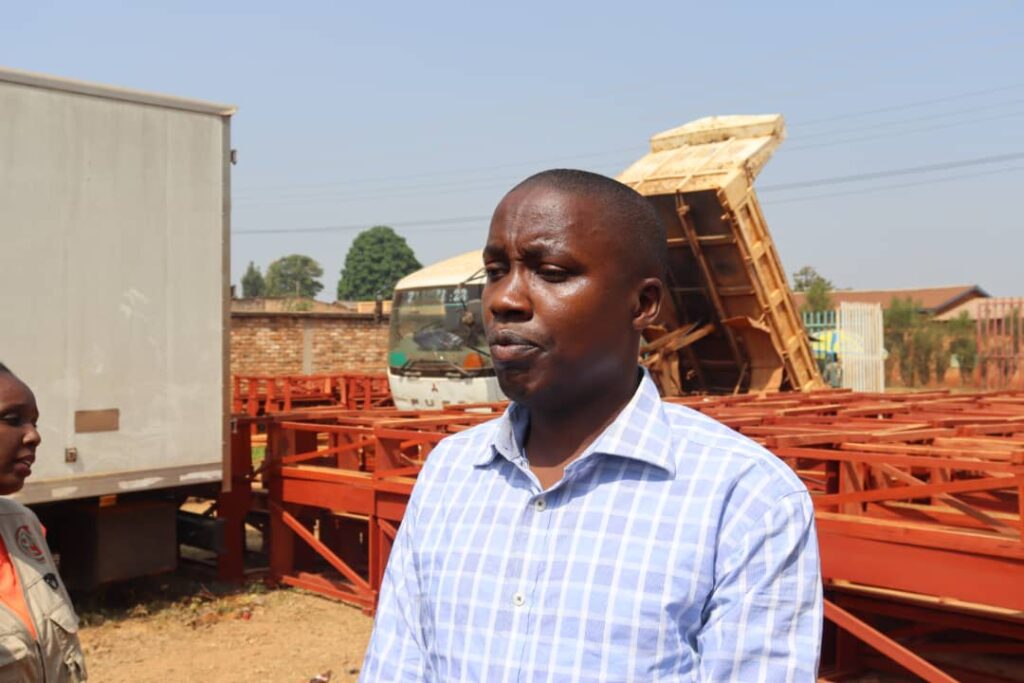
The project to mitigate the desk shortage is being implemented in phases, demonstrating a structured approach to addressing the educational infrastructure deficit. In the initial phase of the project, a public contract facilitated the fabrication of 266 desks. These desks have since been successfully received and subsequently distributed to various schools within Commune Ngozi, providing immediate relief to some of the most affected institutions. Following this successful first stage, the second phase of the initiative has seen the manufacturing of 799 additional desks. These newly produced desks are currently awaiting reception and will be distributed to schools in the near future, further contributing to the alleviation of the identified shortage. This ongoing effort aims to mitigate the identified shortage of educational infrastructure in the commune, providing students with improved learning conditions. The sequential distribution of these desks reflects a structured approach to addressing the pressing needs across the educational institutions, ensuring a steady supply of new furniture.
Addressing the Need
The commitment to resolving the desk shortage is also enshrined in local planning and budgetary documents. The Annual Work and Budget Plan (PTBA) for Commune Ngozi includes specific provisions for funding the fabrication of school desks, according to official documents. This dedicated allocation within the PTBA shows the commune's recognition of the problem and its proactive measures to address it. This financial commitment within the PTBA ensures a dedicated resource stream for the continued production of desks, aiming to provide all students in the commune with appropriate learning conditions. This pre-planned budgetary measure is central to the strategy for improving educational facilities across Commune Ngozi, ensuring that financial resources are consistently available for this vital undertaking.
Government Program Rationale
Beyond local initiatives, the project is also part of a broader national strategy. The government of Burundi recently launched a program to manufacture school desks utilizing wood sourced from state forest plantations. This national program aims to both valorize wood from mature public forest plantations and simultaneously address educational infrastructure needs across the country. As part of this government program, specifically targeting Commune Ngozi, 1,700 desks are scheduled for manufacture. This significant production is intended to be completed before the commencement of the 2026-2027 school year, providing a clear timeline for the delivery of these essential educational resources. The initiative effectively connects sustainable resource utilization with critical educational infrastructure development, showcasing a synergistic approach to national development.
Official Commitment
The government of Burundi's commitment to improving educational conditions is evident through its direct involvement and financial backing. The recently initiated program for the manufacture of school desks, which utilizes wood from state forest plantations, is a cornerstone of this commitment. To support this initiative specifically within Commune Ngozi, funds transferred by the state to the commune's account will enable the fabrication of the aforementioned 1,700 desks. These desks are slated for distribution across all zones within Commune Ngozi, with allocations based on specific local requirements and the most urgent needs identified by educational authorities. This ensures that the distribution is equitable and targeted, maximizing the impact of the government's investment in student welfare and educational advancement.