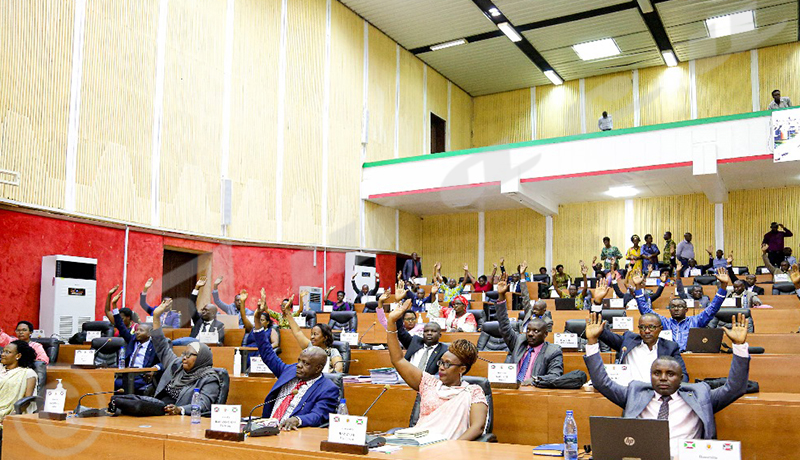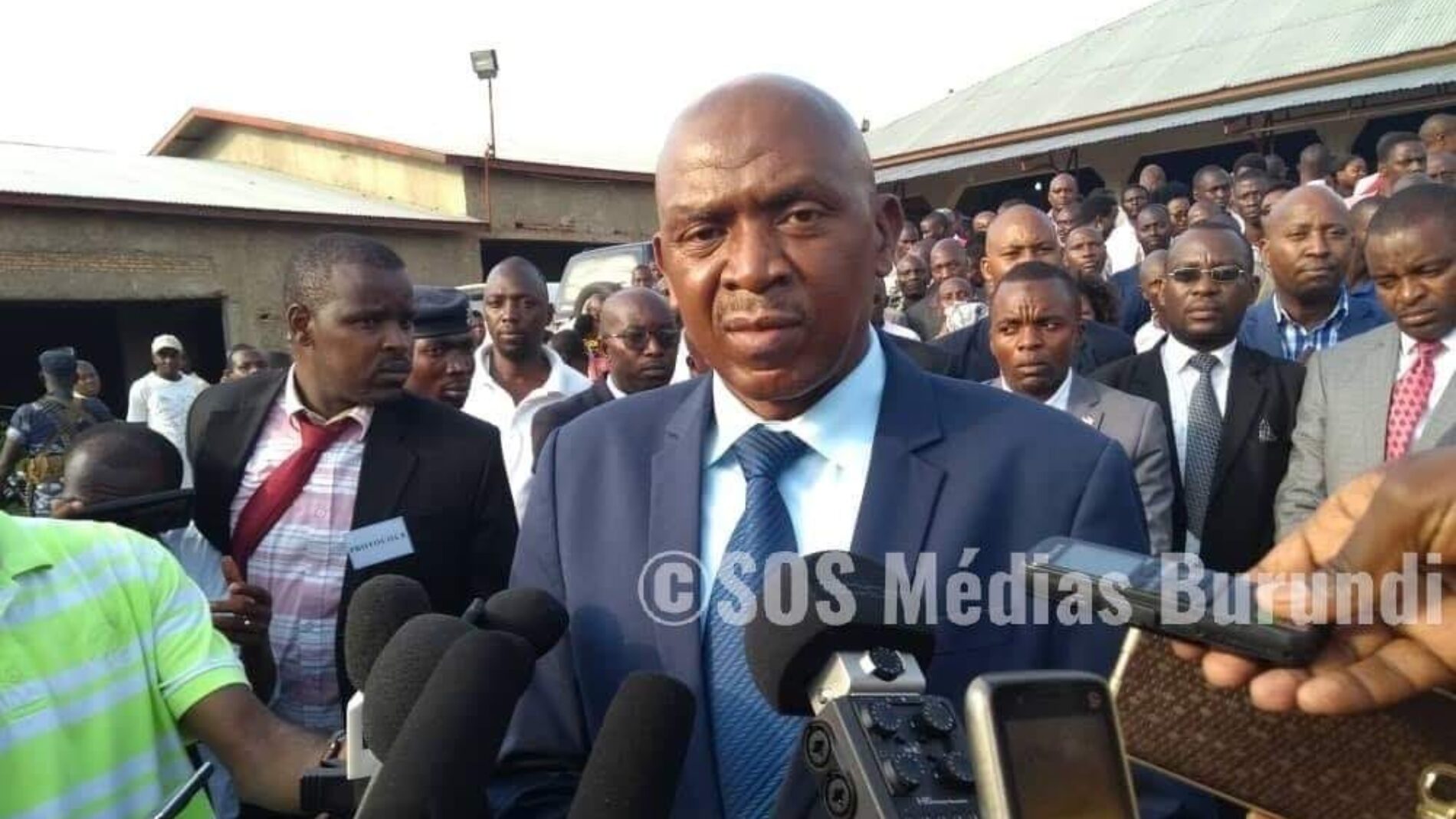
Rumonge commune in Burundi has recorded over 4,000 land-related cases before the Truth and Reconciliation Commission (CVR), making it the first commune in the country to reach this figure. This unprecedented volume of claims shows significant and deeply entrenched land disputes within the region. Local residents are now urgently demanding a full land summit to address these complex issues, which they increasingly link to broader societal concerns, including persistent education woes. The CVR's mandate specifically includes investigating human rights violations committed between 1972 and 2008 in Burundi, with many of the land disputes in Rumonge often stemming directly from these historical conflicts and forced displacements. The sheer number of cases notes the widespread nature of the grievances and the urgent need for resolution.
Deep Roots of Land Disputes
Many participants at recent public discussions have strongly suggested holding general states on land issues, arguing that the origins of these widespread disputes in Rumonge trace back to a critical period in 1972. In that year, over half of Rumonge's population was tragically forced into exile, leading to the widespread occupation of their ancestral lands by others. Conflicts surrounding 'paysannats' lands are currently observed in Rumonge, adding another layer of complexity to the land tenure system. These 'paysannats' lands, often associated with agricultural development projects initiated by the state, are a significant source of ongoing contention and legal battles among residents. The historical displacement and subsequent occupation of land in 1972 are frequently cited by community members as foundational to the current, highly complex and volatile land situation in the commune, necessitating a deep dive into historical injustices.
Economic Pressures and Rents
The economic landscape of Rumonge is also shaped by agricultural endeavors. The Société régionale de développement (SRD) of Rumonge initiated the cultivation of extensive palm oil blocks in 1984, establishing a significant agricultural presence in the area that continues to impact local land use. Currently, the Office de l’huile de palme (OHP) mandates an annual rent of 700,000 FBu for these palm fields, a substantial sum for many local farmers. This rent collection commenced at the start of 2026, introducing a new financial obligation for those leasing the land. Payments made after July 1, 2026, are subject to a 5% penalty, adding considerable financial pressure on those cultivating these fields and contributing to the economic strain felt by many families in the commune.
Education Concerns Surface
Rumonge commune is experiencing significant educational challenges, as evidenced by its consistently low results in national competitions and state exams. This academic underperformance has become a profound concern for residents, who increasingly link it to the broader socio-economic pressures stemming from unresolved land disputes and the general instability in the region. The difficulties faced by students in achieving satisfactory educational outcomes are seen by many as another direct consequence of the instability, lack of resources, and historical grievances prevalent in the commune. Local authorities and community leaders are reportedly exploring various ways to address these educational shortcomings, though specific initiatives have yet to be detailed publicly. The issue of declining educational standards adds another critical layer of complexity to the commune's existing social and economic struggles, impacting the future prospects of its youth.
Call for Reconciliation and Action
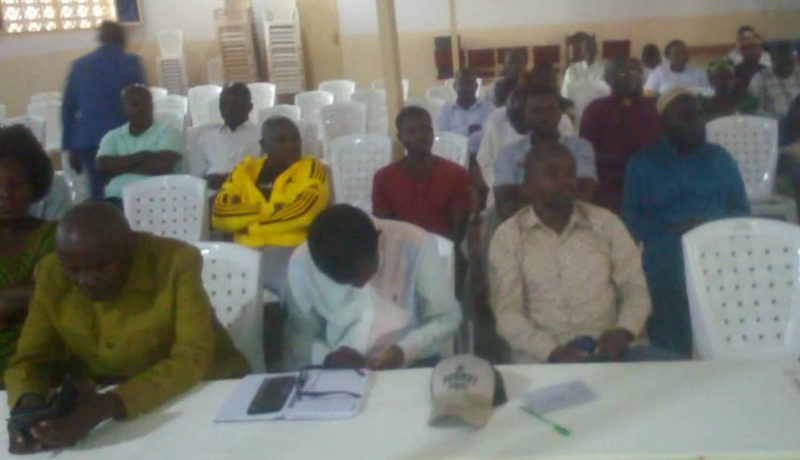
A key meeting of the Association of Natives of Rumonge Commune (Assonaru) was held on July 11, 2026. This significant gathering brought together members to discuss the ongoing land conflicts and the pressing educational challenges facing the commune. Participants called for a full and integrated approach to address both the historical grievances and the current socio-economic pressures that collectively contribute to the instability in Rumonge. The association emphasized the critical need for constructive dialogue, genuine reconciliation, and transparent processes to resolve the deeply rooted issues affecting the community's development and the future of its youth. Discussions at the meeting noted the urgency of finding sustainable and equitable solutions to both the widespread land disputes and the alarming decline in educational standards, showing the interconnectedness of these challenges for the commune's future.