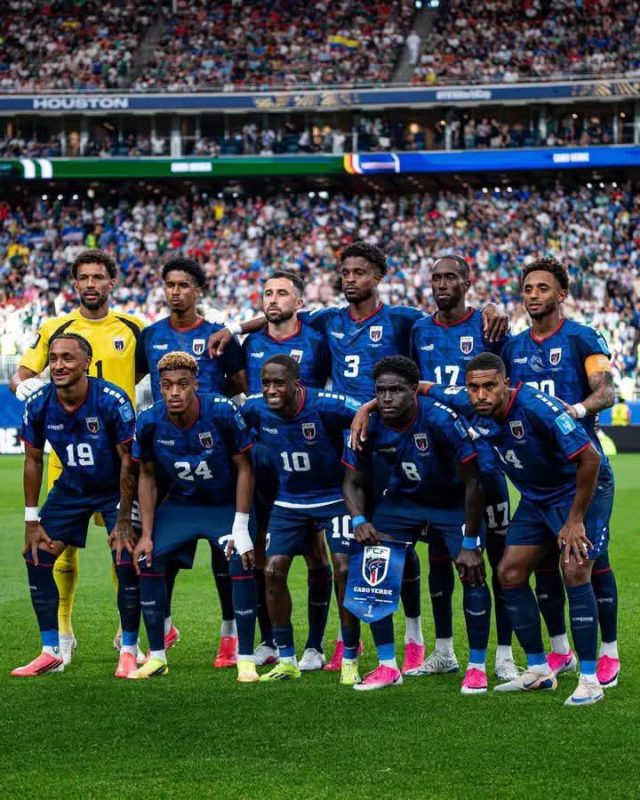
Burundi, a nation with a substantial population of 13 million, is reportedly examining the football development model of Cap-Vert, an archipelago with fewer than 600,000 inhabitants. This keen interest shows a strategic focus on understanding how smaller nations can achieve remarkable sporting success on the international stage, offering valuable insights for Burundi's own aspirations. The disparity in population figures between the two nations makes Cape Verde's achievements particularly compelling as a case study.
Cape Verde's Inspiring Model
Cape Verde has indeed achieved notable and inspiring success in major international football tournaments, including the prestigious Africa Cup of Nations (CAN) and even making appearances in the World Cup qualifiers, demonstrating a consistent capacity to compete at high levels. This impressive performance is particularly remarkable given its relatively small population size, which stands at less than 600,000 inhabitants. The island nation's ability to punch above its weight has deservedly drawn significant attention from other countries, like Burundi, that are actively seeking to improve their national football programs and elevate their standing in global football. Their journey offers a blueprint for strategic development and resource optimization.
Eight Foundational Strategies for Success
The article thoughtfully outlines eight foundational strategies for Burundi to achieve similar football success, proposing a full and multi-faceted approach. A key recommendation, which is seen as vital for leveraging national assets, involves rallying the Burundian diaspora. This initiative specifically targets Burundians residing in nations such as Belgique, Suisse, Suède, Norvège, États-Unis, and Canada, aiming to harness their potential financial, technical, and moral contributions to the national football program. Their involvement is viewed as a significant untapped resource.
The implementation of modern talent development centers is strongly suggested as a critical step. These centers would serve as incubators for young talent, providing advanced training facilities and expert coaching. To ensure sustained growth and development within the sport, the article advocates for a long-term plan, spanning 10 to 15 years, emphasizing that success in football is not an overnight achievement but rather the result of consistent, strategic investment and patience.
Additionally, the strategy includes the proactive measure of exporting Burundian football players to European leagues. This move is designed to provide these athletes with invaluable opportunities to compete at higher levels, gain key international experience, and develop their skills in more demanding professional environments. Professionalizing the governance of the football federation is another core element, intended to improve administrative efficiency, enhance transparency, and foster a more accountable and well-managed sporting body. Elevating the national championship is also heavily emphasized, with concrete suggestions for improving infrastructure, securing vital sponsorships, and significantly increasing media coverage. These measures are collectively designed to enhance the overall quality, appeal, and competitive nature of domestic football in Burundi, making it a stronger foundation for national team success.
Cultivating a Winning Mentality
The article further suggests fostering a strong sense of pride and an unwavering desire for the national team jersey among both players and supporters. This approach aims to build a deeper, more emotional connection between the team and the nation, creating a unified force. It also emphasizes cultivating a winning mentality through integrated mental and physical preparation, ensuring that players are not only physically fit but also mentally resilient and strategically astute. The systematic use of video analysis is recommended as a key tool to enhance tactical understanding, improve individual and team performance, and identify areas for development. These elements are all intended to contribute to a more professional, competitive, and ultimately successful football environment for Burundi on the international stage.