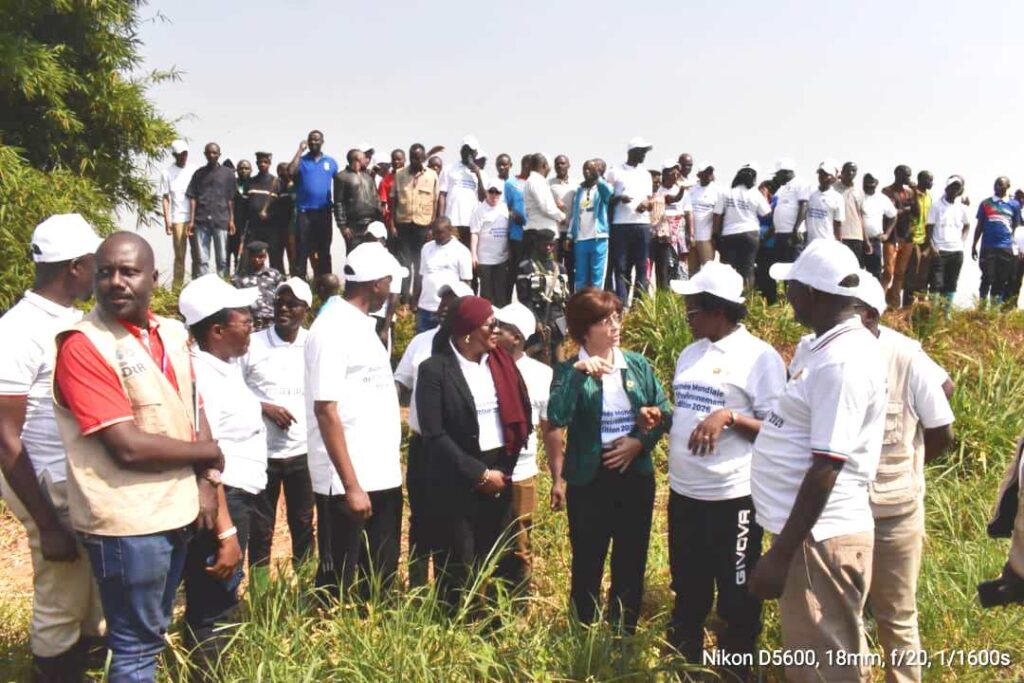
Ceremonies celebrating World Environment Day and the 16th edition of African Border Day were held on Thursday, July 16, 2026. The joint observance showed themes related to environmental protection and border management, particularly concerning transboundary natural resources. The event noted ongoing efforts to promote cooperation and sustainable practices among African nations, emphasizing the shared responsibility for vital ecosystems. The dual celebration provided a platform for stakeholders to discuss pressing environmental challenges and strategies for effective border management, especially in areas rich in natural resources that span national boundaries.
Call to Protect Waterways
The governor of Burunga province, Léopold Maroha, urged the population residing around the Maragarazi river to protect it by planting bamboos on its banks to prevent landslides. Maroha's call emphasized the importance of community involvement in environmental protection, particularly for vital water resources that are key for both local communities and the broader region. The governor noted that such proactive measures are essential for mitigating the impacts of environmental degradation and ensuring the long-term health of the river ecosystem. Burundi is recognized as one of the leading countries globally in terms of fresh water quantity, a significant natural endowment. This status shows the immense significance of conserving its aquatic ecosystems, including shared waterways like the Maragarazi river, which forms part of the border between Burundi and Tanzania. Efforts to protect these transboundary waters are key for maintaining ecological balance and ensuring sustainable resource management across the region, benefiting communities on both sides of the border. The appeal to plant bamboo is a practical step towards achieving these conservation goals, offering a natural defense against erosion and promoting biodiversity.
Event Details and Attendees
The joint ceremonies marking the celebration of World Environment Day and the 16th edition of African Border Day took place on Thursday, July 16, 2026. The event was specifically held on Gihofi hill in Rutana commune, Burunga province, a location strategically chosen as it is situated directly along the banks of the Maragarazi river. This setting provided a tangible backdrop to the discussions on transboundary water protection. Attendees included a diverse group of stakeholders, reflecting the collaborative spirit of the event. Among those present were elected deputies from Burunga province, representatives from various development partners, and the delegate of the United Nations system. The United Nations Development Programme (UNDP) representative in Burundi also participated in the event, showing the international community's commitment to these issues. The gathering showed the collaborative spirit among local governance, international organizations, and partners in addressing environmental and border management issues, fostering a unified approach to shared challenges. The presence of these key figures noted the multi-faceted importance of the topics discussed, drawing attention from local, national, and international levels.
Ministerial and Governor's Remarks
The celebration's central theme was 'Tous pour le climat: prenons soin de nos eaux transfrontalières' (All for climate: let's take care of our transboundary waters). This theme noted the critical need for collaborative efforts in addressing climate change impacts on shared water resources and emphasized the collective responsibility of all stakeholders. The focus on transboundary waters showed the interconnectedness of nations in managing these vital ecosystems, recognizing that environmental challenges do not respect political boundaries. The discussions aimed to reinforce regional cooperation and promote sustainable practices to safeguard aquatic environments that cross national borders, ensuring their integrity for future generations. The event served as a key platform for stakeholders to commit to protecting these essential resources, recognizing their importance for environmental stability and socio-economic well-being across the African continent. This commitment is vital for fostering peace and cooperation among neighboring countries that share these natural assets.
Broader Context and Significance
The Maragarazi river, where the ceremonies took place, marks a significant geographical feature, forming the border between Burundi and Tanzania. This geographical context notes the inherently transboundary nature of the discussion on water protection and shows the critical importance of regional collaboration for the sustainable management of shared natural resources. The river serves as a lifeline for communities on both sides, making its protection a matter of mutual interest and necessity. The event's focus on this specific river basin brought to light the practical implications of transboundary water management and the direct impact of environmental policies on the lives of border communities. The call for planting bamboo along its banks by Governor Léopold Maroha is not just an environmental initiative but also a symbolic act of cooperation and shared stewardship, promoting ecological resilience and fostering good neighborly relations.