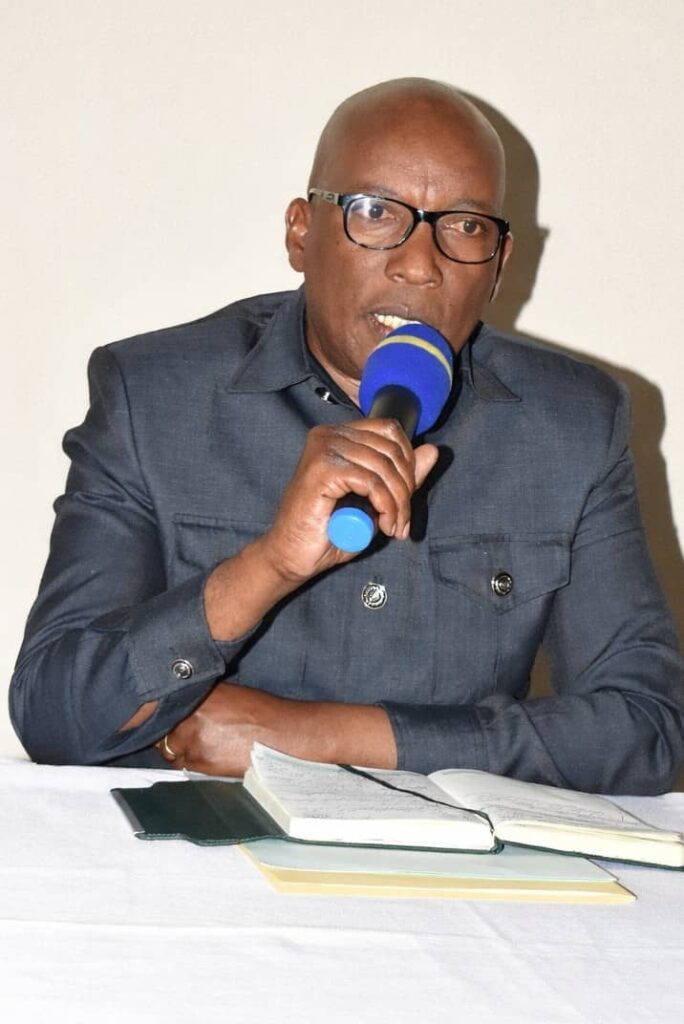
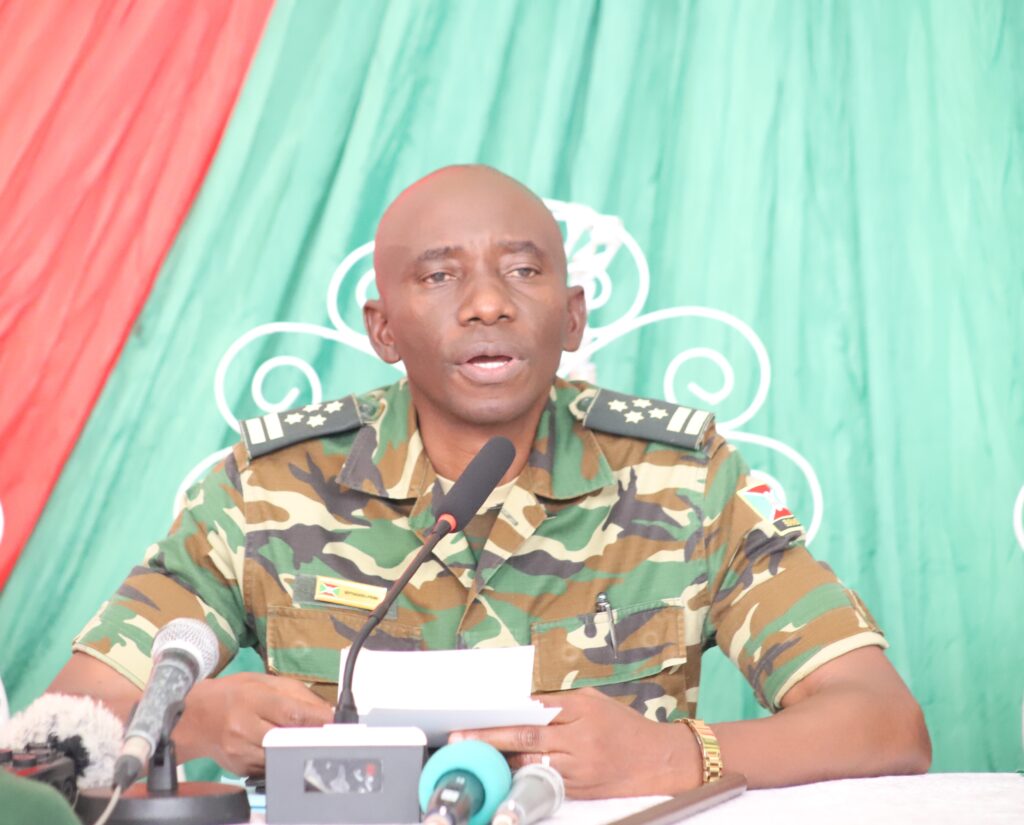
A fire devastated the market of Ngozi, prompting a visit from the president of the National Assembly the day after the incident. The visit, occurring on July 17, 2026, followed the blaze which ravaged the commercial hub. This report, published on July 17, 2026, details the contentious aftermath of the official's remarks. The inferno had left a trail of destruction, impacting numerous livelihoods and the economic fabric of the area. The swift visit by such a high-ranking official was anticipated to offer solace and practical solutions to those affected by the widespread damage.
Merchants' Devastation and Insensitive Call
The president of the National Assembly urged affected merchants to purchase fire trucks. The official's statement came during a visit to the devastated Ngozi market on July 17, 2026, the day after a fire destroyed the commercial hub. This directive has drawn criticism from some quarters, particularly among traders who are grappling with significant losses from the blaze. The call for merchants, who had just lost their entire stock and means of income, to invest in fire-fighting equipment was met with disbelief and anger. Many found the suggestion to be profoundly out of touch with the immediate and pressing needs of the victims.
Widespread Criticism of Discourse
The directive from the president of the National Assembly was reportedly perceived as deeply insensitive by many affected merchants. Traders who had lost all their possessions in the fire described the call to purchase fire trucks as "a knife turned in a still bleeding wound." This sentiment reflects the profound distress among those grappling with the aftermath of the market's destruction. For individuals whose businesses were completely destroyed, the idea of allocating scarce resources to fire trucks, rather than rebuilding their livelihoods, felt like an additional burden and an insult. The raw pain of their losses made the official's words particularly jarring.
Beyond the immediate impact on vendors, civil society organizations also voiced strong criticism regarding the official's discourse. These groups characterized the statement as inappropriate given the circumstances, noting a perceived lack of empathy for the victims' plight. The widespread condemnation shows the public's reaction to the president's remarks following the devastating blaze in Ngozi. These organizations emphasized that the focus should be on relief, recovery, and preventing future tragedies through systemic improvements, rather than placing the onus on the victims themselves.
The 'Sermon on the Ashes'
The merchants' experience has been starkly contrasted with the "Sermon on the Mount," with observers labeling the official's address as a "Sermon on the Ashes." This terminology shows the perception that the president of the National Assembly's message, delivered amidst the destruction of their livelihoods, was disconnected from the immediate and profound suffering of those affected. The comparison notes a widespread feeling of insensitivity towards the traders who lost their possessions in the Ngozi market fire. The phrase captures the critical public reaction to the official's remarks, implying a moral or ethical failing in addressing the community's distress. It suggests a message that, instead of offering comfort or practical aid, added to the burden of the already devastated populace.
Broader Implications and Reactions
Merchants who lost their goods in the Ngozi market fire are reportedly on the verge of depression following the devastating incident. The emotional toll on traders, many of whom saw their livelihoods destroyed, has become a significant concern. The psychological impact of losing everything, compounded by what they perceive as an unsupportive official response, has left many in a state of despair. Beyond the immediate impact on vendors, the president of the National Assembly's remarks also drew strong reactions from political figures. Some politicians expressed indignation at the suggested solution for fire prevention, viewing it as an inappropriate response to the tragedy. This broader political reaction notes the growing criticism of the official's stance and the perceived lack of empathy towards the affected community. The incident has thus sparked a wider debate about leadership responsibility and appropriate disaster response.