The Burundian government is launching a new educational reform, set to be progressively implemented starting from the 2026-2027 school year, following deep questioning of the existing "École fondamentale" system. This significant overhaul comes in response to widespread concerns regarding the quality of education in the country. Prime Minister Nestor Ntahontuye confirmed the reform on Thursday during a public broadcast, signaling the government's commitment to addressing long-standing issues within the national education framework. André Nduwimana, Director General for Preschool, Fundamental, Post-Fundamental, General, and Pedagogical Programs, subsequently announced further details of the upcoming changes, outlining the scope and ambition of the initiative.
Officials attribute the current educational dysfunctions to the rushed implementation of the "École fondamentale" system, which was launched over a decade ago. This system, while intended to improve access to education, has instead been linked to a decline in educational standards and a host of systemic problems. Mr. Nduwimana emphasized the critical importance of teacher preparedness for any new curriculum, showing that the success of the reform hinges on the capabilities of the educators. "On ne peut pas instaurer un nouveau programme sans que les enseignants le maîtrisent et espérer réussir," Nduwimana stated, noting the necessity of proper training and understanding among educators for successful reform. This sentiment reflects a recognition that past reforms may have faltered due to insufficient investment in the teaching workforce.
New System Details and Progressive Rollout
The new educational reform will be introduced progressively, targeting specific grades over several years to ensure a smooth transition and effective implementation. Implementation is scheduled to begin with the 7th, 8th, 9th, and 10th grades. This phased approach aims to allow for continuous evaluation and adaptation as the new system takes root. Burundi's Ministry of National Education and Scientific Research has developed a new knowledge block, drawing upon national, regional, and international orientations to inform its content. This new block aims to modernize the curriculum and align it with broader educational standards, ensuring that Burundian students receive an education comparable to international benchmarks.
A detailed pedagogical reform plan has been designed specifically for grades 7 to 10, informed by recommendations from previous evaluation processes and extensive consultations. This plan outlines the specific changes to teaching methodologies, learning objectives, and assessment strategies for these critical years, which are seen as foundational for students' academic and professional futures. The government anticipates that the first 10th-grade class under the new system will commence in the 2027-2028 school year, marking a significant milestone in the reform's rollout and providing the first cohort to fully experience the updated curriculum.
Prime Minister Nestor Ntahontuye also confirmed the reopening of boarding facilities for 7th-grade students who are admitted to excellence schools. This measure seeks to support high-achieving students and provide them with enhanced learning environments, including dedicated resources and specialized instruction, as part of the broader educational restructuring. The gradual introduction of these changes shows a deliberate and thoughtful approach to overhauling the national education system, aiming to avoid the pitfalls of previous, more hastily conceived reforms. The government is keen to ensure that the foundational elements are in place before expanding the reform across all levels.
Roots of the Reform: Long-Standing Criticisms
Specialists have criticized Burundi's education system for an extended period, identifying various systemic shortcomings that have led to declining standards. These persistent criticisms contributed significantly to the current impetus for reform within the national education framework, creating an urgent demand for change from both within and outside the government. The "École fondamentale" system, in particular, has faced deep questioning regarding its effectiveness and its contribution to the overall decline in educational quality. Officials attribute many of these dysfunctions directly to the rushed implementation of this system, which was launched over a decade ago without adequate preparation or resources.
Libérat Ntibashirakandi, an educator and expert, provided a detailed diagnosis of severe issues within the country's national education system during the 2014 "États généraux de l'Éducation." His full assessment noted several fundamental challenges that have persisted and contributed to the declining educational standards observed in recent years. Among the key problems identified by Mr. Ntibashirakandi was a significant lack of qualified teachers, which he noted undermined the quality of instruction across various levels of education. He also pointed to an insufficiency of teaching materials, hindering effective learning and practical application of knowledge for students, particularly in subjects requiring hands-on experience or diverse resources.
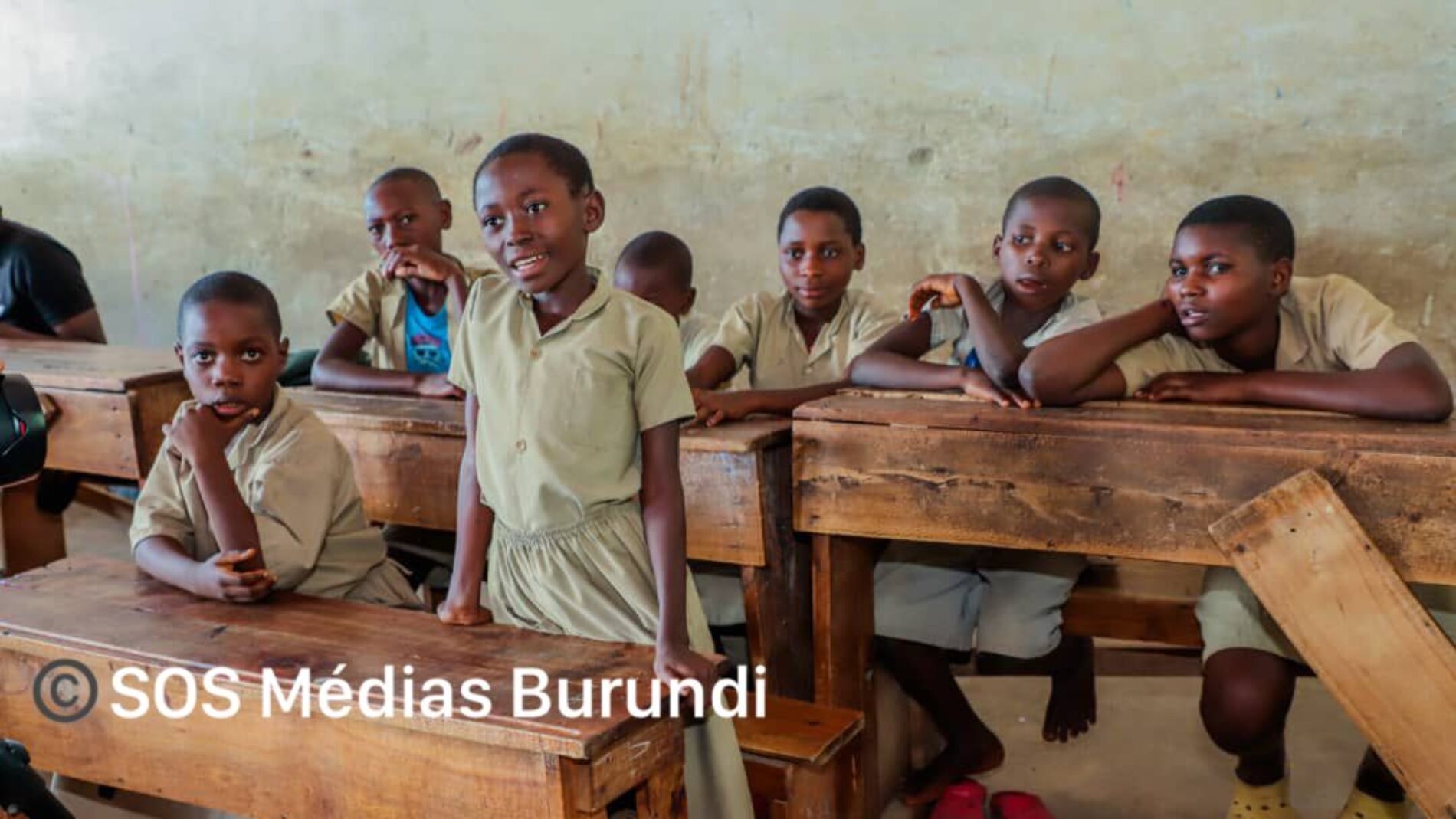
Mr. Ntibashirakandi's 2014 diagnosis detailed the widespread problem of overcrowded classes, which often made individual student attention and effective classroom management difficult for educators, thereby compromising the learning environment. His analysis also covered planning deficits within the educational administration, suggesting that strategic foresight, coherent policy implementation, and long-term vision were lacking in the management of the education sector. Teacher demotivation was another critical issue he raised, indicating that factors affecting morale, professional engagement, and retention among educators needed urgent addressing to ensure a committed and effective teaching force. Finally, Mr. Ntibashirakandi specifically criticized what he termed the "improvisation of reforms," suggesting that past attempts at educational change were often hastily conceived and poorly executed, leading to limited positive impact and further instability in the system. These long-standing issues are widely seen as foundational drivers behind the current government-led overhaul, which seeks to learn from past mistakes and implement a more strong and sustainable solution.
Lingering Concerns and Support Measures
A noticeable decline in students' French language skills has been identified as a significant concern, contributing to broader worries about educational quality. Programs are considered inadequate, and an in-depth evaluation revealed unnecessary repetitions in some curricula and significant gaps in certain subjects, including French. This weakness in French proficiency impacts learning in other subjects, according to the evaluation's findings, as French is often the language of instruction for many academic disciplines, thereby creating a ripple effect across the curriculum. The government's reform aims to address these specific deficiencies through its new knowledge block and pedagogical plan.
Beyond the primary and secondary education reforms, the government also announced the reinstatement of the student catering system at the University of Burundi. This information was made public during an interview with Radio Nderagakura, providing a key support measure for university students, many of whom rely on these services for their daily sustenance. This decision reflects a broader effort to improve conditions across all levels of the education system.
Teacher unions have broadly welcomed the government's announcement regarding the educational overhaul, recognizing the urgent need for systemic change. However, they emphasize the critical need for sufficient support measures to ensure its success and prevent the reform from becoming another "improvisation." Teacher unions state that sustainable improvement requires adequate teacher training, not just initially but on an ongoing basis, to adapt to new methodologies and content. They also call for the consistent availability of teaching materials, better working conditions that include fair remuneration and professional development opportunities, and rigorous planning that involves educators in the design and implementation phases. Without these foundational elements, they argue, the reforms may not achieve their intended impact, risking a repeat of past failures and further disillusionment among students and educators alike. The unions stress that a holistic approach, addressing both curriculum and the welfare of educational professionals, is essential for lasting positive change.