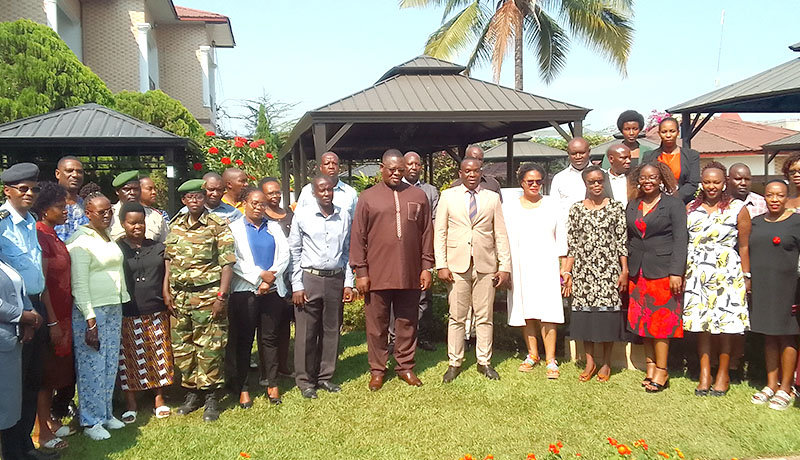
Burundi officially launched the PAEPA "Amazi Iwacu" project on Wednesday, June 17, 2026, marking a significant step in the nation's development goals. The initiative aims to improve water access and sanitation across the country, a critical component of public health and economic development. Burundi harbors an ambition to achieve developed country status by 2060, a target that projects like PAEPA "Amazi Iwacu" are intended to support by laying foundational infrastructure. The launch shows the government's commitment to enhancing infrastructure and public services as part of its long-term vision for national progress and improved living standards for its citizens.
Infrastructure and Capacity
A new water pumping and treatment station is slated for construction in Nyabugete, located in the Ruziba zone of Mugere commune, situated south of the capital city, Bujumbura. This facility will significantly enhance the region's water infrastructure, addressing long-standing needs for reliable and clean water supply. The station is designed to achieve a substantial production capacity of 120,000 cubic meters of water per day upon full completion, a volume critical for serving a growing urban and peri-urban population. Its operation will be phased, initially producing 60,000 cubic meters daily until 2040. The station is projected to reach its full capacity of 120,000 cubic meters per day by 2060, aligning with the country's long-term development goals and anticipated demographic growth. This phased approach ensures sustainable growth and adaptation to future demand.
Beneficiary Reach and Impact
The President of the Republic, Evariste Ndayishimiye, presided over the project's official launch, noting the national importance placed on this initiative. The project is projected to significantly improve access to drinking water for a large segment of the population, thereby enhancing public health outcomes and reducing waterborne diseases. Starting in 2028, approximately 615,000 people are expected to benefit directly from enhanced drinking water services, marking a substantial increase in coverage. A substantial portion of these beneficiaries will reside in the capital city, which faces particular challenges with water supply due to its high population density. Of the total population slated for improved access, about 490,000 are inhabitants of Bujumbura city, showing the project's focus on urban as well as broader national water infrastructure improvements. This strategic targeting aims to address critical needs where they are most acute.
Financial Backing and Vision
The PAEPA "Amazi Iwacu" project has a total cost of 90 million US dollars, reflecting the significant investment required for such a large-scale infrastructure endeavor. The World Bank is co-financing the initiative, contributing a substantial 80 million dollars to its implementation, demonstrating strong international support for Burundi's development agenda. This financial backing supports the project's alignment with Burundi's National Vision 2040-2060, which outlines the country's long-term development objectives, including universal access to essential services. The funding facilitates key infrastructure developments aimed at improving water access and sanitation nationwide, contributing directly to the nation's aspirations for socio-economic progress.
Official Statements
Representatives from key financial partners, including the World Bank, attended the launch event for the PAEPA "Amazi Iwacu" project, signifying the collaborative nature of this undertaking. The World Bank is co-financing the initiative, providing 80 million dollars towards its implementation, a critical contribution that enables the project's ambitious scope. The government of Burundi is contributing the remaining 10 million dollars to the project, demonstrating its national commitment and ownership of this vital infrastructure development. This funding arrangement supports the project's alignment with Burundi's National Vision 2040-2060, which details the country's long-term development objectives and strategic priorities. The combined contributions facilitate key infrastructure developments aimed at improving water access and sanitation nationwide, showing a collaborative approach to enhancing public services and achieving sustainable development goals.