Rumonge, Burundi faces persistent disability challenges, including the deaths of two albinos from skin cancer since early 2026, according to the representative of albinos in Rumonge. Inaccessibility to public infrastructure remains a significant concern in the region. This issue affects facilities such as schools, administrative offices, health centers, and latrines, which often feature stairs or other physical barriers. These structural impediments create substantial hurdles for individuals with disabilities in Rumonge, limiting their access to essential services and daily life. The ongoing difficulties faced by people with disabilities show a pressing need for improved accessibility and support systems within the commune.
Barriers to Daily Life
People with disabilities in Rumonge commune encounter multiple problems, and their numbers are increasing, according to Dany Kasembe, the representative of the Union of People with Disabilities of Burundi (UPHB) in Rumonge. Kasembe noted the persistent challenges faced by this demographic within the community. These difficulties extend to critical services, exacerbating daily struggles for individuals with various impairments. The inaccessibility to public infrastructures such as schools, administrative offices, health centers, and latrines due to stairs or other barriers is a major issue, as noted by Kasembe. This lack of accessible infrastructure severely restricts the participation of people with disabilities in public life and their ability to access essential services.
The province of Burunga currently lacks specialized educational institutions, specifically schools for the visually impaired and deaf-mute. This absence of dedicated facilities presents a significant barrier to education for these groups, potentially limiting their opportunities for learning and development. The lack of such specialized schools means that visually impaired and deaf-mute individuals in Burunga must contend with an educational system that is not adequately equipped to meet their specific needs, often leading to exclusion from mainstream education. The challenges extend beyond education, encompassing various aspects of daily life where accessibility remains a critical hurdle for the increasing number of people with disabilities in the region.
Health and Safety Concerns
Since January 2026, two albinos have died from skin cancer in Rumonge. The representative of albinos in Rumonge confirmed these deaths, noting a critical health vulnerability within the community. The most recent albino victim, from Mugara hill, died at Rumonge hospital in early June. Their deaths highlight specific health vulnerabilities within the albino community in the region, particularly concerning skin cancer, which is often exacerbated by lack of protective measures and adequate medical care. These tragic losses show the urgent need for targeted health interventions and awareness campaigns for albinos in Rumonge. The specific circumstances surrounding these deaths have brought renewed attention to the health challenges faced by this particular group within the broader disabled population.
Calls for Representation
Burundi trails other countries in the sub-region concerning the representation of people with disabilities within decision-making bodies. This disparity in inclusion suggests a broader challenge in integrating individuals with disabilities into governance and policy-making processes. The lack of proportional representation means that the perspectives and needs of this demographic may not be adequately addressed in national and regional decisions, leading to policies that do not fully account for their specific requirements. This gap in representation is a significant concern for advocates who believe that direct involvement in decision-making is key for fostering an inclusive society and addressing systemic barriers. Greater representation would ensure that the unique challenges faced by people with disabilities are heard and acted upon at the highest levels.
Community Engagement and Promises
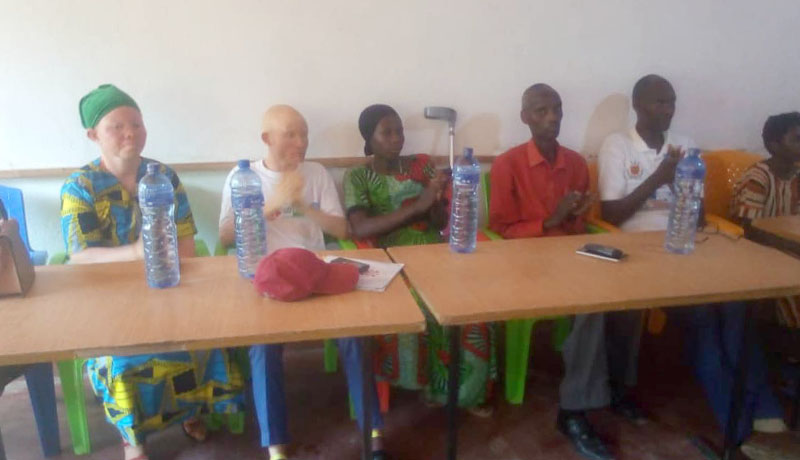
A meeting for people living with disabilities in Rumonge commune was organized on June 11, 2026. The Union of People with Disabilities of Burundi (UPHB) and the Council for Education and Development (CED) facilitated the event through their project 'Biraturaba twese'. The commune of Rumonge includes over 500 people living with disabilities, showing the significance of such community engagements. The gathering provided a platform for participants to discuss their concerns and experiences within the region, offering an opportunity for their voices to be heard by local authorities and development partners. During the meeting, participants detailed the various problems they encounter daily, reinforcing the data presented by Dany Kasembe regarding the increasing number of people with disabilities facing multiple issues. The project 'Biraturaba twese' aims to empower individuals with disabilities and advocate for their rights, making such community forums vital for progress. These discussions are intended to inform future initiatives and policy adjustments aimed at improving the lives of people with disabilities in Rumonge.