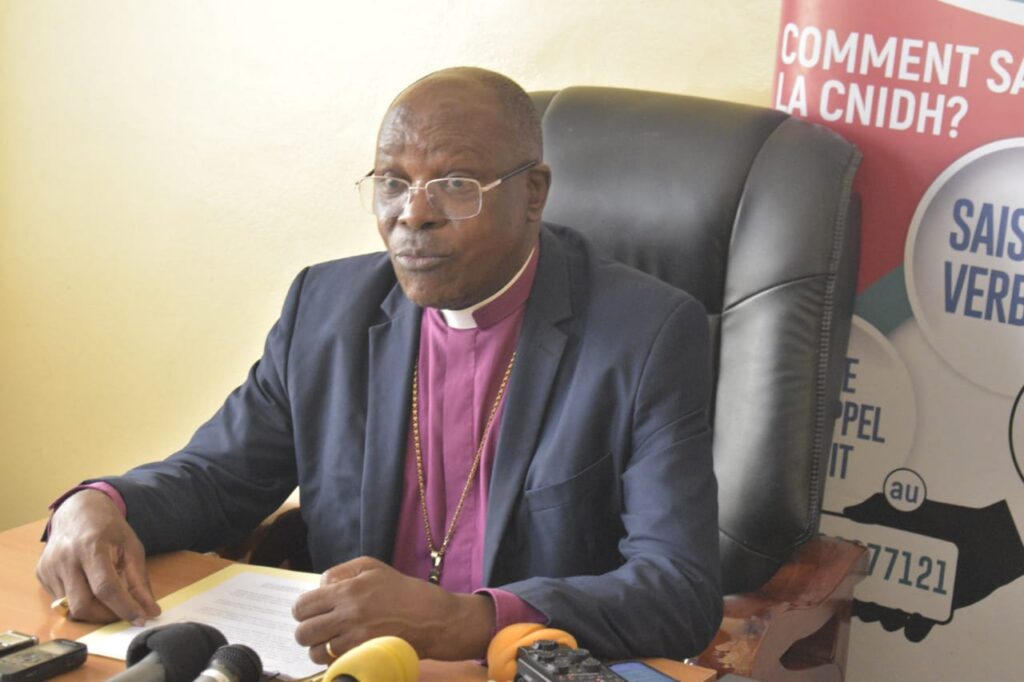
Burundi commemorated African Child Day on June 16, 2026, a significant date observed across the continent to highlight issues affecting children. The commemoration in Burundi was marked by a press conference held by Mgr Martin Blaise Nyaboho, President of the Commission nationale indépendante de droit de l’Homme (CNIDH), on Tuesday, June 16, 2026. During the event, Mgr Nyaboho showed Burundi's commitment to children's rights, noting that the nation has ratified the Convention on the Rights of the Child. He further noted that the African Charter on the Rights and Welfare of the Child is an integral part of the Constitution of Burundi, as enshrined in Article 19. This constitutional inclusion reflects a foundational legal commitment to safeguarding the well-being of Burundian children. Mgr Nyaboho specifically urged the government to persist in applying specific measures to ensure the education of children in vulnerable situations, recognizing the particular challenges faced by this demographic. Emphasizing the profound importance of these efforts, Mgr Nyaboho stated, "La dignité de l’enfant burundais est notre dignité," a powerful declaration linking the dignity of the nation to that of its children.
Justice for Minors
In the realm of judicial processes, cases involving minors in conflict with the law are processed swiftly within Burundi's court system once they officially reach the courts. This speed in judicial handling is a positive aspect of the system. However, significant challenges persist in the pre-jurisdictional phase, which can unfortunately lead to notable delays for minors involved in legal proceedings before their cases even reach a judge. Addressing a critical aspect of child protection, officials have consistently stated that minors in conflict with the law must not be detained under the same conditions as adults. This principle shows the importance of differentiated treatment, acknowledging the unique developmental needs and vulnerabilities of young individuals within the justice system. To specifically address the needs of these young individuals and provide appropriate rehabilitation, Burundi has established three dedicated re-education centers. These specialized facilities are strategically located in the provinces of Ngozi, Rumonge, and Ruyigi, offering environments tailored for the rehabilitation and support of minors. The creation of these centers represents a tangible effort to improve the justice system's response to minors, aiming to ensure their fundamental rights are upheld throughout the legal process and that appropriate support mechanisms are readily available for their reintegration into society.
Barriers to Education
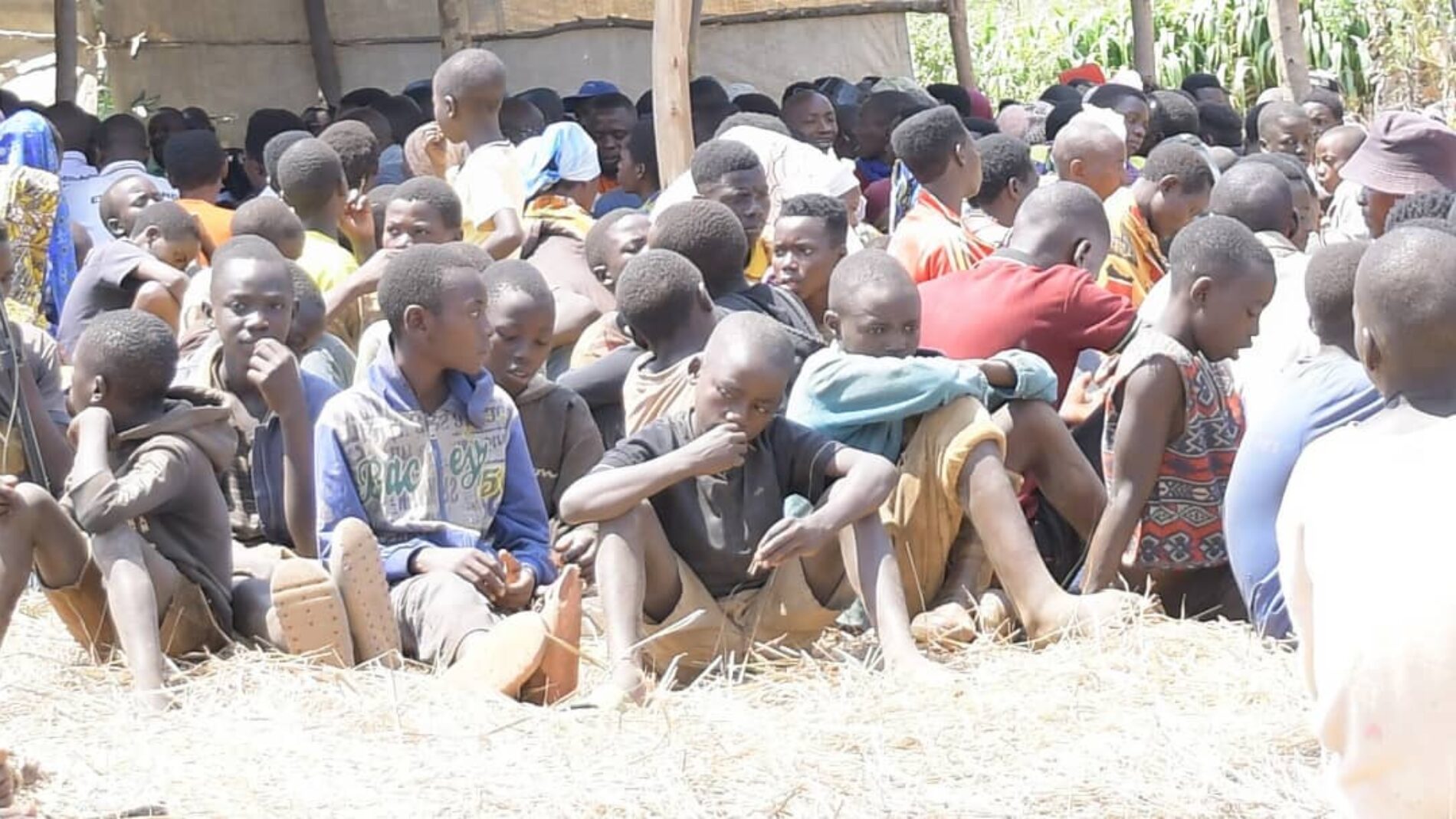
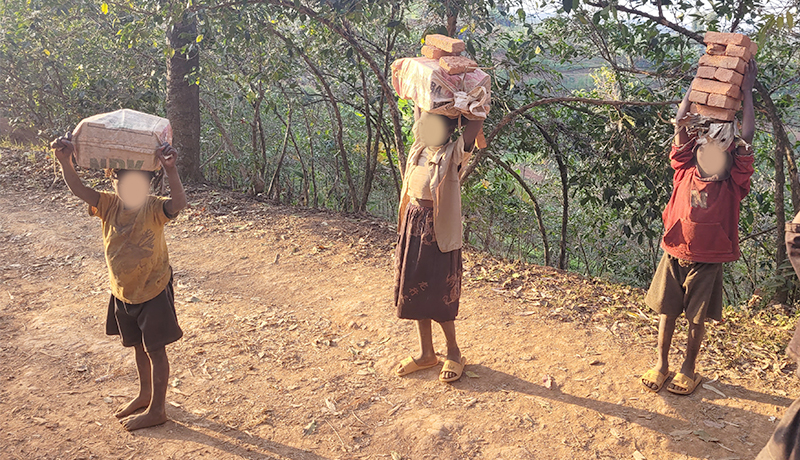
Obstacles to the full enjoyment of the right to education in Burundi encompass a wide range of interconnected factors, posing significant challenges to the nation's youth. These include concerning issues such as unwanted pregnancies among students, which often lead to school dropout, and a rising number of street children who are disconnected from formal schooling. Problems related to drug consumption among young people can severely impede their educational journey. Logistical challenges also play a substantial role, with significant distances from schools in rural areas often preventing consistent attendance, and natural disasters leading to school closures that disrupt learning. Additionally, high teacher-student ratios can profoundly affect the quality of the learning environment, making individualized attention difficult. Broader societal issues like emigration and child labor further contribute to a considerable number of children being out of school, denying them their right to an education.
The quality of teaching delivery, a cornerstone of effective education, faces its own set of critical challenges. This is largely due to an insufficiency in both the total number of qualified teachers available across the country and the qualifications of existing educators. This dual challenge significantly impacts the effectiveness and standard of educational instruction across various levels, from primary to secondary education.
Recognizing these systemic issues, Mgr Martin Blaise Nyaboho, President of the Commission nationale indépendante de droit de l’Homme (CNIDH), has urged the government to undertake necessary reforms aimed at improving the quality of the curriculum at all educational levels. This call notes the imperative need for full changes to enhance the overall educational experience and outcomes for Burundian children, ensuring that the content and delivery of education are relevant and effective.
CNIDH Recommendations
The Commission nationale indépendante de droit de l’Homme (CNIDH) has issued several key recommendations to the State of Burundi concerning children's rights, particularly focusing on education. The CNIDH advocates for a substantial increase in budget allocation to support quality education initiatives across the country, recognizing that adequate funding is essential for meaningful reform. Additionally, the commission recommends the expansion and multiplication of "centers of excellence" to enhance educational opportunities and provide high-quality learning environments for Burundian children, fostering academic achievement and specialized skills.
Further recommendations from the CNIDH include intensifying efforts to promote specialized trainer training, particularly for inclusive schools. This initiative aims to better equip educators to accommodate diverse learning needs, including those of children with disabilities, ensuring that all children have access to appropriate pedagogical support. The commission also calls for the establishment of a strong legal framework that would make fundamental education compulsory, aiming to ensure wider access to schooling and reduce dropout rates at the foundational level. Mgr Martin Blaise Nyaboho, President of the CNIDH, specifically urged the government to address teacher shortages as comprehensively as possible to improve educational outcomes, emphasizing that a sufficient and qualified teaching force is critical. He also pressed the government to ensure unwavering respect for international and regional commitments related to the protection and promotion of children's rights, reinforcing Burundi's obligations on the global stage.