Rwanda is progressively deploying a new biometric identity card for all citizens and residents, establishing a national digital identity system described by the Rwandan government as modern, secure, and privacy-respecting. This ambitious initiative aims to modernize identification processes across the country, ensuring a strong and reliable system for all inhabitants. Authorities anticipate the new biometric ID cards will offer more opportunities and simplify daily administrative procedures for refugees, providing them with enhanced access to services and greater ease in their daily lives. The rollout of this full system is planned for progressive implementation until June 2027, indicating a phased approach to ensure smooth transition and widespread adoption.
Nationwide Biometric Data Collection and System Foundation
The National Identification Service has been diligently collecting biometric data nationwide for several months as part of the foundational work for this new system. This extensive data collection includes high-resolution photographs, detailed fingerprints, and precise iris scans, creating a multi-layered biometric profile for each individual. The integration of such diverse biometric identifiers is central to the system's described security and accuracy. A key aspect of this forward-thinking approach is that children will also be integrated into the system from birth, ensuring a universal and full identification framework from the earliest stages of life. Photographs will be added to the children's files once they reach the age of four, capturing their visual identity as they grow. Subsequently, fingerprints and iris biometric data will be recorded for children when they turn five years old, establishing their unique physiological identifiers. A digital signature update will subsequently occur at sixteen years of age, preceding the issuance of the final identification card, marking a significant milestone in their digital identity journey. The government's emphasis on integrating individuals from birth shows its commitment to a fully inclusive digital identity ecosystem.
The full nature of the data collected, including photographs, fingerprints, and iris scans, forms the bedrock of this modern identification system. This detailed approach is designed to enhance security, prevent identity fraud, and streamline various administrative processes for citizens and residents alike. The National Identification Service is at the forefront of this effort, meticulously managing the collection and secure storage of this sensitive information. The phased collection process for children, starting from birth and progressively adding biometric data at specific age milestones, reflects a thoughtful strategy to build a complete and enduring digital identity record for every Rwandan. This process ensures that by the time individuals reach adulthood, their digital identity is fully established and verified within the national system.
Refugee Integration Efforts and Progress
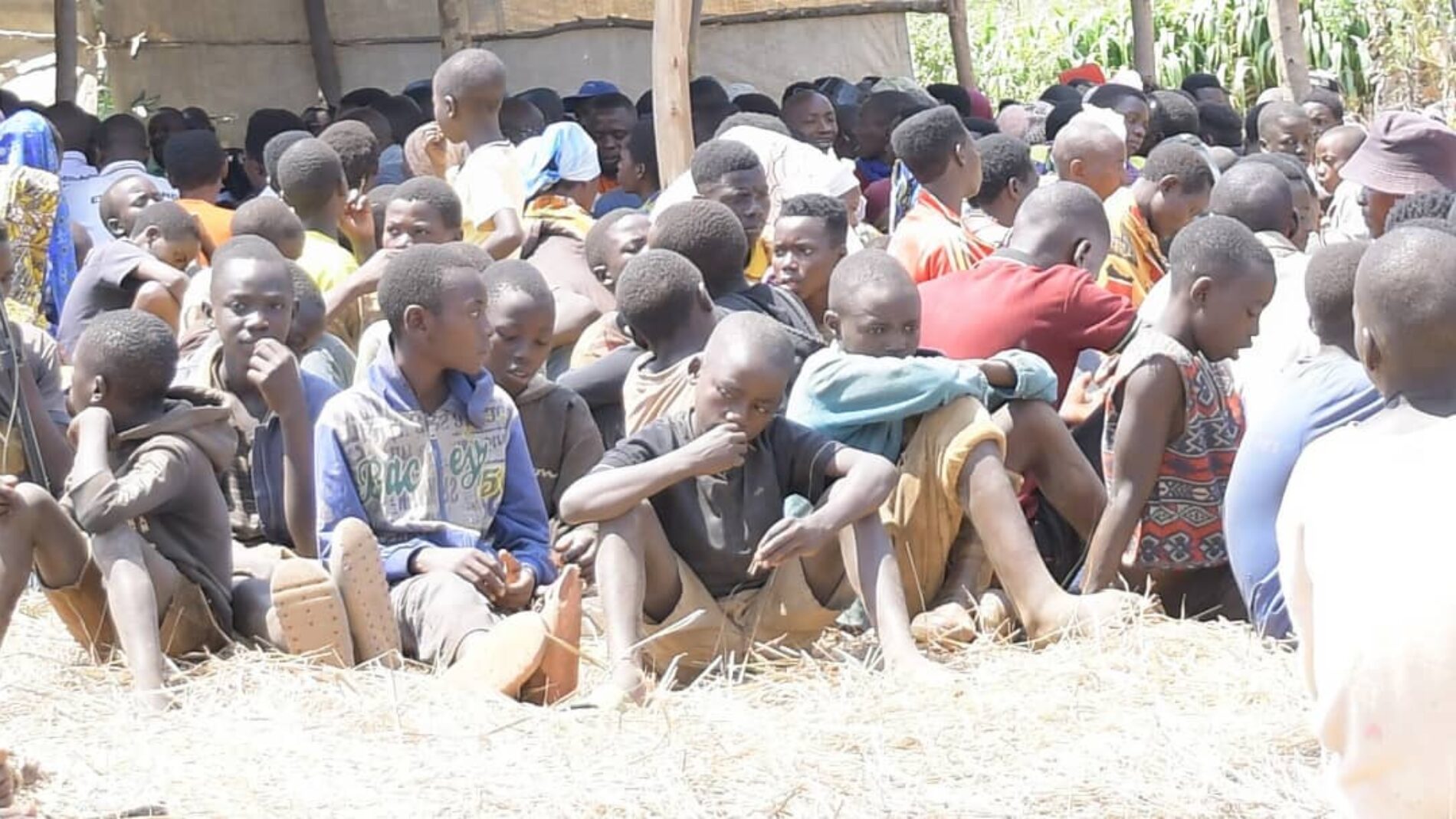
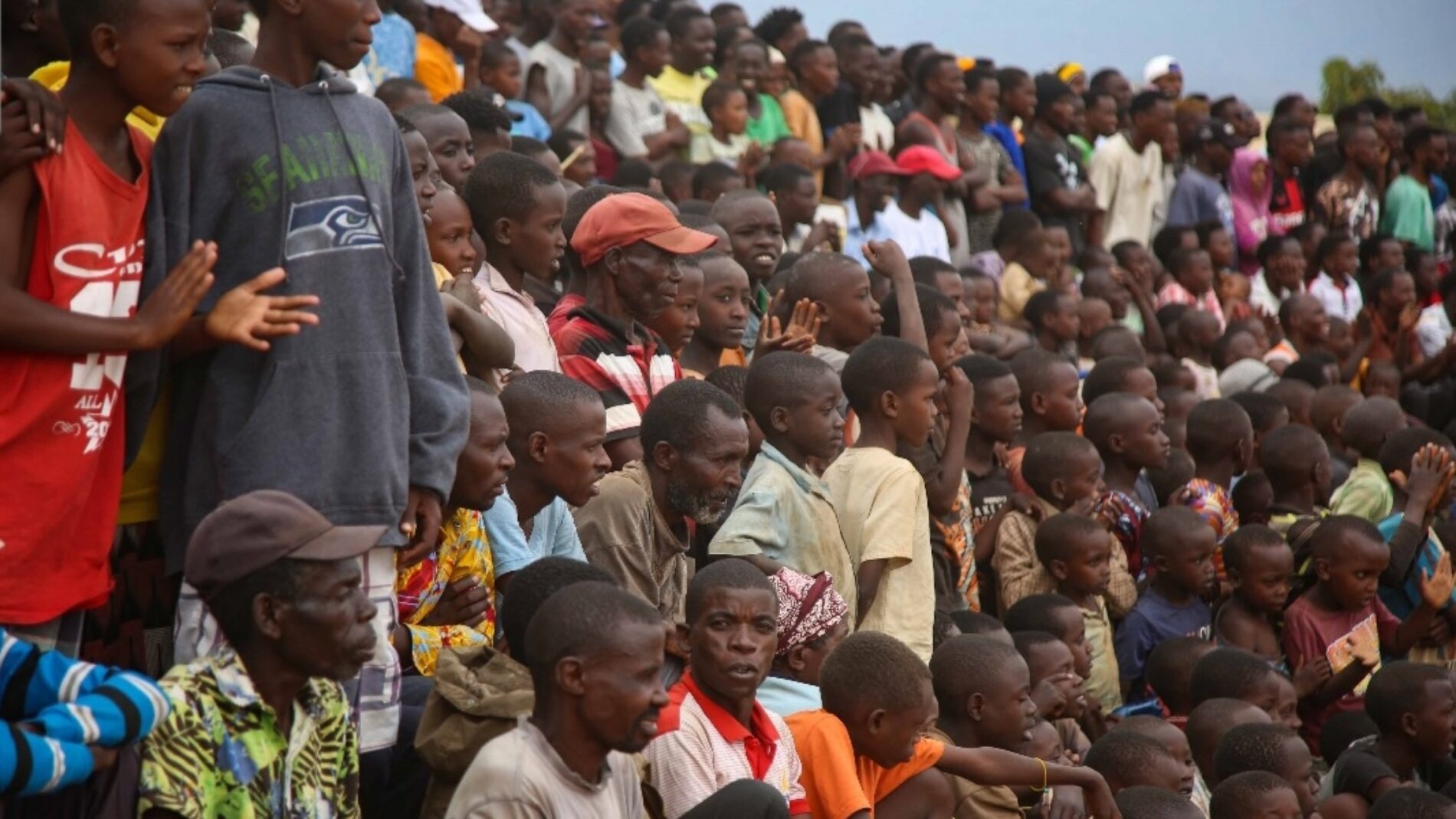
Registration operations for the new biometric identity cards are progressing at a sustained pace at Mahama camp, which hosts over 70,000 Burundian and Congolese refugees. This focused effort at one of Rwanda's largest refugee settlements notes the government's commitment to inclusive implementation. A significant portion of these refugees have already been registered as part of the national digital identity system rollout, demonstrating tangible progress in extending these benefits to displaced populations. The initiative aims to provide biometric ID cards to all citizens and residents, including refugees, by June 2027, ensuring that no segment of the population is left behind in this digital transformation. This reform currently underway in Rwanda extends to refugees residing in both camps and urban centers, ensuring full coverage regardless of their specific living arrangements. This broad scope shows the government's commitment to universal digital identity.
Rwanda is frequently presented as one of the most advanced African countries in information technology, a reputation that aligns with its development of this full digital identification framework. This advanced technological standing provides a strong foundation for the successful implementation of such a complex and broad system. The new cards are designed to simplify administrative processes and enhance opportunities for refugees residing in the country, potentially easing access to essential services, financial inclusion, and other critical resources. This effort builds on Rwanda's existing technological infrastructure and its commitment to digital inclusion, reflecting a broader national strategy to leverage technology for development and improved governance. The National Identification Service has been diligently collecting biometric data, including photographs, fingerprints, and iris scans, nationwide, forming the essential database for this system. This data collection extends to children, with specific age milestones for recording different biometric identifiers, ensuring a complete and future-proof system.
Refugee Hopes and Expectations and Operational Partnerships
The reform currently underway in Rwanda extends to refugees residing in both camps and urban centers, ensuring that all displaced individuals within the country are included in this significant national initiative. The immigration service, in collaboration with the ministry responsible for refugees and the UNHCR (United Nations High Commissioner for Refugees), is actively conducting registration campaigns across these diverse refugee populations. This collaborative approach leverages the expertise and resources of various stakeholders to ensure efficient and effective registration. This initiative ensures that refugees are included in the national digital identity system, providing them with a formal, recognized identity that can unlock numerous benefits. The expectation is that these new biometric cards will not only simplify daily administrative procedures but also open up new opportunities for refugees, fostering greater self-reliance and integration where appropriate.
The process involves a careful transition period. Following this transition, all previously issued identity cards will be deactivated and subsequently removed from the system, ensuring that the new biometric card becomes the sole, authoritative form of identification. This phased replacement strategy is key for maintaining data integrity and preventing the use of outdated or fraudulent documents. The progressive implementation until June 2027 allows ample time for all citizens and residents, including refugees, to be registered and receive their new biometric ID cards. The Rwandan government's vision for a modern, secure, and privacy-respecting national digital identity system is steadily taking shape, promising a future of streamlined services and enhanced opportunities for everyone residing within its borders. The collaboration between national agencies and international organizations like the UNHCR is vital to the success of this large-scale integration effort, particularly for vulnerable populations such as refugees. This partnership ensures that the process is conducted with due consideration for the unique circumstances and needs of refugee communities, upholding international standards and best practices in identity management.