Burundian President Évariste Ndayishimiye accused the Catholic Church and some civil society organizations of politicizing poverty during a recent meeting at the Ntare Rushatsi presidential palace in Bujumbura. The accusations followed a communiqué from the Conférence des évêques catholiques du Burundi (CECAB), which detailed a concerning socio-economic situation after their meeting in Bujumbura from June 1 to June 5. President Ndayishimiye challenged these groups to offer practical solutions, stating, "Imaginez-vous une organisation de la société civile qui ne fait que huer le gouvernement sans aucune autre action constructive. Qu’elle prêche plutôt par l’exemple en développant ses propres membres, et nous pourrons l’écouter."
The President's remarks, delivered during the ninth meeting of the National Social Protection Commission (CNPS), noted his frustration with what he perceived as unconstructive criticism. He emphasized the importance of tangible efforts to alleviate poverty rather than mere complaints. The setting at the Ntare Rushatsi presidential palace in Bujumbura provided a prominent platform for these significant declarations, showing the seriousness of the President's message to both the Catholic Church and civil society organizations.
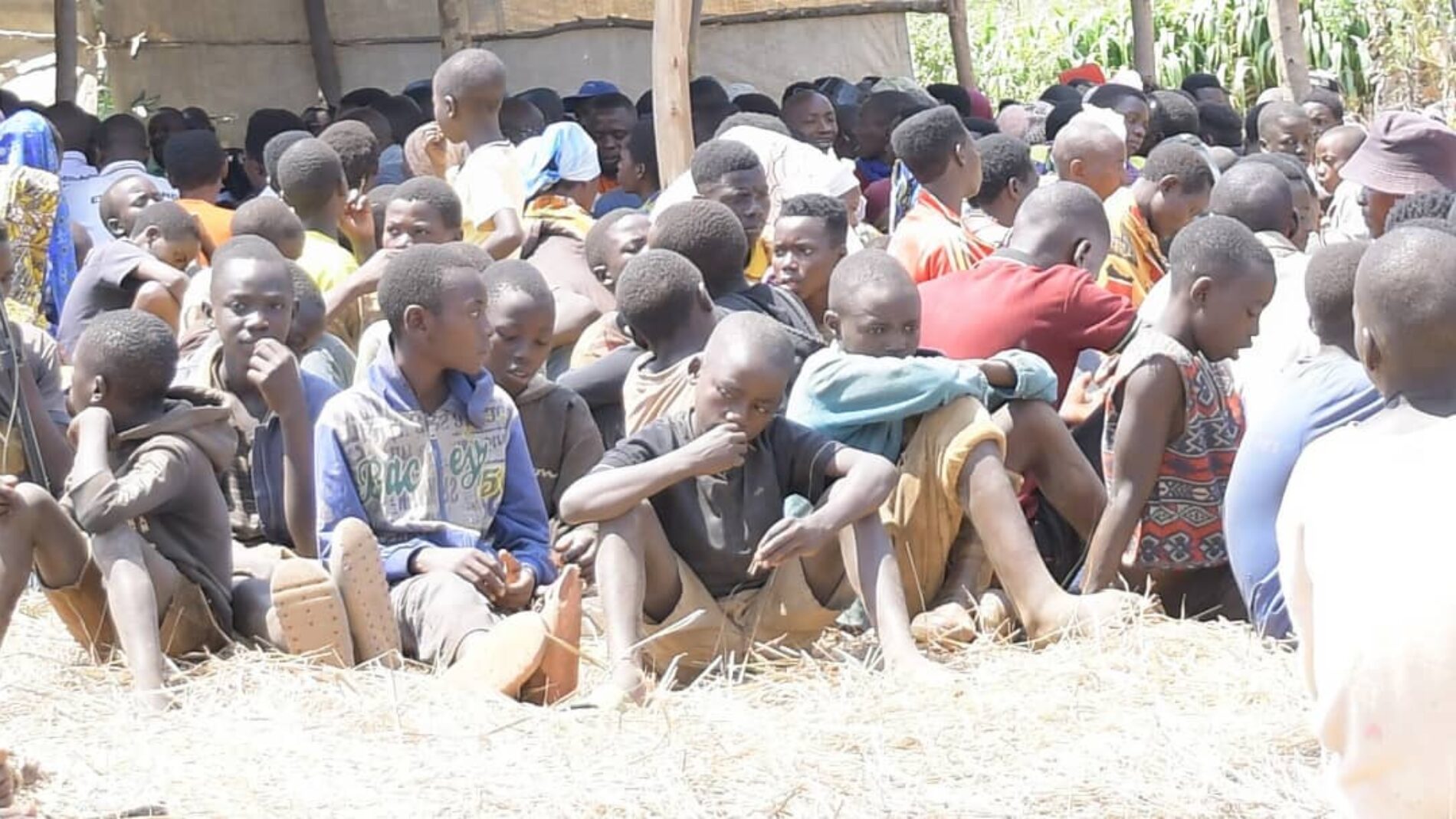
President Ndayishimiye specifically addressed the Catholic Church's role, noting its large following. "Prenez par exemple l’organisation Église catholique, elle a plus de 70 % de la population burundaise. Imaginez si elle disait : “je ne veux plus de pauvres au sein de mes membres”. À quoi ressemblerait le Burundi ?" He further criticized the bishops, saying, "Vous entendrez un évêque dire qu’il y a la famine dans le pays alors que ses propres fidèles ont faim. Il ne connaît pas son rôle. Que fait-il pour que ses membres travaillent ?" This direct challenge suggested that the President believes the Church, given its considerable influence and membership, should focus more on practical economic empowerment among its adherents.
Bishops' Concerns Detailed
The Conférence des évêques catholiques du Burundi (CECAB) communiqué, published following their meeting in Bujumbura from June 1 to June 5, noted several pressing issues concerning the socio-economic situation in the country. The bishops noted persistent shortages of essential goods, specifically citing fuel and medicine as critically affected. These shortages have a direct and severe impact on the daily lives of many Burundians, affecting transportation, healthcare, and basic necessities. They also reported a significant increase in the cost of living, contributing to widespread economic hardship for many Burundians, making essential goods and services increasingly unaffordable.
The communiqué further detailed the degradation of infrastructure across the nation, which impacts various sectors from transportation to public services. This deterioration hinders economic activity and societal development. Another concern raised by the CECAB was the exodus of skilled workers from Burundi, suggesting a brain drain affecting the country's development and future prospects. The departure of professionals and educated individuals can severely impact a nation's capacity for growth and innovation. Additionally, the bishops emphasized the disturbing recurrence of lifeless bodies being discovered in different regions of the country, a phenomenon they publicly acknowledged in their statement. This particular concern points to deeper issues of security and human rights within the nation. The full nature of the CECAB's communiqué painted a stark picture of the challenges facing Burundi.
President's Counter-Accusations
President Évariste Ndayishimiye's address, delivered at the Ntare Rushatsi presidential palace in Bujumbura, extended for over five hours. The lengthy speech saw the Burundian leader directly challenge the Catholic Church and various civil society organizations. Relations between Burundian authorities and the Catholic Church are regularly marked by tensions, a dynamic that has been observed on multiple occasions. The President's prolonged remarks showed his stance against what he perceived as a politicization of poverty by these groups, urging them to demonstrate tangible solutions rather than merely criticizing government actions.
This latest exchange follows a communiqué from the Conférence des évêques catholiques du Burundi (CECAB) that outlined significant socio-economic challenges within the country. The president's extended address served as a direct response to the bishops' concerns, reframing the narrative and placing the onus on the Church and civil society to contribute actively to solutions. The historical context of strained relations between the state and the Church in Burundi suggests that this public rebuke is part of an ongoing pattern of disagreements, where both entities often find themselves at odds over national issues.
Historical Tensions and Church Role
The declarations by President Évariste Ndayishimiye occurred on Monday during the ninth meeting of the National Social Protection Commission (CNPS). This event provided the platform for the President to address the Catholic Church and civil society organizations directly. The Catholic Church's significant presence in Burundi, with over 70% of the Burundian population as members, grants it considerable influence within the country. This widespread membership notes the Church's long-standing role in Burundian society, extending beyond spiritual matters to include social and economic commentary.
The President's remarks showed a recurring pattern of tension between the state and the Catholic Church in Burundi, where the Church's pronouncements on national affairs often draw government scrutiny. This historical dynamic frequently places the Church in a position to voice concerns regarding governance and public welfare, given its deep roots within the population. The President's call for practical solutions rather than criticism reflects a desire for these influential organizations to align their efforts more closely with the government's development agenda. The extensive duration of his speech further emphasized the depth of the President's concerns regarding the role and perceived actions of these influential non-state actors in Burundian society.