Rwanda has expressed significant concerns regarding the involvement of Burundi and the Democratic Forces for the Liberation of Rwanda (FDLR) in the ongoing crisis in the Democratic Republic of Congo. The Rwandan government articulated its apprehension over the destabilizing activities attributed to these entities within the DR Congo, particularly noting their alleged roles in exacerbating the conflict. This development comes as regional tensions continue to escalate, with various actors accused of contributing to the complex security situation in the eastern DR Congo. Rwanda's statement shows its perspective on the multifaceted challenges hindering peace efforts in the region, drawing attention to specific groups it claims are fueling the instability.
Rwanda's Accusations Detailed
Rwanda has conveyed its concerns through various channels, emphasizing what it describes as a direct threat posed by the alleged collaboration between Burundian forces and the FDLR. The Rwandan government maintains that these activities contribute significantly to the protracted instability in the eastern DR Congo, impacting regional security dynamics. According to Kigali, the presence and operational scope of these groups near its borders necessitate a strong response and international attention.
The allegations suggest a complex interplay of armed groups and state actors contributing to the volatile situation. Rwanda's stance centers on the belief that addressing the root causes of the conflict requires a clear understanding of all parties involved, including those it accuses of actively destabilizing the region. These claims have been a consistent feature of Rwanda's diplomatic discourse regarding the DR Congo crisis, frequently iterated in regional and international forums. The government asserts that a failure to acknowledge and counter these alleged collaborations undermines efforts toward lasting peace and security across the Great Lakes region.
Regional Conflict Dynamics
The broader regional dynamics contribute to the protracted conflict in the Democratic Republic of Congo, with Rwanda consistently noting the interconnected roles of various actors. Tensions between Rwanda and Burundi have been a factor, alongside the long-standing presence of the Democratic Forces for the Liberation of Rwanda (FDLR) in eastern DR Congo. Rwanda views the alleged cooperation between Burundian forces and the FDLR as a significant challenge to regional stability. This situation complicates international and regional efforts aimed at de-escalation and peacebuilding in the Great Lakes region. The UN and other international bodies have frequently called for all parties to commit to dialogue and respect for territorial integrity, yet the security situation remains volatile. The involvement of multiple armed groups and state actors continues to fuel a complex crisis, impacting civilian populations and hindering humanitarian access across affected areas.
Diplomatic Arena
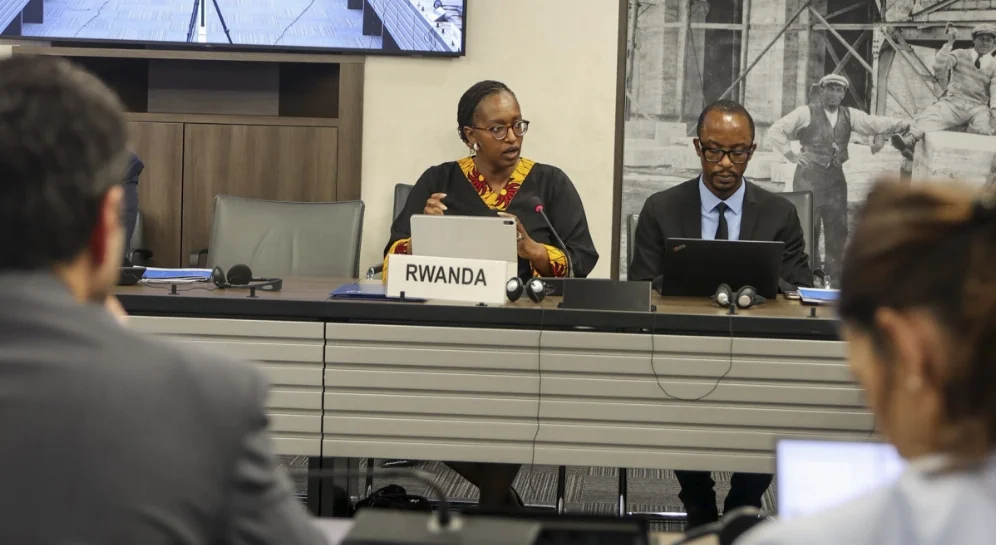
Rwanda's Permanent Representative to the United Nations in Geneva, Ambassador Urujeni Bakuramutsa, addressed the United Nations Human Rights Council on June 17. Ambassador Bakuramutsa spoke during a right of reply, utilizing the diplomatic platform to outline Rwanda's position on the ongoing crisis in the Democratic Republic of Congo. Her statement showed Kigali's concerns regarding the reported involvement of Burundi and the Democratic Forces for the Liberation of Rwanda (FDLR) in destabilizing activities within the DR Congo. This appearance before the Human Rights Council provided a high-level forum for Rwanda to convey its apprehensions and reiterate its perspective on the regional security challenges. The engagement notes Rwanda's consistent efforts to bring its concerns about the activities of these groups to international attention.