Burundian media professionals are renewing calls for greater access and a more open operating environment as World Press Freedom Day is celebrated annually on May 3rd. The demands come amid recent slight improvements in the country's press freedom standing. Burundi moved up six places in the 2026 Reporters sans frontières (RSF) ranking, now standing at 119th out of 180 countries, compared to its 125th position in 2025. This incremental gain suggests a shifting, albeit still fragile, landscape for journalism within the nation, prompting both cautious optimism and continued advocacy for further reforms.
Press Freedom Ranking and Environment
The 2026 World Press Freedom Index, published by Reporters Without Borders (RSF), indicated a global context of historic decline in press freedom. This full annual assessment provides a key benchmark for the state of journalism worldwide. Despite this overall trend of deteriorating conditions for media, Burundi registered a slight improvement in its ranking, moving from 125th position in 2025 to 119th out of 180 countries in 2026, gaining six places. This upward movement, while modest, offers a degree of hope for media practitioners in the nation.
However, the Burundian media landscape continues to experience the profound consequences stemming from the 2015 crisis, which was triggered by the controversial third-term candidacy of former president Pierre Nkurunziza. This turbulent period significantly impacted the operating environment for journalists in the country, leading to widespread disruption and repression. The 2015 crisis period was notably marked by the destruction of several independent media outlets, which were either shut down or severely damaged, effectively silencing critical voices. The political turmoil led to the forced exile of approximately one hundred journalists, who fled the country seeking safety and the ability to practice their profession freely. This era also saw sustained repression against critical reporting, creating a climate of fear and self-censorship among those who remained.
A key challenge identified within Burundi is the perception of independent journalists. Those attempting to work independently are frequently assimilated to "enemies of the nation." This classification creates a profoundly hostile environment, limiting the ability of media professionals to report freely and without fear of repercussions. Such accusations undermine the legitimacy of independent reporting and can lead to harassment, intimidation, and even violence against journalists. The lingering effects of the 2015 political turmoil continue to shape how journalism is practiced and perceived, contributing to ongoing difficulties for media practitioners seeking to operate outside state or partisan influence. The RSF report provides a snapshot of these complex conditions, even as Burundi shows a marginal upward movement in its global press freedom standing, showing the persistent need for improvement and protection for journalists.
Advocacy for Collaboration and Access
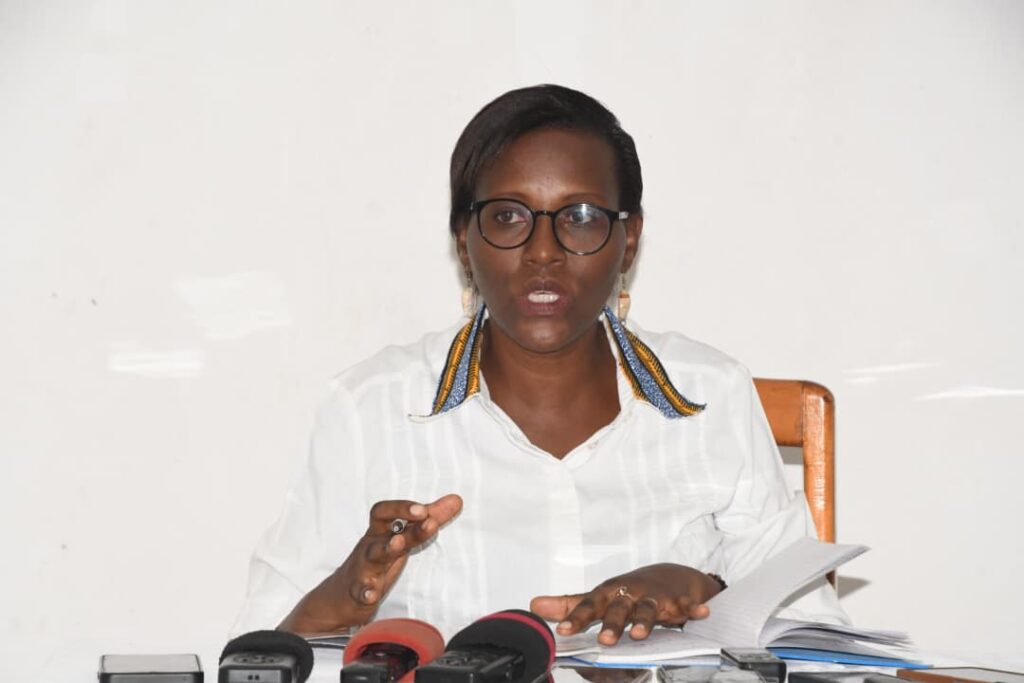
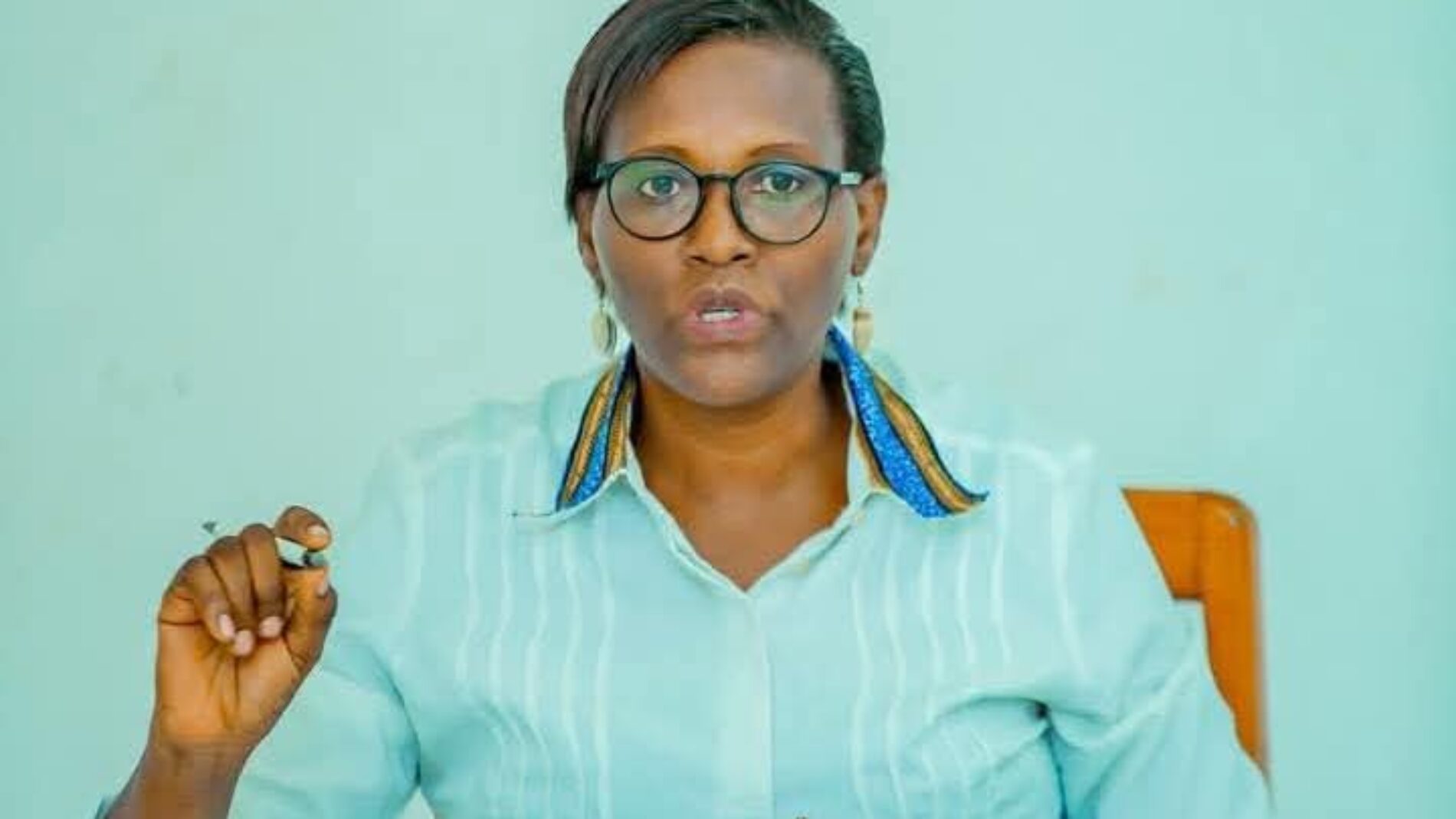
Mireille Kanyange, president of the Maison de la presse du Burundi, articulated the fundamental role of journalism, stating that "information is a public good." This assertion underpins advocacy efforts for enhanced media access and collaboration within the country, emphasizing that access to reliable information is essential for all citizens. The Maison de la presse du Burundi has actively promoted the necessity of non-discriminatory collaboration between governmental authorities and media professionals, seeking to foster a more open environment for news gathering and dissemination. This advocacy aims to ensure that all journalists, regardless of their affiliation, receive fair treatment and access to official sources.
These calls for improved relations come as President Évariste Ndayishimiye has previously acknowledged the media's significance. In February 2021, he declared "never without the media," a statement that resonated with media professionals as a sign of potential openness. On December 1, 2025, he further emphasized the press's importance in social transformation and development, recognizing its vital role in national progress. Despite these presidential statements, practical challenges persist for journalists on the ground. Ms. Kanyange specifically denounced the refusal of some officials to engage with journalists, particularly those affiliated with private media outlets, when seeking responses to inquiries. This selective engagement creates an uneven playing field and hinders the ability of independent media to provide full reporting.
The concentration of key institutions in Bujumbura, Burundi's economic capital, notes the importance of access for journalists. The city hosts United Nations agencies, diplomatic representations, and the central administration, making it a critical hub for information related to national and international affairs. However, without consistent cooperation from officials, reporting on these vital sectors remains difficult, limiting the public's understanding of important developments. The Maison de la presse du Burundi's advocacy seeks to bridge this gap, ensuring that the media can fulfill its public service role across all sectors, thereby contributing to a more informed citizenry and transparent governance.
Challenges and Future Outlook
Reporters sans frontières (RSF) estimates that Burundi's media environment continues to be fragile, grappling with significant challenges. These include restrictions on access to information, which impede journalists' ability to report comprehensively and accurately. Additionally, journalists face ongoing pressure, both overt and subtle, that can influence their reporting or lead to self-censorship. Economic difficulties faced by media outlets further exacerbate the situation, making it challenging for them to sustain operations and invest in quality journalism. Mireille Kanyange, president of the Maison de la presse du Burundi, emphasized the key role of the press, stating, "The journalist is not an enemy of the country, but an essential strategic partner in social transformation and economic and social development." This powerful statement seeks to reframe the perception of journalists from adversaries to indispensable collaborators in national progress.
The 2015 crisis period significantly impacted the media landscape, leaving a lasting legacy of repression and a diminished independent media sector. This era led to the destruction of several independent media outlets, effectively dismantling key pillars of free expression. The forced exile of approximately one hundred journalists further depleted the country's journalistic talent pool and expertise. This sustained repression against critical reporting created a chilling effect that continues to influence media operations today. Ms. Kanyange expressed regret over the discrimination encountered by several private media journalists, noting how some officials deny them access to information or treat them differently than state-affiliated media. She advocated for equitable access to information for all media professionals, showing the need for a unified approach to media relations that respects the role of all journalists in informing the public. Such equality of access is vital for fostering a truly pluralistic and independent media landscape in Burundi.