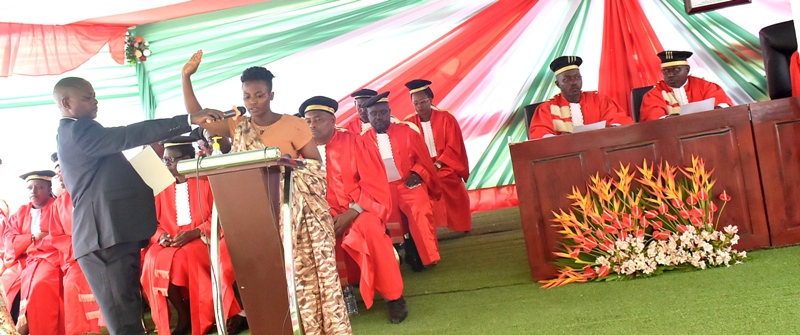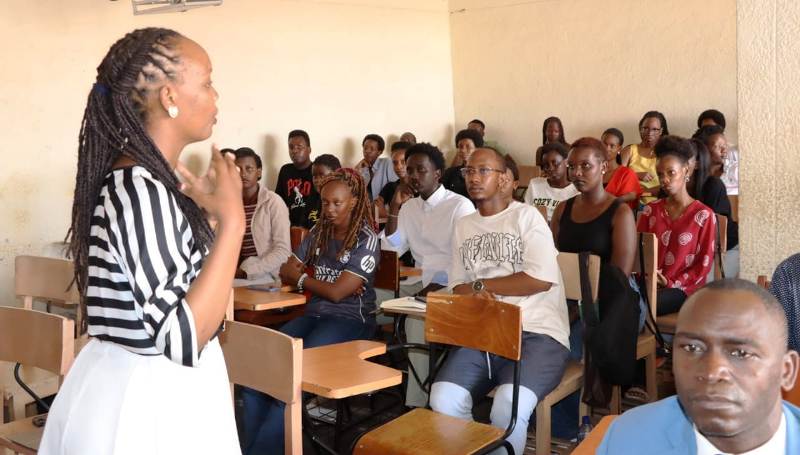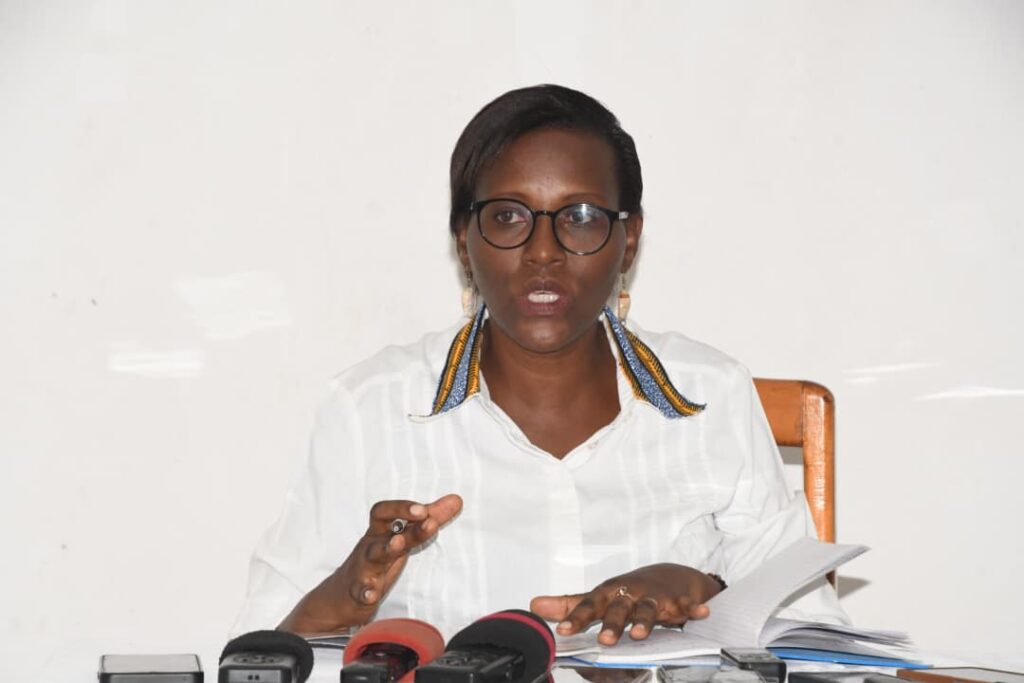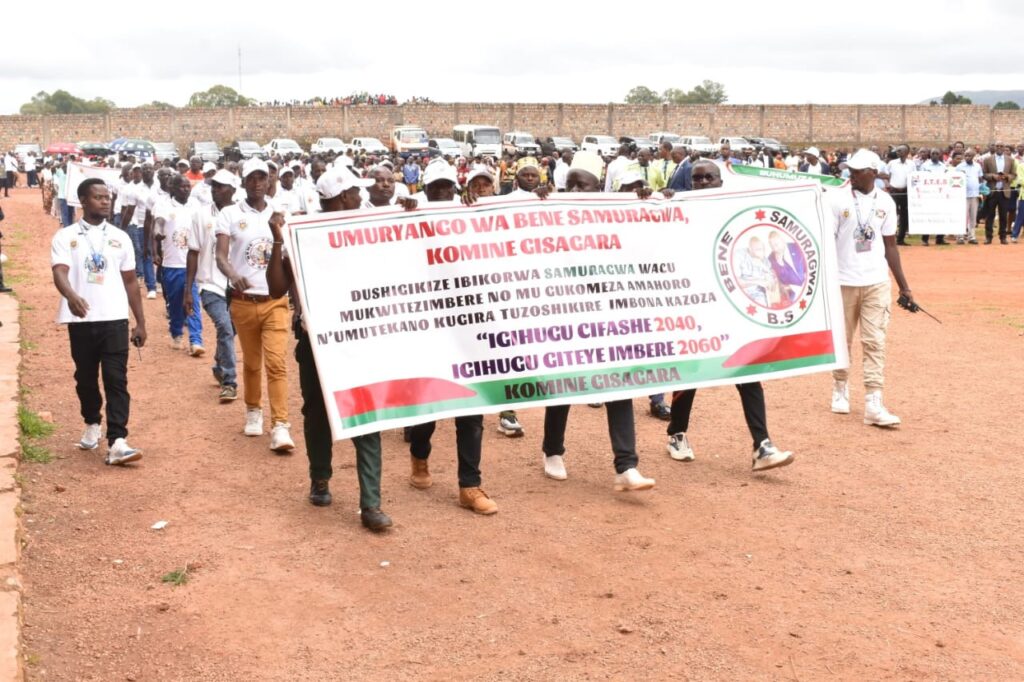
International Labour Day was celebrated on May 1st in Buhumuza province, Burundi, providing an occasion to interpellate employers regarding workers' rights and remind employees of their professional responsibilities. In Argentina, workers protested on Thursday against President Javier Milei's recent overhaul of labor protections. Cuba's foreign ministry held a gathering on Thursday, defying what it termed the US's "aggressions, threats, intensified blockade, and energy siege," with a mass rally and march expected Friday in Havana. Roads around Istanbul's Taksim Square were closed for marches, where demonstrators clashed with police, who reportedly used tear gas and water cannon. Authorities also closed some metro stations and major roads in Istanbul. May 1 marks International Workers' Day, also known as Labor Day, which originated in the US when workers protested for an eight-hour workday in the 1880s.
Buhumuza Celebration Focuses on Duties
In Buhumuza province, the International Labour Day celebration featured a lengthy parade of workers from various sectors and cooperative members. Daniel Gélase Ndabirabe, President of the National Assembly, attended the event with his wife. Mr. Ndabirabe stated the day "constitutes a privileged opportunity to challenge employers who do not respect workers' rights, but also to remind employees of their professional responsibilities." He emphasized "the importance of solidarity and social dialogue in the workplace," noting "these values favor conflict resolution and contribute to increased production."
The government is working to improve workers' living conditions. However, Mr. Ndabirabe added, "these advancements will only be effective if all workers redouble their efforts to increase production and lead the country towards sustainable development." He urged Burundians to "multiply entrepreneurial initiatives, promote innovation, and work with determination to build a strong economy," and called on workers to "produce more, both for export and to meet household needs, while strictly respecting laws." The festivities concluded with certificates awarded to the most deserving workers in Buhumuza province.
In contrast to the focus on duties in Burundi, Argentina's labor code, established in 1974, had provided generous protections and rights for workers but also increased business costs. Meanwhile, some demonstrations, such as those in Istanbul, Turkiye, resulted in scuffles with police. Local unions, including the Progressive Lawyers Association (CHD), reported that several demonstrators sustained injuries while being taken into custody.
Global Rallies and Union Demands
Workers are gathering in cities around the world to mark International Labour Day, with trade unions calling for solidarity and the protection of workers’ rights. The European Trade Union Confederation, which represents 93 trade union organizations in 41 European countries, stated, "Working people refuse to pay the price for Donald Trump’s war in the Middle East. Today’s rallies show working people will not stand by and see their jobs and living standards destroyed."
Demonstrations are taking place in South America, including in Chile, Bolivia, and Venezuela. In France, workers' unions called for protests in Paris and other cities using the slogan “bread, peace and freedom.” Fears of a global recession are looming over Labour Day rallies at a time when income inequality is growing. The Palestinian General Federation of Trade Unions reported that approximately 550,000 workers across Gaza and the West Bank have no income.
The International Trade Union Confederation found that at least four CEOs of major corporations each pocketed more than $100 million in pay and bonuses last year. Workers’ rights coalitions are calling for urgent action to curb extreme wealth. The US does not count May Day as a public holiday. However, an umbrella group known as May Day Strong has called for protests across the US under the slogan, “workers over billionaires,” with hundreds of demonstrations and marches planned nationwide.
Economic Pressures and Local Concerns
Concerns about the global economy, particularly the United States-Israeli war on Iran and rising energy costs, are impacting International Labour Day observances. In Gaza, Palestinian workers have canceled May Day events due to the economic crisis caused by Israel's war on Gaza and poor conditions on the ground. This year's Labor Day coincides with the Iran War causing rising energy costs and shrinking purchasing power for vulnerable populations and working classes worldwide.
May 1 is recognized as a public holiday in many countries, including Germany, where workers took to the streets in Berlin and other cities. German trade unions organized several hundred May Day rallies across the country. Unions in Germany rallied against planned government cuts to healthcare and social security benefits, advocating for the preservation of the eight-hour workday, secure pensions, and the introduction of higher taxes on the wealthy. Their slogan for the demonstrations was "Our jobs first, your profits second."
In Argentina, the General Confederation of Labor (CGT), the country's largest union group, marched to government headquarters downtown. The CGT stated its aim to "defend decent employment" against President Javier Milei's changes to the labor code. A union representative also raised concerns regarding the high cost of living, the need for stronger social dialogue, the effective implementation and valorization of retirees, the freedom of unions, and the ratification of international labor conventions.