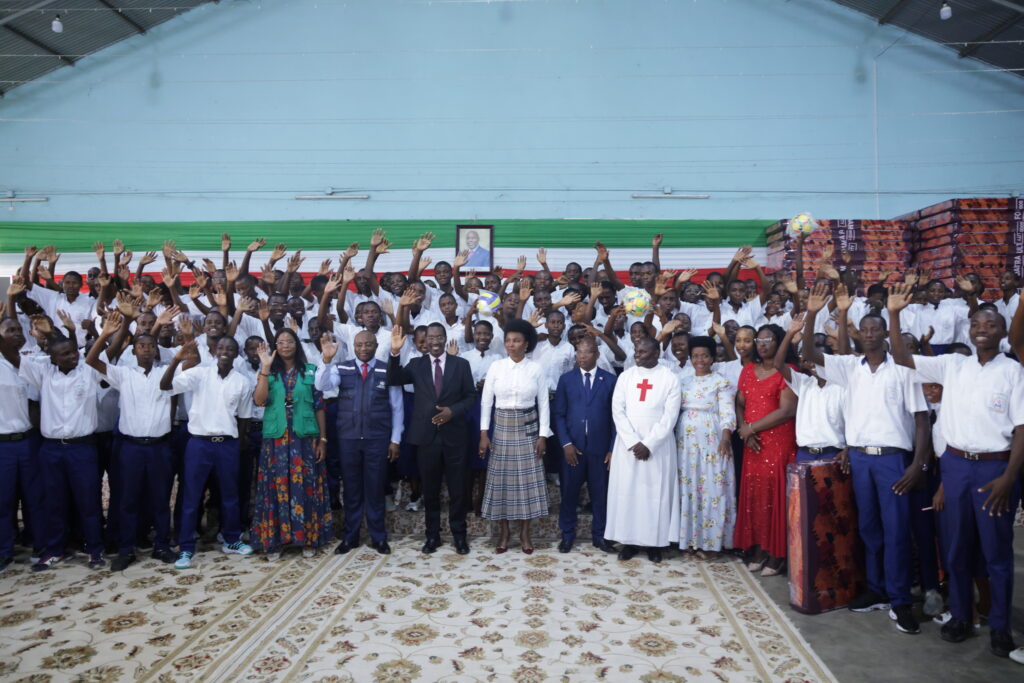
The Office of the First Lady for Development in Burundi (OPDD Burundi), in partnership with the Ministry of Public Health and the World Health Organization (WHO), organized a sensitization session on June 12, 2026, in Bujumbura. The event aimed to inform the public about adherence to health measures amidst ongoing epidemic threats. The activities took place specifically at Lycée Scheppers Nyakabiga in Bujumbura, bringing together key stakeholders to promote public health awareness in the capital city. This full session showed the critical need for vigilance and proactive health practices across the nation.
Epidemic Landscape and Health Minister's Warning
Since January, Burundi has recorded 1,312 cases of cholera, resulting in three deaths. The country has also reported 4,727 cases of Mpox, with one fatality attributed to the disease. These figures highlight the persistent challenges faced by the Burundian public health system. Fidèle Nkezabahizi, the Minister in charge of Public Health, stated that epidemics continue to pose a threat to the nation. Minister Nkezabahizi emphasized the government's commitment to mitigating these risks and called for collective action from all citizens. He further elaborated on the importance of community engagement in preventing the spread of these communicable diseases, noting that public cooperation is critical to safeguarding national health.
First Lady's Call to Action
Angéline Ndayishimiye, the First Lady of Burundi, urged the population to adhere strictly to barrier measures designed to prevent the spread of epidemics. She specifically called on citizens to respect these health protocols, which are key for containing outbreaks. The First Lady also advised citizens to avoid unprotected sexual relations as part of broader public health efforts, linking responsible personal conduct to overall community well-being. Ndayishimiye emphasized the importance of professional medical care for those exhibiting symptoms of these diseases. She specifically directed individuals to seek treatment directly at hospitals rather than consulting traditional healers, noting the need for evidence-based medical intervention and discouraging practices that might delay proper diagnosis and treatment. Her message showed the government's push for a coordinated response to ongoing health challenges, stressing individual responsibility in curbing disease transmission and promoting reliance on established healthcare facilities. This clear directive aims to ensure that all citizens receive appropriate and timely medical attention.
WHO and Education Ministry Emphasize School Safety
François Havyarimana, the Minister in charge of Education, urged school officials to organize sensitization sessions even during holidays to maintain public health awareness. Minister Havyarimana stressed that continuous education on health measures is vital, regardless of the academic calendar, to protect students and staff. Bah Keita, the acting WHO representative, noted that the region faces an increased threat from Ebola, in addition to persistent Mpox and cholera. Keita specifically noted the vulnerability of educational institutions, particularly given their role as communal environments. He stated that schools, especially boarding schools, are collective living spaces where diseases can spread rapidly if prevention measures are not respected. The emphasis on school safety shows the importance of continuous vigilance in educational environments, even outside regular academic terms, to prevent epidemic outbreaks and ensure the health of the student population. This proactive approach aims to create safer learning environments and prevent schools from becoming focal points for disease transmission.
Expert Insights on Regional Threats
While Ebola is not currently present in Burundi, the disease poses a regional threat due to its presence in the neighboring Democratic Republic of Congo. This proximity necessitates heightened vigilance and preparedness within Burundi's public health system. The ongoing situation in the Democratic Republic of Congo, a country sharing a border with Burundi, notes the potential for cross-border transmission of communicable diseases. Public health officials in Burundi are therefore monitoring regional developments closely to mitigate any potential spread, implementing strategies to detect and respond to any imported cases swiftly. Maintaining strong surveillance and rapid response capabilities remains a priority, particularly given the interconnectedness of border communities and the movement of people across national lines. This regional context shows the importance of adherence to health measures to prevent the introduction and spread of emerging and existing epidemic threats within Burundi's borders, safeguarding the health and well-being of its population. The collaborative efforts between national authorities and international partners like WHO are key in addressing these complex health challenges.