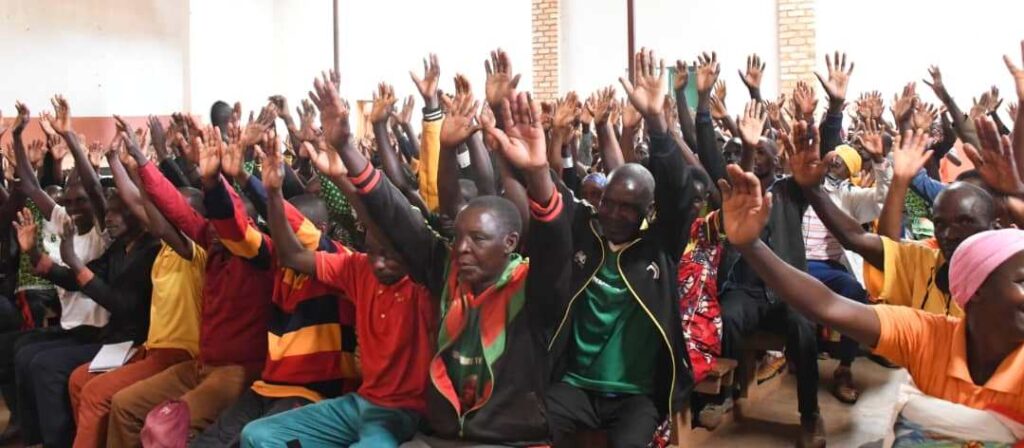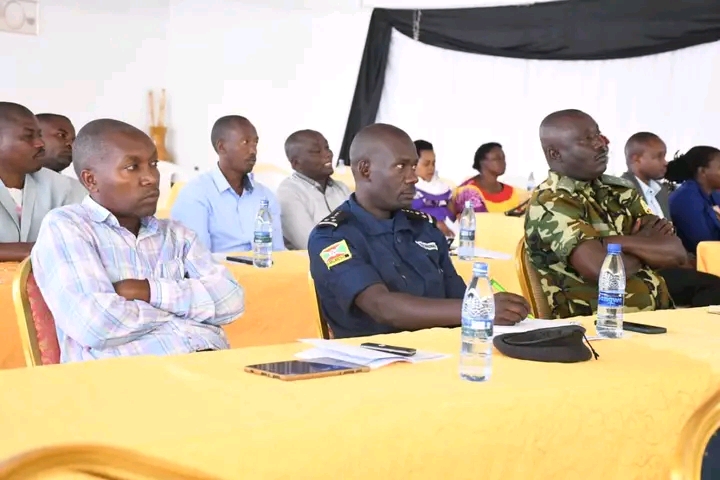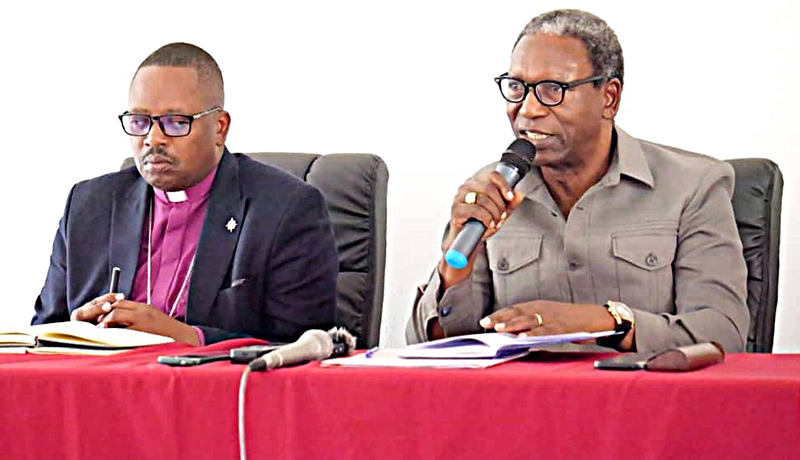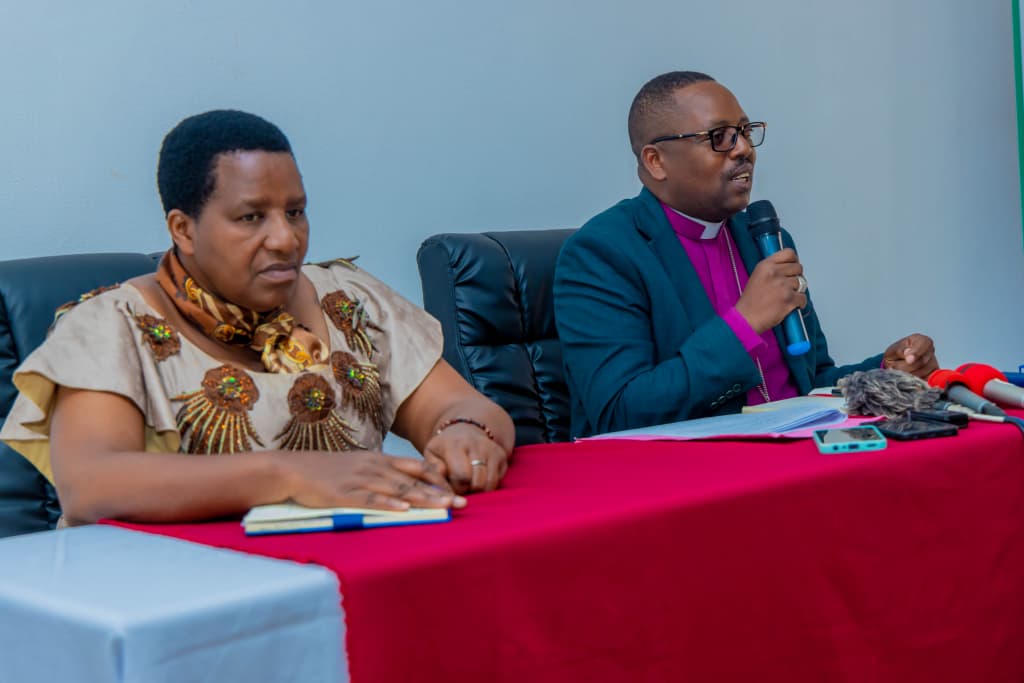
The Commission Vérité et Réconciliation (CVR) held a significant meeting with leaders of the Eglise pentecôte du Burundi on Friday, June 5, 2026. The engagement took place in Gitega, Burundi's political capital, showing the importance of the discussions. This interaction marks a continued and strategic effort by the CVR to involve various societal groups, particularly faith-based organizations, in its overarching reconciliation process. The meeting's primary focus was on the key contribution of Pentecostal leaders to the process of healing souls traumatized by the numerous crises that have affected Burundi throughout its history. This initiative notes the CVR's commitment to a holistic approach to national healing, recognizing the deep impact of past conflicts on the Burundian populace.
CVR's Mission and Scope
The Commission Vérité et Réconciliation (CVR) operates with a clear and vital mission: to seek truth about the tragedies that have profoundly marked Burundi's history and to actively promote national reconciliation. Its mandate includes researching historical events to shed light on periods of conflict and division, providing a full understanding of the nation's past. The commission's current investigative scope specifically focuses on events that occurred up to 1972, a period characterized by significant upheaval. Plans are, however, underway for this research period to be extended, ultimately encompassing incidents and periods of instability through 2008. The CVR's work aims to provide clarity on these complex historical chapters as part of its broader effort to rebuild social cohesion and foster lasting peace within the country. This extensive timeline reflects the CVR's dedication to addressing the full spectrum of Burundi's troubled past, ensuring that no significant period of conflict is overlooked in its pursuit of truth and reconciliation.
Role of Religious Leaders
The core objective of the gathering was to discuss the potential and indeed essential contributions of Pentecostal leaders to the healing process for individuals and communities affected by past crises in Burundi. Religious leaders, by virtue of their position and influence, carry a profound mission to teach and promote peace within both family units and broader Christian communities, according to statements made during the meeting. It was acknowledged that many congregants within churches continue to bear the emotional and psychological scars of historical events, making the role of spiritual guidance critical.
During the extensive discussions, religious leaders were earnestly urged to assist their faithful in overcoming these past wounds and in achieving inner peace through spiritual guidance and teachings. This accompaniment is considered vital for individual and collective recovery. Specifically, Pentecostal leaders received a call to sensitize their congregants who were involved in conflicts stemming from the 1972 tragedies. The aim was to encourage these individuals to pursue amicable settlements to their disputes, fostering a spirit of forgiveness and mutual understanding. The emphasis was placed on the unique and powerful position of religious institutions in facilitating reconciliation at the community level, leveraging their moral authority and close ties with the populace. The CVR recognizes that faith leaders are often the first point of contact for individuals grappling with historical trauma, making their involvement indispensable.
Pentecostal Church's Commitment
Leaders of the Eglise pentecôte du Burundi stated unequivocally that reconciliation forms a fundamental mission entrusted to them by God. They affirmed that reconciling people is not merely an auxiliary activity but an integral part of their ministry and spiritual calling. The church leaders reiterated their unwavering availability to contribute actively to the national reconciliation process, showing their deep commitment to peacebuilding efforts in the country. Their readiness to engage reflects a shared vision with the CVR for a peaceful and reconciled Burundi, building on their spiritual principles to address societal divisions.
Call for Formal Agreements
Pentecostal leaders received encouragement to contact the Commission Vérité et Réconciliation (CVR) to formalize agreements reached freely between individuals or groups. This initiative aims to ensure that reconciliatory resolutions among individuals are properly documented and recognized within the broader national reconciliation framework. The CVR emphasized the critical importance of formalizing these accords to solidify progress made at the community level and to acknowledge the efforts of those seeking peace. The call shows the commission's efforts to integrate grassroots reconciliation initiatives into its official mandate, thereby giving them official weight and recognition. This formalization process is seen as a key step in ensuring that individual acts of reconciliation contribute to a larger, more durable national peace.