Burundi is standing for re-election to the United Nations Human Rights Council on 13 October 2026. The nation is one of four African countries competing for four available seats on the 47-member council.
Human Rights Watch reports that there has been little tangible action by the Burundian government to address longstanding human rights concerns. Officials from the organization maintain that the current record of the state remains a significant point of contention regarding its continued tenure on the council.
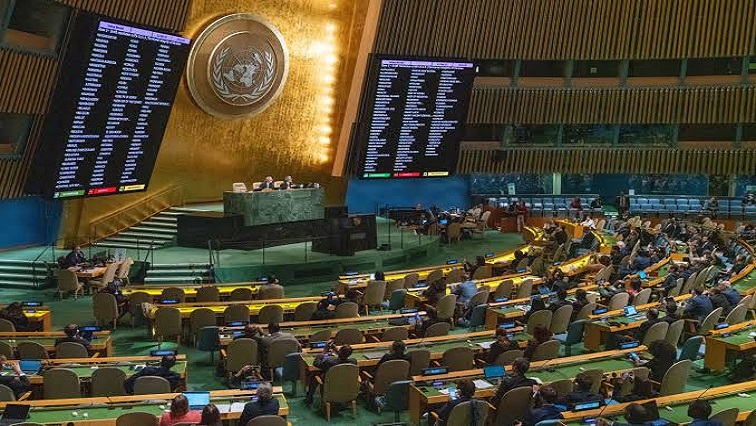
The upcoming election cycle for the United Nations Human Rights Council involves a specific distribution of seats allocated to regional groups. Burundi, as part of the African Group, is currently vying for one of the positions designated for the continent. The 47-member council is structured to ensure geographic representation, and the competition for these seats occurs within the framework of the United Nations General Assembly.
The 47-member council operates through a system of staggered terms, necessitating periodic elections to fill vacancies as they arise. Burundi is one of four African countries competing for four available seats on the 47-member UN Human Rights Council. Because there are four candidates for the four seats allocated to the African regional group, the selection process remains a focal point for international scrutiny regarding the body's membership standards.
Human Rights Watch has documented various aspects of the situation within the country, noting that the government's response to international calls for reform has been limited. The organization’s representatives have pointed to the necessity of evaluating state performance against the criteria established for council membership. These criteria include a commitment to the promotion and protection of human rights, both domestically and internationally.
The candidacy of Burundi has prompted discussions among member states regarding the integrity of the election process. As the 13 October 2026 date approaches, the focus remains on the requirements for membership and the responsibilities inherent in serving on the council. The 47-member council serves as the primary intergovernmental body within the United Nations system responsible for addressing human rights violations and promoting the protection of human rights globally.
For Burundi, the re-election bid represents a continuation of its participation in the council’s activities. However, the criticisms leveled by Human Rights Watch highlight the ongoing tension between the state's diplomatic objectives and the assessments provided by non-governmental organizations. These assessments are often cited by various stakeholders during the lead-up to elections, as member states consider the records of those seeking a seat.
The structure of the United Nations Human Rights Council, with its 47-member composition, is designed to balance the interests of different regions while maintaining a focus on human rights issues. Burundi’s role within this structure is now under review as the international community prepares for the vote. The outcome of the election on 13 October 2026 will determine the composition of the council for the subsequent term, influencing the direction of its agenda and its approach to global human rights challenges. The competition among the four African countries for the four available seats is a procedural element of the council’s governance, yet it carries significant weight in the context of the international human rights discourse.