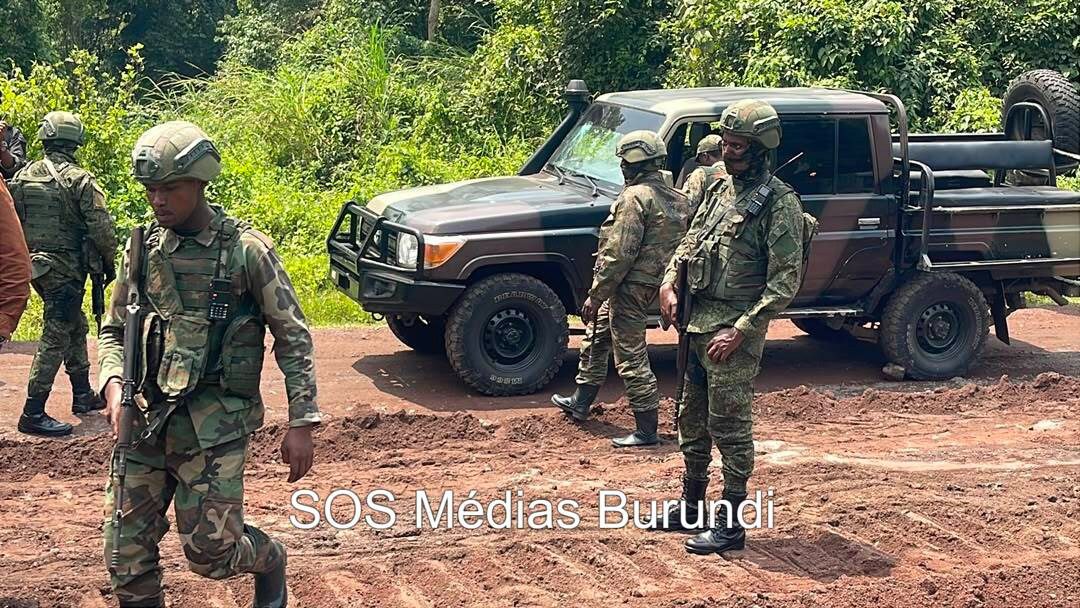
Governmental coalition forces retreated from positions in the Bijombo highlands within the Uvira territory of South Kivu on October 13, 2026. The withdrawal followed a series of drone attacks throughout the area that officials attributed to the AFC/M23. These aerial strikes forced the evacuation of defensive lines held by the coalition in the highlands, marking a shift in control over the territory. Military commanders reported that the loss of these positions occurred as the AFC/M23 utilized unmanned aerial vehicles to target tactical strongholds. The retreat leaves the coalition regrouping in neighboring sectors while the AFC/M23 maintains its presence in the newly captured highland zones.
The governmental coalition lost positions in the Bijombo highlands, Uvira territory, South Kivu, following drone attacks attributed to the AFC/M23. These tactical losses represent a significant change in the security landscape of the eastern provinces. The coalition forces, which had maintained a sustained presence in the highland corridor, were forced to abandon their fortified encampments as the aerial strikes persisted. The strategic importance of the Bijombo highlands has made the area a focal point for ongoing military engagements, leading to the current reconfiguration of forces.
Targeted Locations and Tactical Shifts
Aerial drone strikes focused on defensive positions situated in Magunda, Rubarati, Masango, and Ruhuha. These locations served as key points for coalition forces before the recent shift in regional control. The operations disrupted established supply lines and forced a reconfiguration of defensive postures across the Bijombo highlands. Attacks targeted positions in Magunda, Rubarati, Masango, and Ruhuha. By striking these specific nodes, the AFC/M23 effectively neutralized the defensive capabilities of the coalition, compelling a withdrawal to maintain the safety of remaining units.
Fidèle Rugabo, spokesperson for the Twirwaneho movement, confirmed that AFC/M23 and Twirwaneho forces regained control of Rubarati and Ruhuha. These movements moved into the areas following the retreat of coalition units from the highland sectors. Local commanders have not provided a timeline for potential counter-offensives in these specific zones. The rapid movement of these groups into the vacated positions notes the current volatility within the Uvira territory.
Recent clashes in the Masango region resulted in the deaths of seven Burundian soldiers. The encounter occurred as the forces engaged in the wider conflict throughout the Uvira territory. Reports indicate the soldiers were operating within the highland corridor when the engagement took place. Recent clashes in the Masango region reportedly resulted in the deaths of seven Burundian soldiers. This incident shows the intensity of the fighting currently occurring in the highlands.
The AFC/M23 movement previously seized Goma and Bukavu in early 2025. These territorial gains established a precedent for the group's current operational capacity in the eastern provinces of the République démocratique du Congo. The control of those urban centers remains a central component of the regional security environment. The current operations in the Bijombo highlands further demonstrate the expanded reach of the group since the events of 2025.