Bujumbura, Burundi's economic capital, is experiencing repetitive electricity cuts, impacting daily life and economic activity across various sectors. The frequent outages have become a significant concern for residents and businesses in the city, disrupting routines and hindering productivity. These widespread power cuts are observed throughout Bujumbura, leading to widespread frustration among the populace. This report was published on October 12, 2026, detailing the ongoing challenges faced by the capital as it grapples with an unreliable power supply. The situation shows a critical infrastructure challenge that is increasingly affecting the stability and development of the economic hub.
Economic Impact and Consumer Frustration
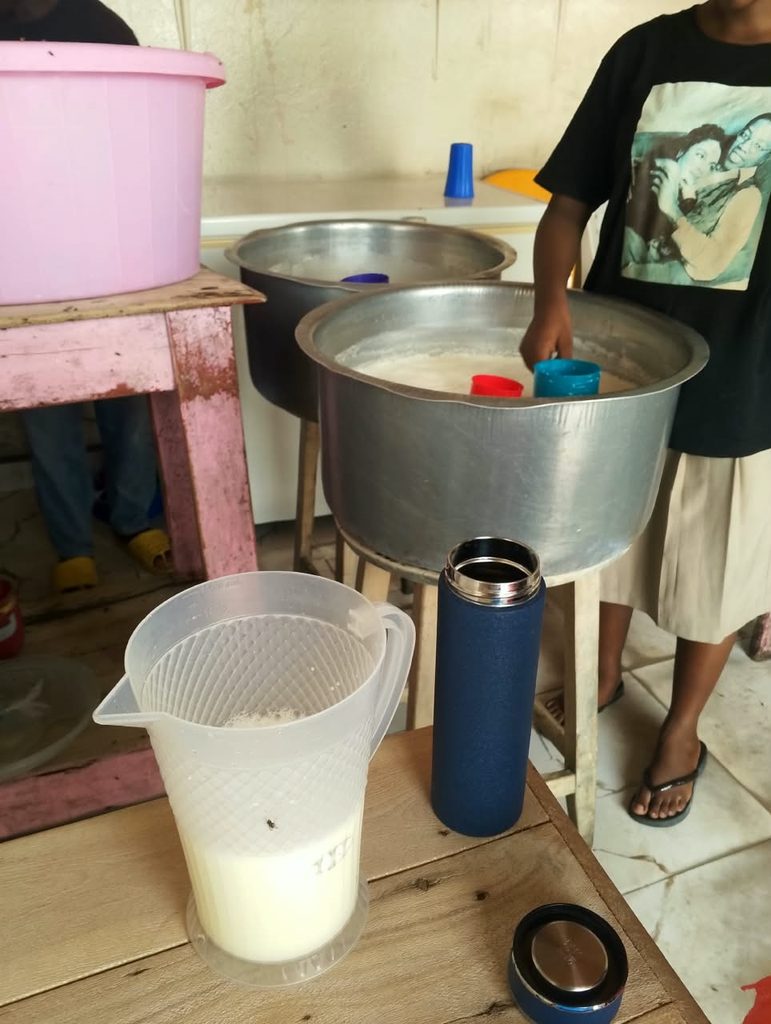
The impact of these power disruptions is felt acutely by both households and commercial enterprises. Interruptions can last several hours in a single day in Bujumbura, creating prolonged periods without power. When electricity does return, it is often only available for 10 to 20 minutes before another outage, making planning and consistent operations nearly impossible. This inconsistent supply has led to significant financial losses for local businesses, which rely heavily on a stable power source for their daily operations. The economic repercussions are tangible and immediate. For instance, a milk vendor reported losing over 300,000 FBu (Burundian Francs) after 60 liters of milk spoiled due to a full day without electricity, noting the direct financial strain on small businesses. Such incidents are not isolated, with many other enterprises facing similar challenges, from restaurants struggling to keep food fresh to workshops unable to operate machinery.
Noel Nkurunziza, Secretary General of Abuco (Association burundaise des consommateurs), described the situation with repetitive electricity cuts as abnormal. He stated that his organization believes there are other causes for the outages, especially considering newly constructed dams that were expected to improve the power supply. Nkurunziza remarked, "Au niveau de l’Abuco, nous pensons qu’il existe d’autres causes car avec ces barrages nouvellement construits, la situation ne serait pas la même avec les anciens barrages de Rwegura et Nyemanga. Il s’agit d’une question difficile à comprendre, c’est ainsi que la Regideso devrait nous fournir plus d’explications pour lever toute équivoque chez la population citadine." He emphasized that the state-owned utility company, Regideso, should provide more explanations to clarify the situation for the urban population, addressing the public's confusion and growing concerns. The consumer association's call for transparency reflects the widespread demand for answers regarding the persistent energy crisis.
Infrastructure and Generation Shortfalls
Burundi's power infrastructure includes recently constructed dams such as Rusumo Falls and Jiji-Murembwe, which operate alongside older facilities like Rwegura and Nyemanga. These new additions were intended to bolster the nation's energy capacity and provide a more reliable supply. Despite these efforts and the presence of both modern and established power generation sites, the country's installed power capacity stands at approximately 180 megawatts. This figure represents the maximum potential output of the entire power grid. However, this capacity is often underutilized, contributing significantly to the current energy deficit experienced in Bujumbura and across the country.
Several key hydroelectric plants are currently failing to provide adequate energy output due to insufficient water levels, a critical factor for hydroelectric power generation. Facilities including Kabu 16, Jiji-Murembwe, and Ruzibazi are operating below their potential, exacerbating the power supply issues. The reduced output from these critical generation sites directly impacts the availability of electricity across the capital, leading to the frequent outages. The combination of existing infrastructure and newer projects has not yet translated into a stable and sufficient power supply for the urban population, indicating a deeper problem beyond mere capacity. The reliance on hydroelectric power makes the system particularly vulnerable to environmental fluctuations.
Regideso's Explanation and Climate Concerns
Regideso, Burundi's state-owned utility company, faces a significant deficit between electricity demand and current generation capacity. The population of Bujumbura typically consumes 116 megawatts of electricity under normal circumstances, representing the standard energy needs of the economic capital. However, the current power generation has fallen dramatically, now standing at less than 70 megawatts. This substantial reduction in output is attributed to the impacts of climate change, specifically affecting water levels at key hydroelectric facilities. The decreased rainfall and altered weather patterns have severely constrained the ability of these dams to produce power at their designed capacity.
The shortfall creates a considerable gap of over 46 megawatts between the typical demand and the current supply, leading directly to the frequent and prolonged power outages experienced across the city. This disparity between typical consumption and current production notes the severe challenges Regideso faces in meeting the energy needs of the capital, particularly as environmental conditions become more unpredictable. The utility company is working to manage the crisis, but the underlying climatic factors present a complex and ongoing obstacle to ensuring a stable power supply for Bujumbura's residents and businesses.