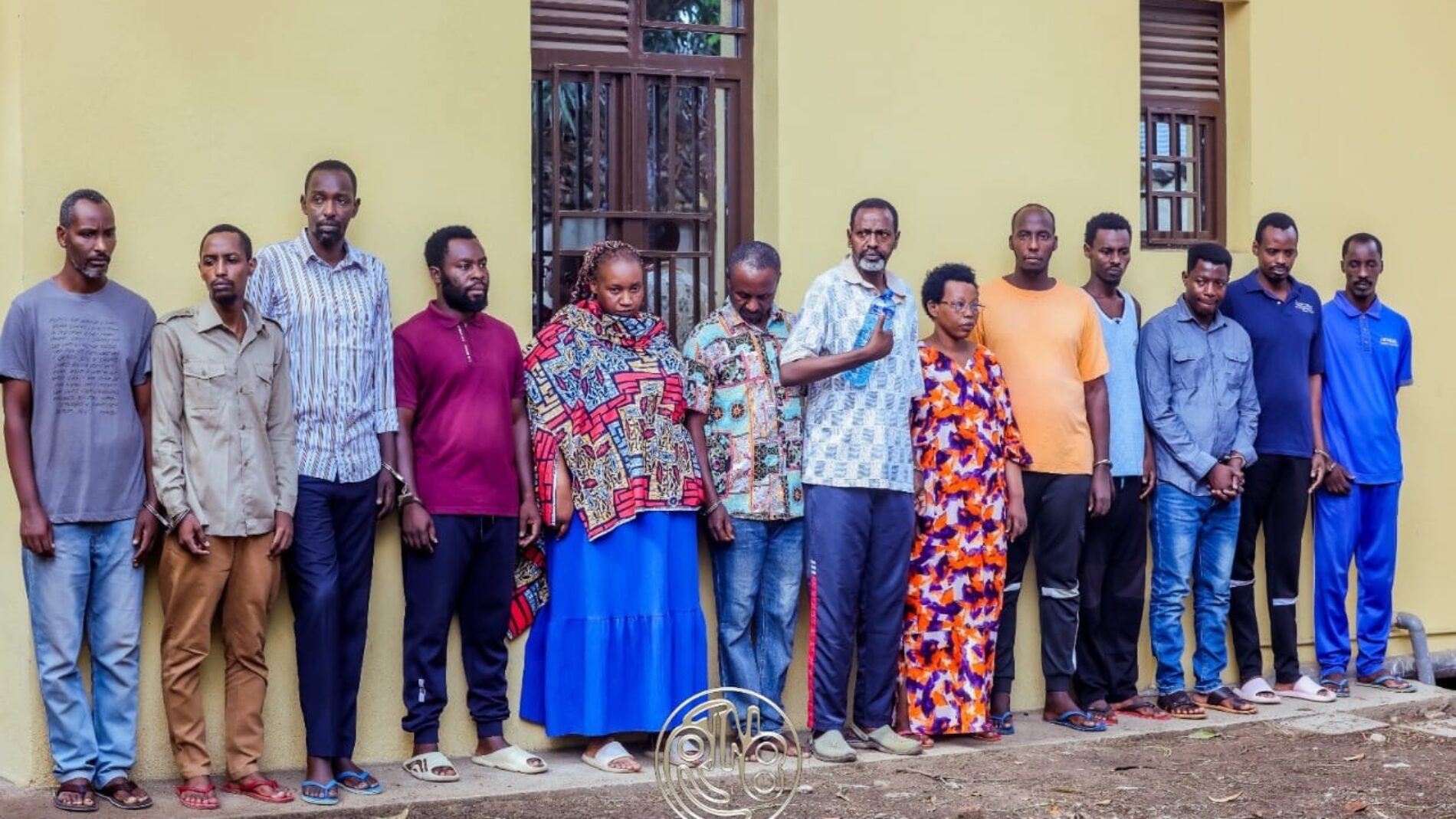
A chief of the hill and an agricultural monitor were violently assaulted on Wednesday, October 7, 2026, on the colline Kibimba, located in the commune of Musongati, Burunga province, in southeastern Burundi. The incident, which has drawn significant local attention, stemmed from an ongoing conflict between local farmers and fishermen over access and use of the Mukazye river. This dispute, rooted in the vital resource of water, escalated into physical violence against administrative officials attempting to mediate the situation. Following the assault, four individuals were arrested by police, with assistance from the local population. The individuals taken into custody have been identified as members of the CNDD-FDD party, adding a political dimension to the local conflict.
Escalation Over River Access
The underlying tension in the region revolved around the use of the Mukazye river, a key water source for both agricultural and fishing activities. Fishermen had constructed makeshift dams using branches and wood to retain water for fishing purposes in the Mukazye river. These rudimentary structures were designed to create pools suitable for their fishing methods, ensuring a more productive catch. However, these actions directly impacted the farming community. Farmers expressed significant concerns that these dams would obstruct the natural water flow, potentially leading to overflows or altering the river's course, which could damage their agricultural fields. The fear of crop loss and land degradation fueled the growing animosity between the two groups.
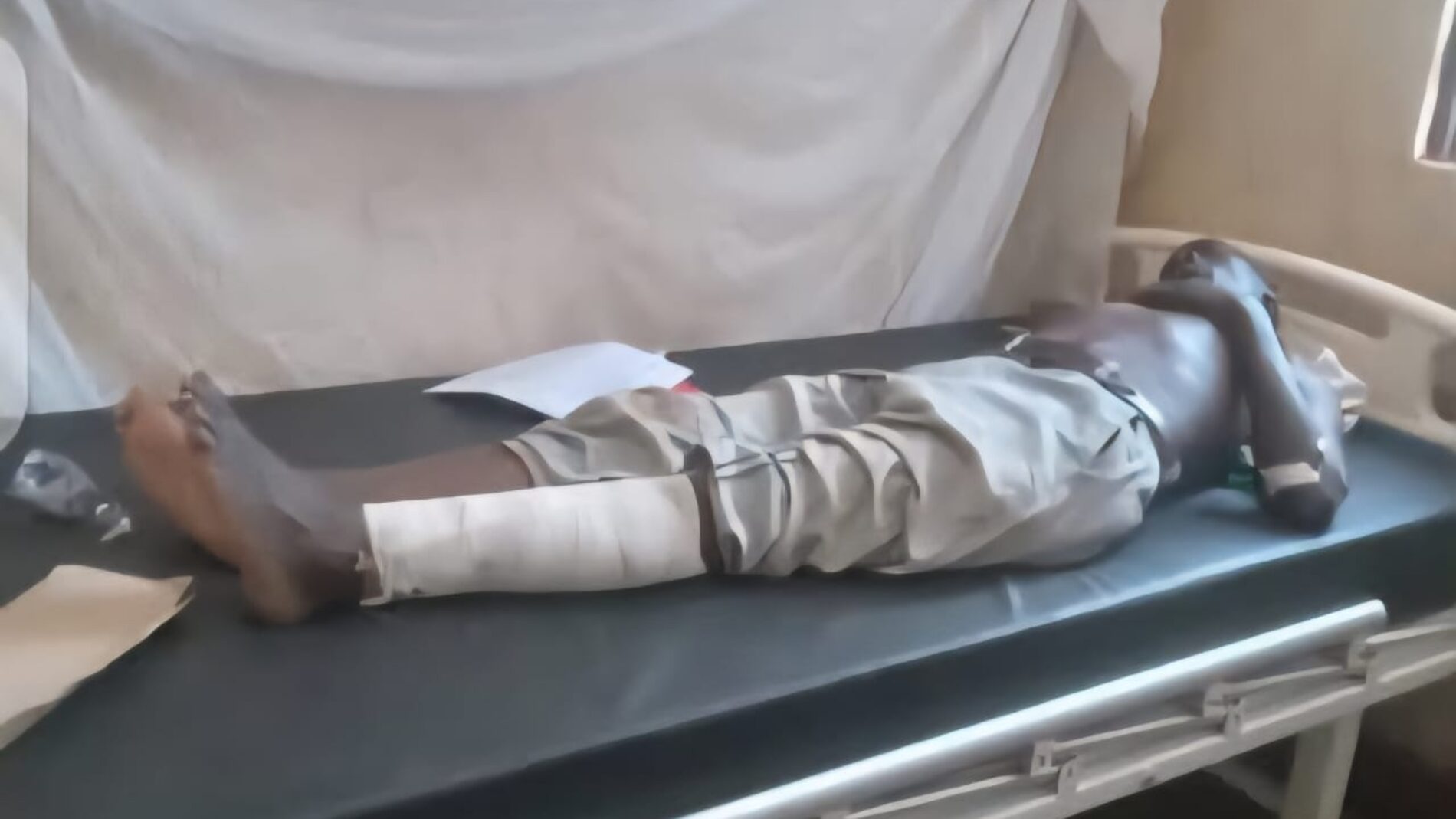
The chief of Mugombwa hill intervened around 11 AM on Wednesday to address the increasingly volatile situation, requesting fishermen to cease their activities and dismantle the dams. This administrative intervention, intended to de-escalate the conflict, unfortunately had the opposite effect. The interaction escalated, and the administrative official was subsequently beaten while attempting to halt the fishing activities. Jean Nyandwi, the agricultural monitor for Mugombwa hill, arrived to assist the chief, responding to the unfolding violence and the need for support for the administrative official. Mr. Nyandwi was also assaulted during the incident, sustaining multiple blows, including to his leg, which resulted in a fracture. The violence showed the deep-seated nature of the dispute and the challenges faced by local authorities in enforcing regulations.
The colline Mugombwa, where the chief and agricultural monitor primarily operate, is located in the Gakungu zone, while Kibimba, the site of the assault, is situated in the Butezi zone, both within the commune of Musongati, Burunga province. This geographical detail notes that the officials were operating within their administrative jurisdiction but in an area that proved hostile to their intervention. The incident on colline Kibimba brought to light the simmering tensions between communities dependent on the same natural resources.
Injuries and Delayed Care
Jean Nyandwi, the agricultural monitor, sustained a fractured leg during the assault, a severe injury that required immediate medical attention. He initially received treatment at Giharo hospital for his injuries, where medical staff provided preliminary care to stabilize his condition. Following this initial care, Mr. Nyandwi was transferred to Kibuye hospital, located in Gitega province, for further specialized medical attention. The decision to transfer him to a larger facility indicated the seriousness of his injuries and the need for more advanced treatment. The agricultural monitor, who had bravely stepped in to assist the chief, now faces a long recovery period.
The evacuation of Mr. Nyandwi from Giharo hospital to Kibuye hospital was reportedly delayed, adding to the distress of the situation. Reports indicate that the delay stemmed from significant transport issues, specifically demands for fuel and driver payment for the ambulance intended to transport him. Such bureaucratic and logistical hurdles in a critical medical emergency are a common challenge in remote areas. Due to these insufficient means and the reported transport complications, the injured monitor was allegedly transported on a regular motorcycle instead of an ambulance. This improvised and potentially dangerous mode of transport for a patient with a fractured leg notes the lack of adequate emergency services and the difficult circumstances faced by those in need of urgent medical care in the region. The incident raises questions about the preparedness and resources available for medical emergencies in Burunga province.
Arrests and Controversial Release
Following the assaults, the local police, with key assistance from the community, initiated an investigation and apprehended four individuals suspected of involvement in the violence. The arrested individuals were named Kabura, Niko, Nizigiyimana, and Emmanuel. These individuals were identified as members of the CNDD-FDD party, a detail that later became central to the controversy surrounding their release. Following their apprehension, authorities transported the suspects to the Kibimba hill police station, which is located in the Butezi zone, for processing and further questioning.
However, the four individuals were released from custody just a few hours after their initial arrest, a decision that sparked outrage and skepticism among the local population. This rapid release, despite the serious nature of the assault on two administrative officials, immediately raised questions about the impartiality of the justice system and potential political interference. Local sources claim that some of the suspects fled Burundi for neighboring Tanzania shortly after their release, further fueling suspicions of complicity and a deliberate attempt to evade justice. Testimonies from residents directly implicate the chief of Kibimba hill and a local official from the CNDD-FDD party in facilitating the rapid release of the detained individuals. These allegations suggest that political influence may have been exerted to prevent the suspects from facing legal consequences. Additionally, residents have expressed suspicions that certain administrative and political officials may have contributed to the ongoing dispute between farmers and fishermen, rather than working to resolve it, potentially benefiting from the prolonged conflict or using it for political leverage. These claims, if substantiated, point to a deeper problem of governance and accountability in the region.
Community Intervention and Aftermath
In the immediate aftermath of the violent assaults, residents intervened in the escalating dispute, successfully dispersing the individuals involved in the violence. This community action followed the assaults on the chief of the hill and agricultural monitor Jean Nyandwi, which occurred on colline Kibimba in the commune of Musongati. The intervention by local residents helped de-escalate the immediate confrontation between farmers and fishermen over access to the Mukazye river, preventing further violence. Their efforts were instrumental in the initial apprehension of four suspects, identified as members of the CNDD-FDD party, who were later controversially released from police custody.
The incident has left a lasting impact on the community, noting the fragility of peace in resource-scarce regions and the challenges of upholding law and order when political interests are involved. The fractured leg of Jean Nyandwi serves as a stark reminder of the violence, while the swift release of the suspects has eroded trust in local institutions. The ongoing conflict over the Mukazye river, exacerbated by the recent events, shows the urgent need for sustainable conflict resolution mechanisms and transparent governance to ensure justice and prevent future escalations. The community remains watchful, awaiting further developments and hoping for a fair resolution to the underlying issues that led to this violent confrontation.