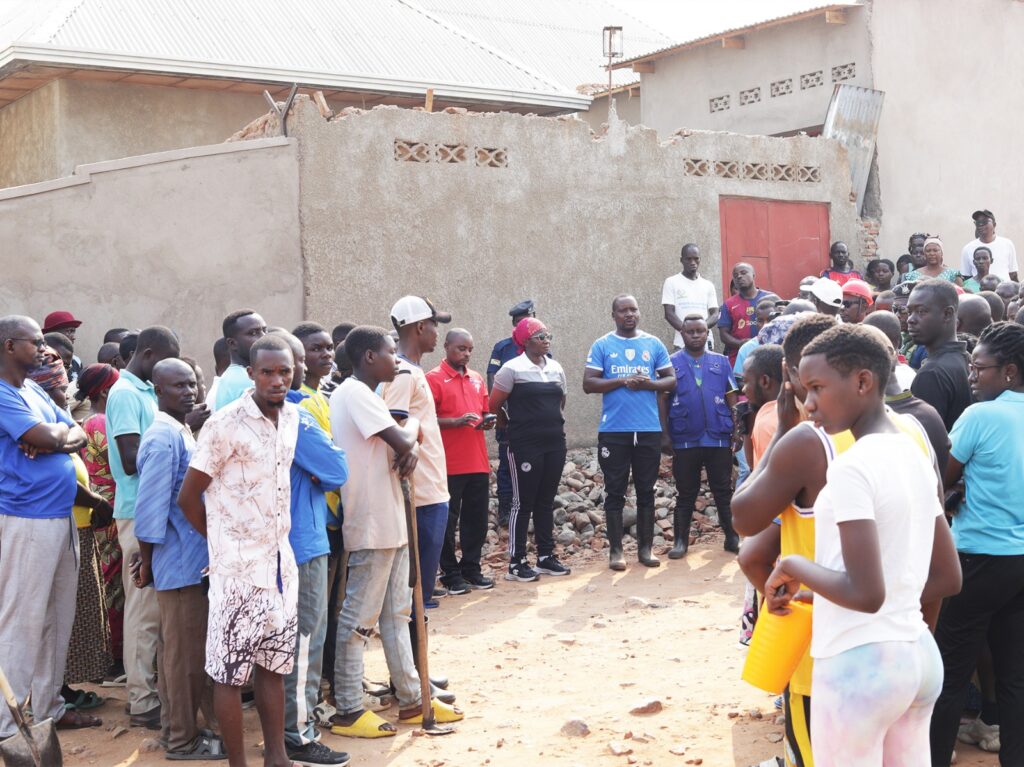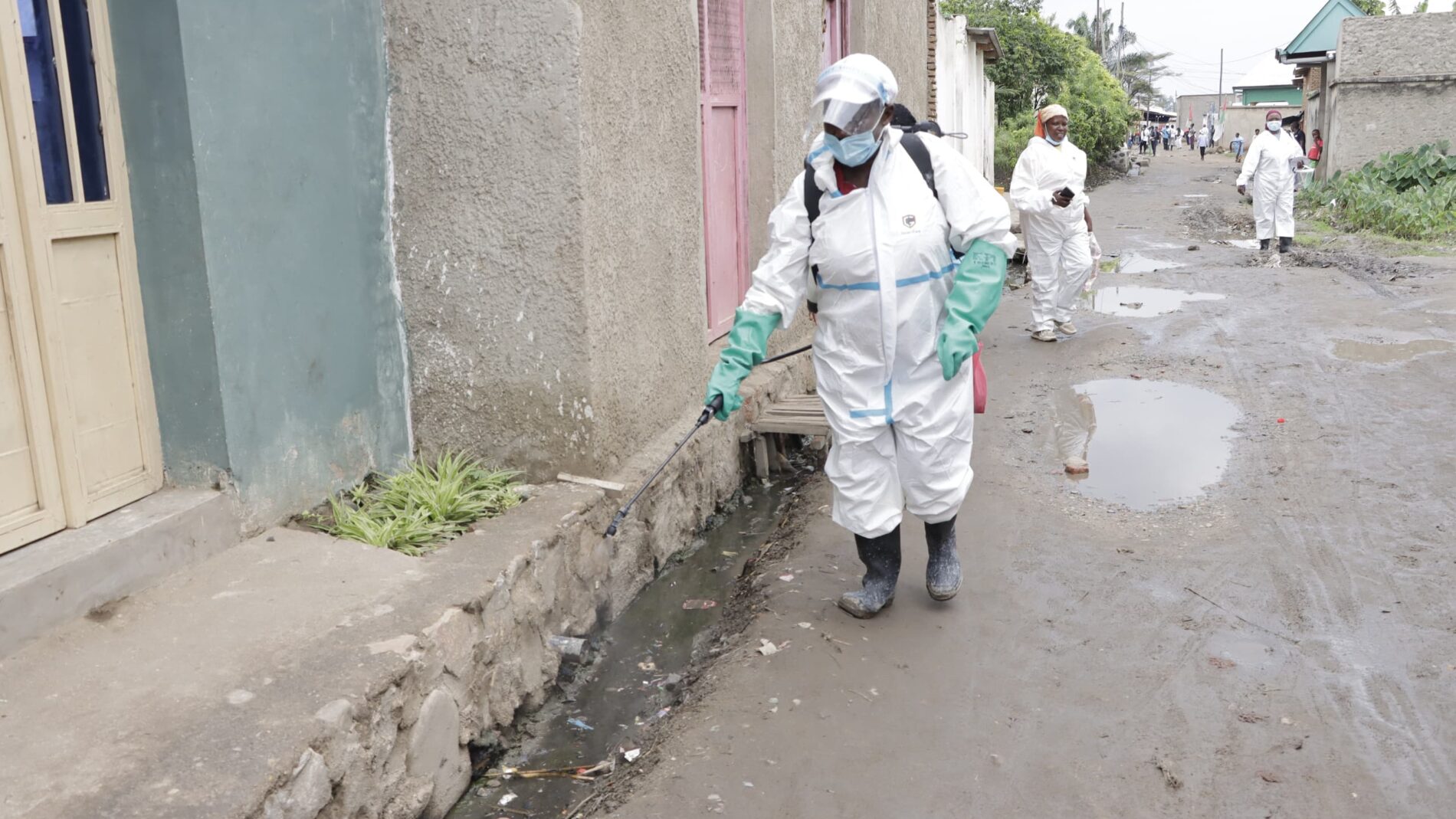
Burundi's Council of Ministers on Friday, July 17, 2026, expressed concern regarding the insufficient involvement of local administrative authorities in implementing hygiene and sanitation measures across the country. The Council specifically noted the lack of involvement of certain local administrative authorities in these key public health initiatives. In response, the Council recommended that these officials reinforce the enforcement of the existing ordinance on hygiene and sanitation. Jérôme Niyonzima, speaking on behalf of the government, specifically criticized and deplored the inadequate participation of communal administrators, zone leaders, neighborhood leaders, and hill leaders in overseeing agreed-upon measures. This pointed criticism shows the government's frustration with local governance bodies' contribution to public health efforts. The Council's move shows a push to ensure local governance bodies actively contribute to public health initiatives, recognizing their key role in grassroots implementation.
Government Mandates Weekly Controls
Jérôme Niyonzima, Secretary General and government spokesperson, announced that one day each week will be specifically dedicated to controlling hygiene and sanitation measures across Burundi. This initiative follows concerns raised by the Council of Ministers regarding local officials' involvement in public health efforts. The government plans to establish and publicize this weekly control day, enabling the application of sanctions against individuals and entities found not to be respecting current measures. A key aspect of this new directive is that the weekly control day will be set and announced to the public, allowing for the consistent application of sanctions against those who do not respect current measures. This aims to ensure compliance with hygiene standards across all sectors and levels of society. Public services identified as lagging in their adherence to cleanliness requirements are to be made aware of their deficiencies. The government expects these services to quickly comply with the established cleanliness requirements, reinforcing the broader initiative to improve sanitation nationwide and ensure that all governmental bodies lead by example.
Calls for Improved Waste Management
Jérôme Niyonzima further called on household waste collection companies to improve the execution of their responsibilities. The government’s appeal extends to these companies, urging them to better organize their operations and to eliminate conflicts of interest that have been observed. This directive forms part of a broader push to enhance public health and environmental standards across Burundi, recognizing that effective waste management is critical to overall hygiene. The administration is emphasizing the need for more efficient and structured waste management practices to complement the tightened oversight of local officials, aiming for a holistic approach to sanitation. The government expects these companies to streamline their services, ensuring a more effective collection and disposal of household waste, thereby addressing a significant contributor to environmental degradation and public health risks. This call for reform aims to address deficiencies in the current waste management system, which are seen as contributing to broader hygiene challenges. The focus on organizational improvements is intended to foster a more accountable and effective sector for waste collection, ultimately benefiting the entire population. The government's stance is clear: waste collection companies must organize themselves better, avoiding observed conflicts of interest that have hampered their efficiency and effectiveness.
Agenda 2063 and Sanitation Goals
The 2026 African Union theme, "Ensuring the sustainable availability of water and sanitation systems to achieve the goals of Agenda 2063," notes the continental focus on these critical areas. This theme shows the importance of Burundi's current efforts within a broader regional context. Agenda 2063, a long-term development strategic framework for Africa, was adopted in 2015 with the overarching aim of achieving an "integrated, prosperous and peaceful Africa." This ambitious framework sets out a vision for the continent's development over a fifty-year period. Within the water and sanitation sector, Agenda 2063 specifically targets sustainable access to essential services for all, recognizing water and sanitation as fundamental human rights and key for economic development. The framework also seeks to realize improved water resource management across the continent and calls for significantly strengthened sanitary infrastructure, aiming to build resilient and sustainable systems for future generations. Burundi's current drive to improve hygiene and sanitation aligns directly with these continental aspirations, positioning its national efforts as a contribution to Africa's wider development goals.
Comparison and Expert Skepticism
The government's resolve is evident in measures such as the fine of 300,000 Burundian francs imposed on a resident for failing to pave the private space providing access to the national road. This specific instance illustrates the practical application of regulations and the financial consequences for non-compliance. Despite these efforts, challenges hindering the government's initiatives remain significant, including the current state of road infrastructure, difficulties in local follow-up, and persistent waste management issues. These obstacles present considerable hurdles to achieving widespread and consistent improvements. The Burundian government's initiatives to clean cities and main roads are drawing comparisons to similar efforts in neighboring Rwanda, a country often lauded for its cleanliness and environmental policies. However, an environmental and sanitation expert questions whether the Burundian government will succeed in making the country as clean as Rwanda, citing the scale of the challenges. Some state services have not maintained the expected pace in hygiene and sanitation, particularly concerning conditions along road axes, indicating inconsistencies in compliance and noting the need for sustained effort and oversight across all government departments. The path to achieving its ambitious hygiene and sanitation goals appears to be a long and challenging one for Burundi, requiring persistent commitment and effective coordination across various sectors and administrative levels.