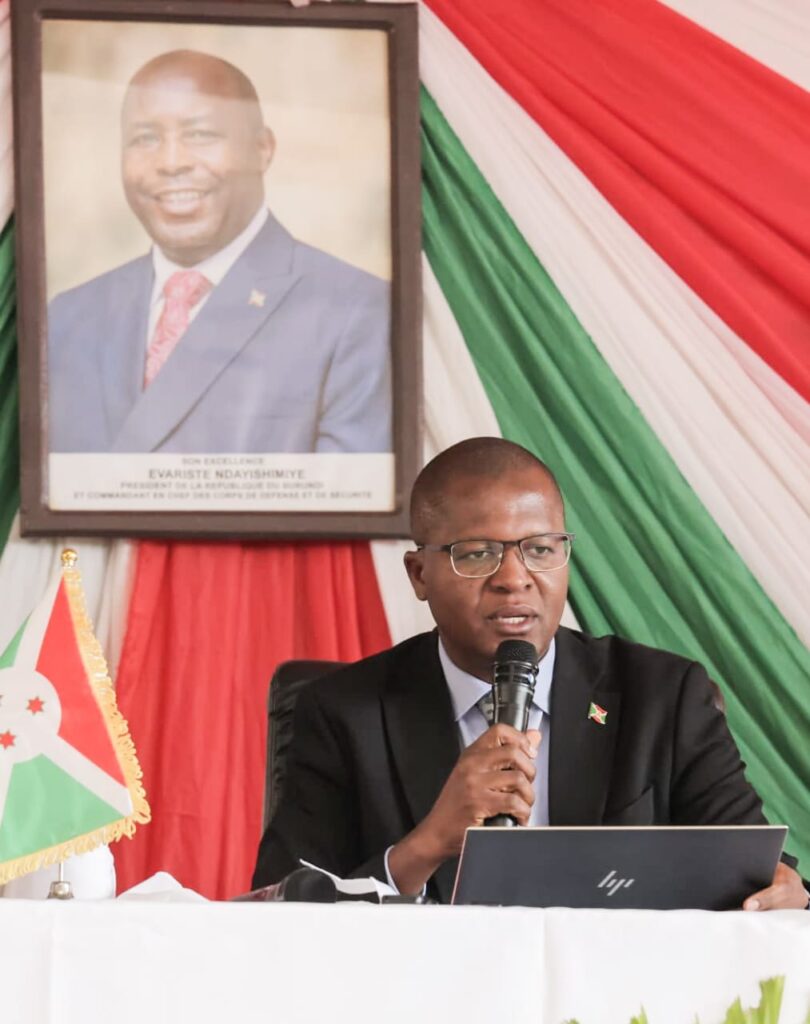
Prime Minister Nestor Ntahontuye convened a key meeting in Gitega on Tuesday, June 9, 2026, to address the alarmingly slow progress in school desk production across Burundi. The meeting noted that only a mere 3% of the overall school desk manufacturing objectives have been achieved to date, prompting an urgent call for significantly accelerated efforts from all responsible parties. Prime Minister Ntahontuye issued a clear directive, stating that all remaining school desks must be manufactured and subsequently delivered to schools nationwide before the critical deadline of August 15, 2026. Emphasizing the urgency and importance of this deadline for the nation's educational future, Prime Minister Ntahontuye firmly stated, "Les responsables doivent redoubler d’efforts pour que tous les bancs pupitres soient fabriqués avant le 15 août 2026." This statement shows the government's unwavering commitment to ensuring that students have adequate learning facilities in time for the upcoming academic year.
Urgent Call for Desk Production
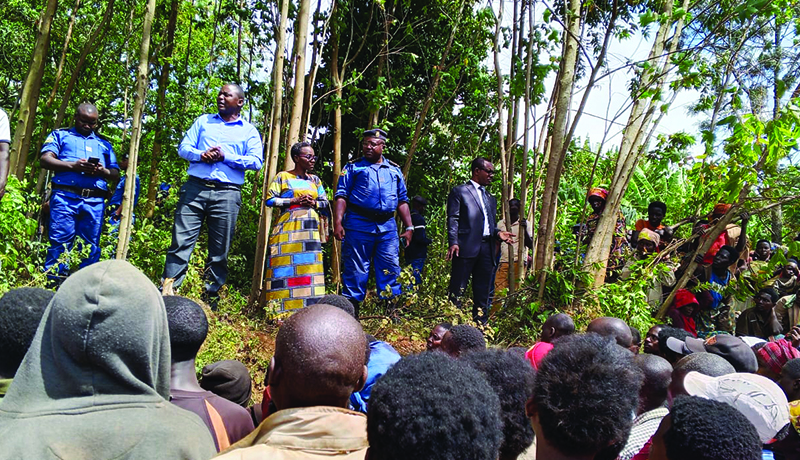
The high-level meeting, convened by Prime Minister Nestor Ntahontuye in Gitega, brought together a full range of key officials. Attendees included provincial and communal administrators from across the country, alongside various government members, reflecting the broad scope and importance of the issues discussed. A primary focus of the discussions was the ambitious national objective to manufacture a total of 338,119 school desks. This specific target is designed to meet the identified nationwide need for educational infrastructure, noting the significant scale of the initiative aimed at improving learning conditions across all regions of Burundi. The Prime Minister's firm stance on the August 15 deadline aims to galvanize efforts and ensure the timely completion of this vital project.
Beyond the immediate and pressing concern of school desk production, the meeting also delved into broader community responsibilities and environmental stewardship. A significant directive was issued, requiring every household across the country to establish compost pits and contour lines in their agricultural fields, specifically during the dry season. This measure is not merely a suggestion but a mandatory requirement, intended to promote sustainable land management practices, combat soil erosion, and ultimately enhance agricultural productivity within communities. The government's strong emphasis on these environmental requirements indicates a full and multi-faceted approach to national development, extending well beyond educational infrastructure to encompass critical areas of environmental stewardship and agricultural sustainability at the household level, ensuring a holistic improvement in living standards and ecological health.
Forest Sales Revenue
In a related development concerning national resources and funding, revenue generated from the sale of state forests has significantly surpassed the 1.5 billion FBu mark. The total amount accumulated from these sales currently stands at 1,529,000,000 FBu. This substantial income has been generated through the felling of state-owned forests located across various parts of the country. To achieve this revenue, over 1,000 hectares of state forest have been identified and designated for felling, contributing directly to the nation's revenue generation efforts. The funds obtained from these sales are earmarked to support a variety of government initiatives and development projects, including, potentially, the key accelerated production of school desks. The considerable scale of forest felling shows the government's strategic approach to utilizing its natural resources as a means to fund essential development projects and improve public services.
Hygiene and Land Protection
Discussions during the extensive meeting extended significantly beyond the immediate issue of school desk production to encompass several other critical government priorities. These included the intricacies of the new administrative reform, the valorization of state forests as a national asset, and critical issues of public hygiene and sanitation. The protection of arable land, a vital resource for the nation's food security, was also a key agenda item, reflecting a broader focus on environmental stewardship and public health. To reinforce the importance of these measures, authorities explicitly stated that stringent sanctions would be applied to individuals found violating established hygiene and sanitation regulations. This shows the government's unwavering commitment to enforcing these measures to safeguard public health and maintain environmental cleanliness. The full and interconnected nature of these discussions indicates a holistic and multi-faceted approach to national development and ensuring the well-being of all communities across Burundi.
Administrative Reform Context
As an integral part of the ongoing administrative reform process, a significant step was taken with the distribution of a total of twelve computers to local government entities across the nation. In a move designed to ensure equitable distribution and enhance local administrative capabilities, each of Burundi's seventeen provinces received one computer. This strategic distribution aims to significantly enhance administrative capacity, streamline operations, and provide essential support for digital initiatives at the provincial level. The provision of these modern technological resources is specifically intended to improve data management, facilitate communication, and generally streamline administrative operations across the country's diverse administrative divisions. This move aligns perfectly with the broader government efforts to modernize public services and upgrade essential infrastructure, thereby fostering greater efficiency and transparency in governance.