Burundi's government officially validated its second Voluntary National Review (VNR) report on the implementation of the Sustainable Development Goals (SDGs). The validation occurred as the nation assesses its efforts towards the 2030 Agenda, marking a key step in its ongoing commitment to global sustainable development targets. This full review process provides an updated snapshot of the country's trajectory since its initial assessment.
The second report is designed to measure the progress made since 2020, identify existing gaps in SDG implementation, and propose mechanisms to accelerate achievement of the goals by the 2030 deadline. This framework aims to provide a clear picture of Burundi's trajectory and the challenges that remain in its sustainable development journey. It serves not only as an internal assessment tool but also as a document for international scrutiny and collaboration, noting areas where support and strategic interventions are most needed to ensure the nation remains on track to meet its ambitious objectives.
Progress and Setbacks Identified
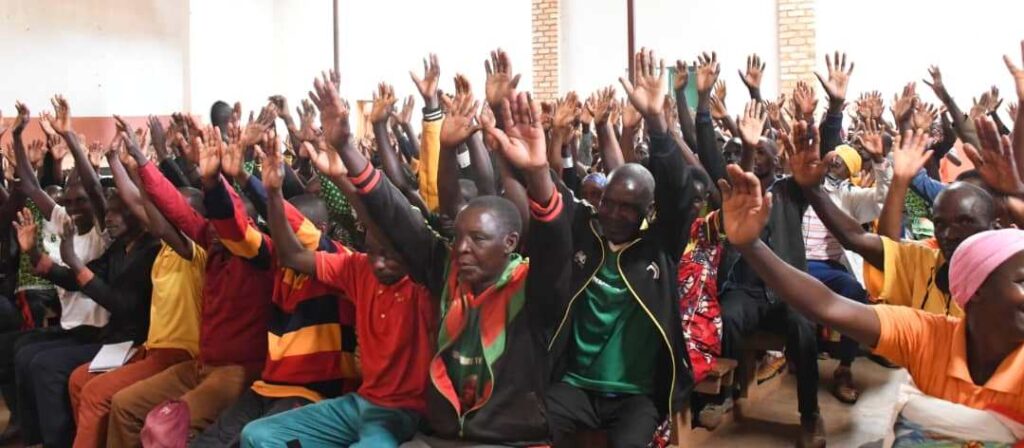
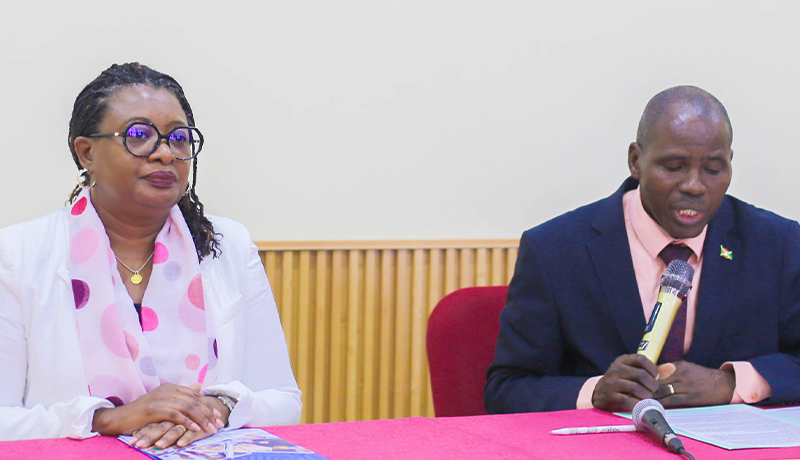
The validation workshop for Burundi's second Voluntary National Review (VNR) report took place on Tuesday, June 2, 2026, in Bujumbura. This significant event brought together various stakeholders to review and endorse the findings. The report's conclusions indicate that 49% of the Sustainable Development Goal (SDG) targets have shown an improvement in performance. This positive trend shows the dedicated efforts made by the government and its partners in various sectors over the past few years.
Conversely, the report also notes areas requiring urgent attention. It notes that 12% of SDG targets are experiencing deterioration, indicating a regression in certain development indicators. Another 4% of targets have stagnated, showing no significant change or improvement since the previous review. Despite these challenges, significant progress has been observed in several key areas. These include peace, partnerships, education, health, and social inclusion, according to the report. The advancements in these critical sectors demonstrate targeted interventions and policy implementations yielding positive results for the Burundian population. The improvements in peace and partnerships are particularly noteworthy, as they form the bedrock for stability and collaborative development efforts essential for achieving all other SDGs. The strides made in education and health reflect investments in human capital, aiming to enhance the well-being and future prospects of citizens. Similarly, progress in social inclusion points to efforts in reducing inequalities and ensuring that all segments of society benefit from development initiatives.
Challenges Hindering Development
The workshop was organized by the Primature with support from the United Nations Development Programme (UNDP) and other partners. These included various technical and financial contributors, showing the collaborative nature of Burundi's SDG implementation efforts. The report notes significant challenges related to data availability, which profoundly impacts the full assessment of SDG progress. This issue is a critical barrier to accurate monitoring and evidence-based policy-making. Out of 116 indicators selected by Burundi to monitor its Sustainable Development Goals, only 52 indicators, representing 44.8%, have data available at least once within the period stretching from 2010 to 2024. This significant gap in data coverage makes it difficult to track long-term trends and measure the effectiveness of interventions over an extended period.
The scarcity of current statistical data further complicates the monitoring efforts. For the year 2024, only 9.4% of the chosen indicators are covered by available statistical information. This limited data coverage presents a substantial hurdle for accurately tracking real-time progress and identifying areas requiring immediate intervention for the 2030 Agenda. The inability to access up-to-date information on a majority of indicators means that policy decisions might not always be informed by the most current realities on the ground, potentially leading to less effective strategies. Burundi initially presented its first Voluntary National Review report in 2020, establishing a baseline for its SDG implementation efforts and providing the initial framework for its national development aspirations. The current report seeks to build upon that initial assessment, identifying both achievements and persistent obstacles. The ongoing data gaps are a critical area for improvement as the country continues its work towards the global development targets. Addressing these statistical shortcomings is critical for Burundi to effectively measure its progress and adapt its strategies towards achieving the SDGs.
Consultations and Data Collection
The analysis for the report incorporates data from the National Institute of Statistics of Burundi (INSBU) and the General Census of Population, Housing, Agriculture, and Livestock (RGPHAE). These authoritative sources provide foundational information for assessing progress on the Sustainable Development Goals, offering a strong statistical basis for the report's conclusions. To gather diverse perspectives and ensure inclusivity, provincial consultations were conducted across Burundi from March 30 to April 7, 2026. These consultations aimed to incorporate local insights and experiences into the report's findings, recognizing that grassroots perspectives are key for a holistic understanding of development challenges and successes.
A specific consultation was also organized for children and youth, allowing them to contribute their perceptions and recommendations regarding SDG implementation. This initiative shows Burundi's commitment to intergenerational equity and ensuring that the voices of future generations are heard in the national development discourse. Their input provides valuable insights into the long-term sustainability of current policies and the specific needs of younger populations. Burundi began aligning its national planning instruments with the SDGs starting in 2016, through the revised National Development Plan (PND) 2018-2027. This strategic integration shows the country's commitment to the global development agenda, embedding the SDG framework directly into its national policy and budgetary allocations. This alignment ensures that national priorities are directly linked to the global goals, fostering a coherent and coordinated approach to sustainable development across all government sectors. The PND 2018-2027 serves as a guiding document, translating the broad ambitions of the SDGs into tangible national objectives and actionable strategies.
Expert and Partner Perspectives
Burundi's second Voluntary National Review report is scheduled for presentation at the United Nations High-Level Political Forum on July 30, 2026. This international platform will provide Burundi with an opportunity to share its progress, challenges, and lessons learned with the global community, fostering dialogue and potential partnerships for further support. Data gaps remain a significant challenge, with 35% of Sustainable Development Goal targets still unevaluable due to insufficient statistical information. This substantial percentage notes the urgent need for investment in strengthening the national statistical system to ensure full monitoring capabilities.
The report notes several hurdles that impede SDG achievement, including budgetary constraints, which limit the scope and scale of development interventions. The country's vulnerability to climate change poses another significant threat, impacting various sectors such as agriculture, water resources, and public health, often reversing hard-won development gains. A heavy reliance on subsistence agriculture further exacerbates economic vulnerabilities and food insecurity, making the population susceptible to environmental shocks and market fluctuations. Additionally, territorial disparities, marked by uneven distribution of resources and development opportunities across different regions, and shortcomings within the national statistical system were identified as key factors impeding progress. These systemic issues require sustained and coordinated efforts to overcome. The final report, integrating various recommendations derived from the national consultations and expert analyses, will be submitted to the United Nations on July 30, 2026. This submission marks the culmination of a rigorous review process and sets the stage for Burundi's continued engagement with the international community in its pursuit of the Sustainable Development Goals by the 2030 deadline.