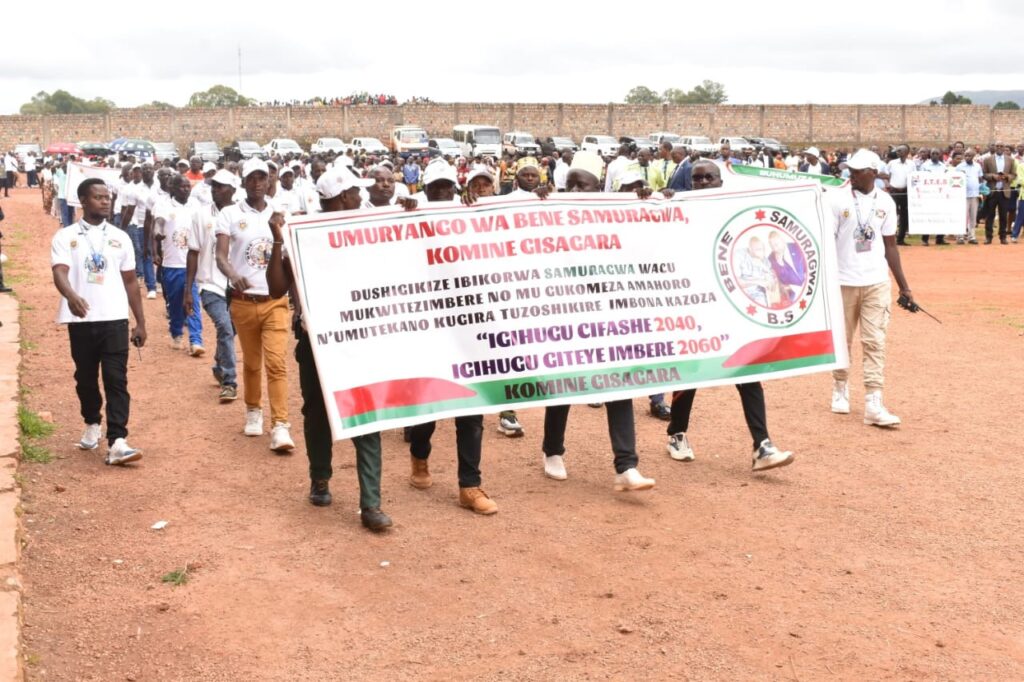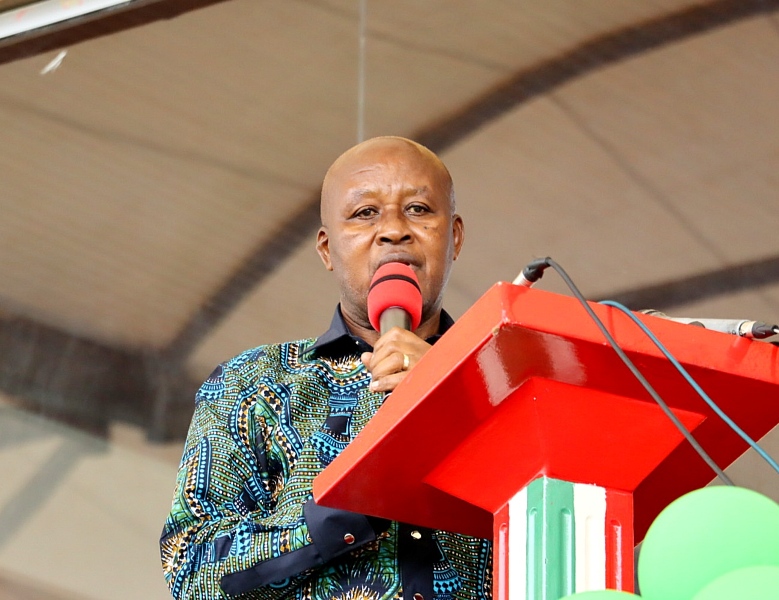
International Labour Day was celebrated on Friday, May 1, 2026, at the Intwari Stadium in Bujumbura, where Vice-President Prosper Bazombanza addressed workers. The celebration of International Labour Day and workers was a significant event for the nation. The festivities included a long parade of workers representing various sectors, showcasing the diversity and strength of Burundi's workforce. During his address, Vice-President Prosper Bazombanza emphasized the need for diligent and patriotic workers, stating, "Nous avons besoin des travailleurs courageux et patriotes qui se donnent corps et âme pour le développement du pays." This statement showed his administration's focus on national commitment and dedication. He further noted work as fundamental to national progress, declaring, "Le travail est le pilier du développement et de notre dignité," thereby positioning labor as a cornerstone of both economic advancement and national pride. Vice-President Bazombanza also urged businesses and consumers regarding electronic invoicing, stating, "Nous demandons avec insistance aux commerçants qui ont déjà obtenu des machines à facturation électronique de les utiliser correctement et aux clients de toujours solliciter les factures électroniques, après chaque achat." This directive aimed to foster greater transparency and efficiency in commercial transactions.
Presidential Vision for Development
Vice-President Prosper Bazombanza outlined a full vision for national development, emphasizing that love of country should manifest through several key actions. These actions included respecting the law, diligent work, prioritizing the national interest, and preserving peace and security. He elaborated that true patriotism was not merely an abstract concept but a tangible commitment demonstrated through these daily practices. He also stressed the importance of strengthening national unity, protecting the environment, actively fighting corruption, and ensuring timely tax payments. According to Bazombanza, these elements collectively contribute to the nation's progress and stability, forming the bedrock of a prosperous and harmonious society. He noted that these combined efforts would not only bolster the economy but also reinforce the social fabric of Burundi.
Bazombanza also addressed economic practices, insisting on the effective use of electronic invoicing machines by merchants. He urged consumers to consistently request electronic invoices after every purchase, noting the importance of transparency and proper financial documentation within the economy. This directive aims to streamline commercial transactions and enhance revenue collection, thereby ensuring that economic activities are conducted fairly and contribute appropriately to national coffers. The Vice-President stressed that this measure was key for modernizing the economy and combating informal practices that could hinder growth.
The Vice-President called on all citizens to professionally utilize their talents and skills. He stated that this application of individual capabilities is key for both personal advancement and national development, showing the belief that every Burundian has a role to play in the country's future. Bazombanza also urged for increased production across all sectors, viewing it as a direct path to fostering economic growth and prosperity for Burundi. He emphasized that enhanced productivity in agriculture, industry, and services would reduce dependency on external markets and build a more self-reliant economy. This focus on domestic production was presented as a key strategy for sustainable development.
Union Leader's Demands and Hopes
Evariste Nibigira, representing the Confédération des syndicats du Burundi (Cosybu), expressed gratitude towards the President for measures such as pension reform, acknowledging positive steps taken by the government. Mr. Nibigira, however, also voiced concerns regarding ongoing salary freezes and related bonuses, particularly within state-owned institutions, which he noted were causing significant hardship for workers. He advocated for a revised salary policy, emphasizing that it should consider an individual's diploma, seniority, and the technicality of their job. "C’est une nécessité que la politique salariale soit révisée en tenant compte du diplôme, de l’ancienneté et la technicité de l’emploi," Nibigira stated, noting the need for a fair and equitable compensation system that recognizes professional qualifications and experience.
He further pleaded for the full implementation of the national social housing policy, stressing its importance for improving the living conditions of workers and their families. Mr. Nibigira also requested salary adjustments that reflect the current reality of essential product prices in the market, arguing that stagnant wages in the face of rising costs diminish workers' purchasing power and quality of life. He urged the Burundian government to intensify efforts in economic growth, specifically in the agro-pastoral sector, to reduce the nation's reliance on foreign imports. "Nous demandons au gouvernement du Burundi de redoubler d’efforts dans la croissance économique surtout dans le secteur agro-pastoral pour diminuer la dépendance étrangère," Nibigira said, emphasizing the strategic importance of this sector for national food security and economic independence.
Cosybu's representative called for an effective solution to the persistent fuel problem, which he noted contributes significantly to price hikes for various goods and services, impacting everything from transportation to food costs. He pleaded for a reduction in the annual increase of taxes and duties imposed on citizens, arguing that these levies place an undue burden on ordinary Burundians and businesses. Additionally, Mr. Nibigira requested that taxi-bikers, motorcyclists, and tricyclists be granted permission to operate in currently prohibited zones where feasible, aiming to expand economic opportunities for these informal sector workers. He concluded by calling for action against monopolies in the production, import, and commercialization of essential goods. "Nous plaidons pour que les taxis-vélos ; motards et tricycles puissent d’exercer leurs activités dans la mesure du possible dans les zones actuellement interdites. Il faut aussi lutter contre le monopole d’importation, de production et commercialisation des produits de première nécessité," Nibigira affirmed, advocating for fair competition and preventing price manipulation of vital commodities.
Context and Broader Implications
The discussions surrounding Burundi's Labour Day celebrations show ongoing national priorities and challenges. Vice-President Prosper Bazombanza's call for patriotism and diligent work reflects the government's emphasis on national unity and economic self-reliance. His directives concerning electronic invoicing aim to enhance transparency and revenue collection, aligning with broader efforts to formalize the economy and ensure equitable contributions to national development. The Vice-President's vision for development, encompassing respect for law, environmental protection, and anti-corruption measures, suggests a multi-faceted approach to national progress, aiming to build a resilient and ethical society. His emphasis on professional utilization of talents and increased production across all sectors further notes the government's strategy for fostering organic economic growth from within.
Meanwhile, requests from Evariste Nibigira of the Confédération des syndicats du Burundi (Cosybu) highlight persistent socio-economic concerns among workers. Calls for salary policy revisions, addressing the fuel crisis, and combating monopolies point to the need for governmental intervention in key areas affecting citizens' daily lives and purchasing power. These demands also emphasize the importance of the agro-pastoral sector in reducing foreign dependency and fostering sustainable economic growth for Burundi. The union's advocacy for social housing, fair taxation, and expanded operational zones for informal transport workers further illustrates the breadth of social and economic issues that require attention for inclusive national development. The dialogue between government and labor representatives on this auspicious day reflects the ongoing efforts to balance national aspirations with the immediate needs of the workforce.