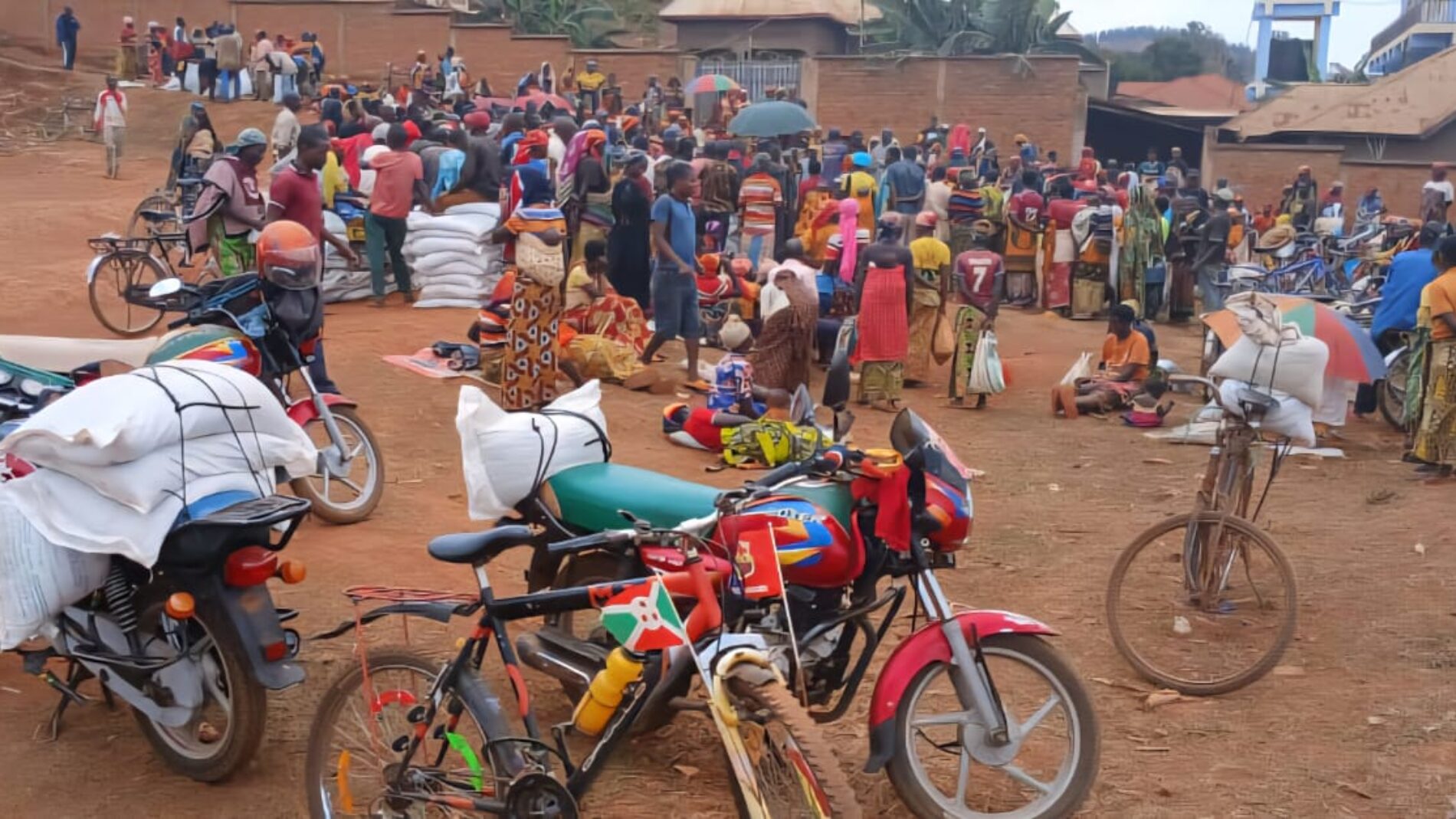
Farmers in Gitega, Burundi, are reporting an insufficient distribution of fertilizer ahead of the 2026 agricultural season A. The shortage impacts local cultivation efforts as the planting period begins across the region. Agricultural producers in Gitega rely on the timely arrival of supplies to maintain crop yields for the upcoming harvest cycle. Current supply levels fail to meet the requirements of those preparing their fields for the season A schedule. Many farmers remain concerned about the potential impact on food security as planting activities move forward without adequate input access. Efforts to address the distribution gap remain ongoing among those tasked with managing agricultural resources in the province.
Widespread Shortages Impacting Harvests
Joseph Hatungimana, a 49-year-old farmer in Kibiri, states that fertilizer supplies have been inadequate for years. "Depuis 2020, nous ne recevons pas suffisamment d’engrais. Certains agriculteurs en obtiennent, tandis que d’autres n’en reçoivent aucun," he said. He further explained that authorities are issuing vouchers instead of physical supplies. "Au lieu de nous fournir les engrais dont nous avons besoin, on nous remet des tickets pour récupérer l’argent versé auprès des institutions de microfinance et des banques commerciales," Hatungimana added.
In Jimbi, 30-year-old farmer Joselyne Manirambona received only 16 kg of fertilizer. "Les 16 kg d’engrais que nous recevons sont dérisoires par rapport à nos besoins," she stated. Manirambona warned of future risks: "Si nous ne produisons pas suffisamment, nos familles risquent d’en subir les conséquences, notamment le manque de nourriture."
Financial Struggles and Ticket System
Agricultural producers across the region are increasingly being issued tickets to recover money paid for fertilizer instead of receiving the necessary agricultural inputs. This shift in the distribution process requires farmers to navigate financial institutions to reclaim funds originally intended for supplies that never arrived.
Evariste Gahungu, a 72-year-old farmer in Rweza, remains among those waiting for the return of payments made for the previous year. He stated, "Pour la saison culturale A 2025, j’attends encore cinq tickets qui doivent me permettre de récupérer mon argent." The lack of physical fertilizer and the administrative burden of these tickets create severe uncertainty for his household. "Avec si peu d’engrais, comment puis-je espérer récolter suffisamment pour subvenir aux besoins de ma famille, payer les frais de scolarité de mes enfants et couvrir les dépenses de santé ?" he asked.
Discrepancies in the actual volume of fertilizer distributed further complicate the situation for producers in specific areas. Farmers in the commune of Bugendana report receiving only 12 to 14 kg of fertilizer despite paying for 16 kg. This gap between the paid quantity and the delivered amount places additional pressure on local cultivation budgets and expected harvest volumes.
The FOMI factory currently faces a significant shortage of foreign currency, which is required to import raw materials for fertilizer production. This lack of access to necessary international capital hinders the facility's ability to maintain a consistent output for the agricultural sector. The resulting supply constraints contribute to the distribution challenges currently affecting farmers in Rweza, Bugendana, and surrounding areas.