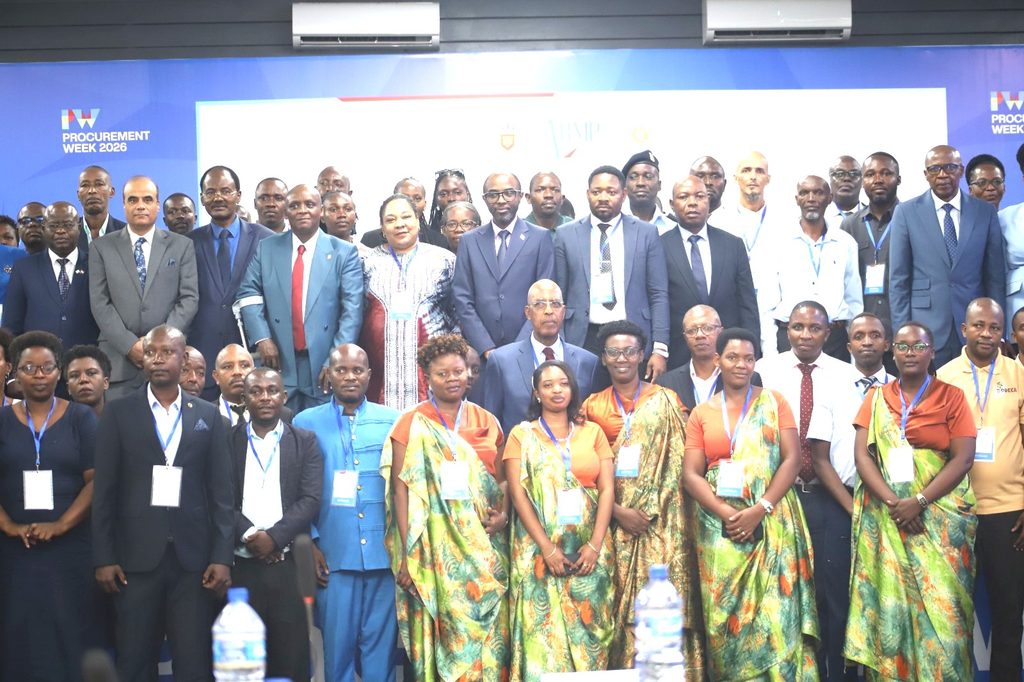
The Public Procurement Regulatory Authority (ARMP) is organizing the third edition of Burundi's Public Procurement Week, scheduled to take place from August 25 to 28, 2026. The event aims to address key issues within public procurement, aligning with the larger article's focus on digitalization and reforms. This week-long gathering provides a key platform for stakeholders to discuss advancements and challenges in the sector, fostering a collaborative environment for improvement.
Digitalization Drives Reform
Burundi's Public Procurement Week will be held in Bujumbura, bringing together a diverse group of stakeholders to discuss the future of public purchasing. The event aims to establish a public procurement system designed to safeguard public funds while ensuring government operations remain efficient and responsive to national needs. A core objective is to create a system that is accessible to all qualified suppliers, thereby fostering broader participation and promoting fair competition. The initiative seeks to enhance transparency and overall performance through the full integration of digital tools and processes. Ultimately, the goal is to translate state objectives into tangible and observable outcomes for the public, directly impacting the nation's development. This commitment to leveraging technology shows a strategic shift towards modernizing public services and ensuring accountability.
Event's Role and Scope
The government of Burundi intends to leverage digital technology to enhance public procurement processes significantly. This includes aiming to increase information accessibility for all parties involved, improve traceability of all transactions and decisions, track deadlines more effectively to ensure timely project completion, clarify responsibilities at every stage, and streamline control mechanisms to prevent irregularities. Recommendations emerging from the Public Procurement Week are expected to play a vital role in informing ongoing reforms within the sector, providing practical insights and strategic directions.
The Burundian public procurement system recently underwent an evaluation in accordance with the international Methodology for Assessing Procurement Systems (MAPS). This assessment provides a full baseline for understanding current practices and identifying specific areas for improvement, which the week's discussions and proposed digital integrations will directly address. The integration of technology is seen as central to achieving greater transparency and efficiency across all stages of public purchasing, from planning and tendering to contract management and payment. This systematic approach is designed to build a strong and trustworthy procurement framework for the nation.
Ministerial Vision and Goals
The third edition of the event will focus on 'new procedures and new typologies of public procurement: evolution of regulation in the era of dematerialization'. Minister Alain Ndikumana emphasized the critical necessity of mobilizing resources more effectively to support the nation's long-term development goals. He stated that Burundi's ambitious Vision 2040 (emerging) and Vision 2060 (developed) require substantial and well-managed investments to be realized. The Minister's remarks noted the key role of efficient and transparent public procurement in achieving these national aspirations.
Minister Ndikumana further noted the government's digital ambitions, stating, "We want to use digital technology to make information more accessible, improve the traceability of procedures, monitor deadlines, better identify responsibilities, and facilitate control." He added, "The recommendations that emerge from this week must feed into the ongoing reforms," showing the practical and policy-oriented nature of the event. The Minister also stressed the importance of state credibility, noting, "When the State asks its suppliers to honor their commitments, it must itself organize its finances to be able to honor its own, and that is the credibility of the State." This statement reflects a commitment to mutual responsibility and financial discipline within the procurement ecosystem. He further outlined the overarching objective for public procurement: "We want to build a public procurement system that protects public money without paralyzing public action, an order open to those who have the capacity to meet the needs of the State. A public procurement system in which digital technology reinforces transparency and performance, and above all, one that transforms the State's objective into visible results." These goals collectively define the strategic direction for Burundi's public procurement sector in the coming years.