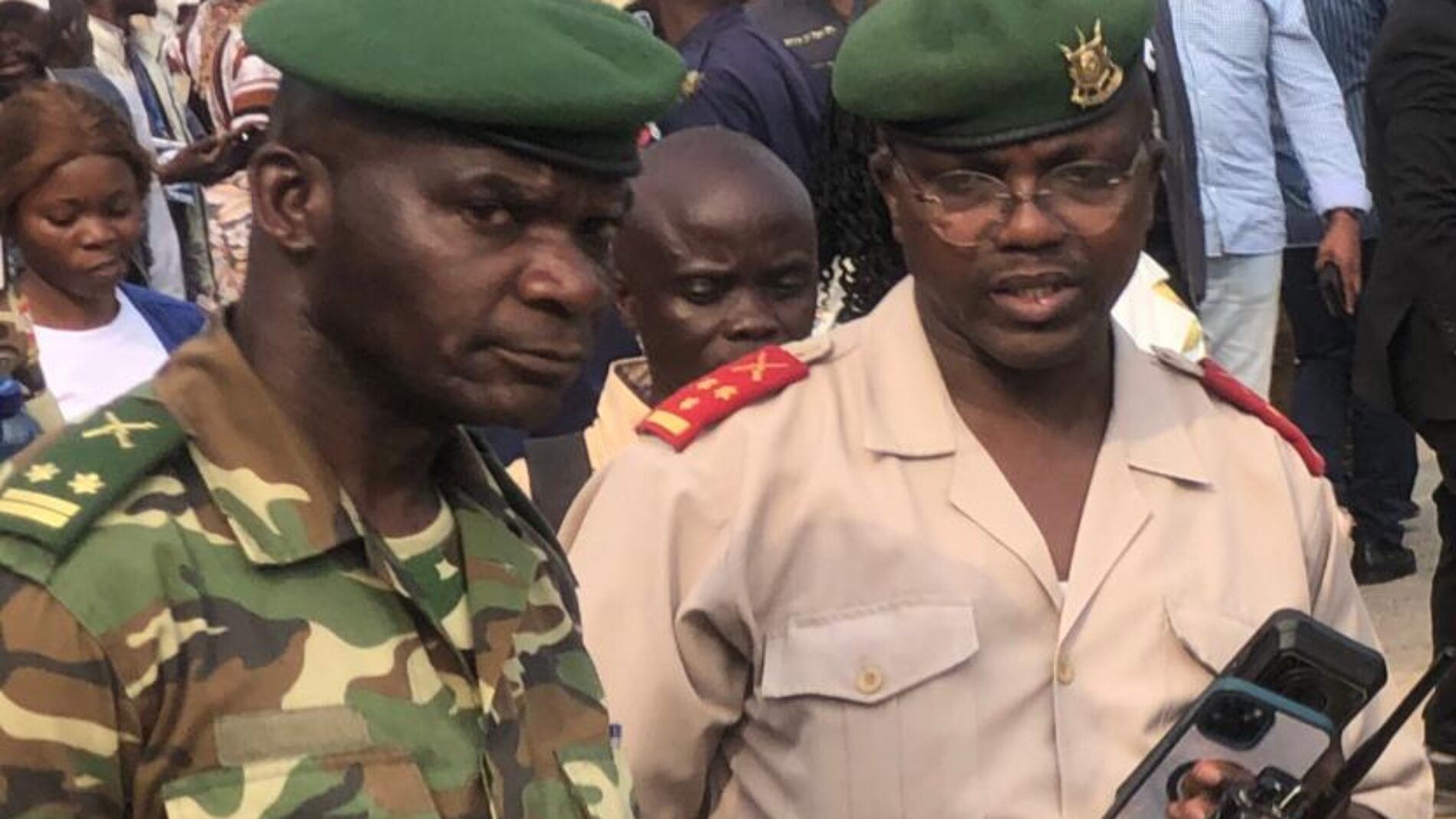
Burundi's Kigarika public seed center, located in Ruyigi commune, Buhumuza province, has been converted into a training camp for the Force de Réserve et d’Appui au Développement (FRAD). This transformation of the agricultural facility, specifically the Kigarika public seed center in Ruyigi commune, Buhumuza province, into a military training ground was marked by an official launch event. The conversion signifies a notable shift in the use of a key agricultural asset within the region. General-Major Ignace Sibomana, who heads the FRAD, supervised the commencement of the training activities at the site, showing the official nature and importance of the new initiative.
Recruits and Trainers Detailed
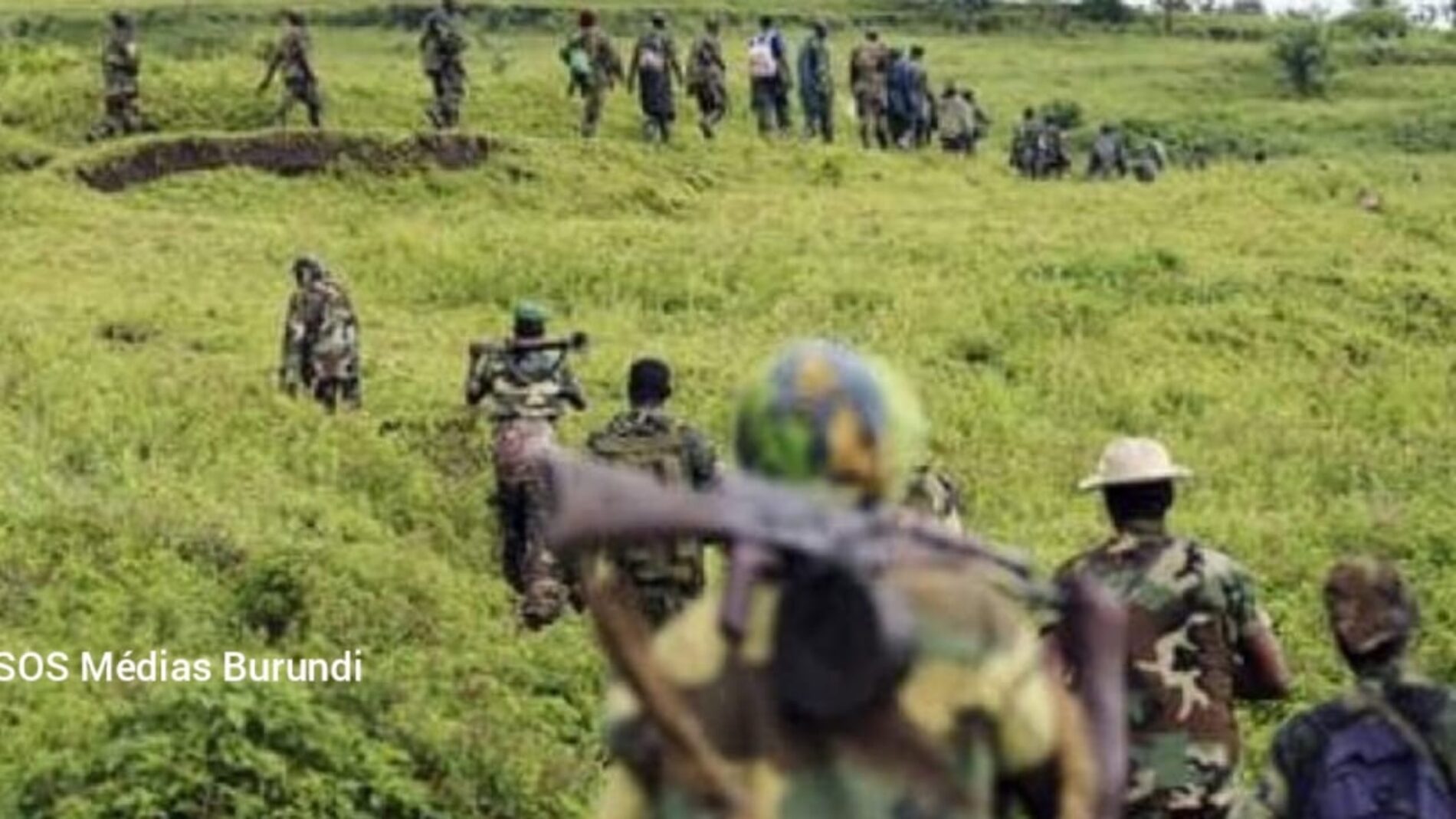
Over 200 members of the Imbonerakure, the youth league of the ruling CNDD-FDD party, are currently undergoing military training at the Kigarika site. These recruits were selected from a larger group of more than 900 party militants. The selection process occurred in Cibitoke in late February, following the militants' return from the Democratic Republic of Congo. The initial gathering of over 900 party militants in Cibitoke, from which the trainees were chosen, notes a structured and organized recruitment effort.
The trainees primarily originate from Burundi's former provinces of Cibitoke, Bujumbura, Muyinga, and Kirundo. Reports indicate that the recruits are predominantly from the Hutu community, a demographic detail that has been noted by observers. The training at Kigarika represents a significant development in the utilization of the former public seed center, now serving a strategic military purpose. The program is overseen by more than 100 trainers, a majority of whom are military personnel expected to retire between 2026 and 2027. This detail suggests a potential succession plan or a transition phase within the military structure, with experienced personnel imparting their knowledge to the new recruits. The presence of such a substantial number of trainers further emphasizes the scale and seriousness of the training being conducted at Kigarika.
Révérien Ndikuriyo, the Secretary General of the CNDD-FDD, visited the recruits during their training. During his visit, Mr. Ndikuriyo provided each recruit with 200,000 Burundian francs, an act that could be interpreted as a gesture of support and encouragement from the party leadership. This direct financial contribution to the trainees shows the party's investment in and endorsement of the program.
Impact on Food Security
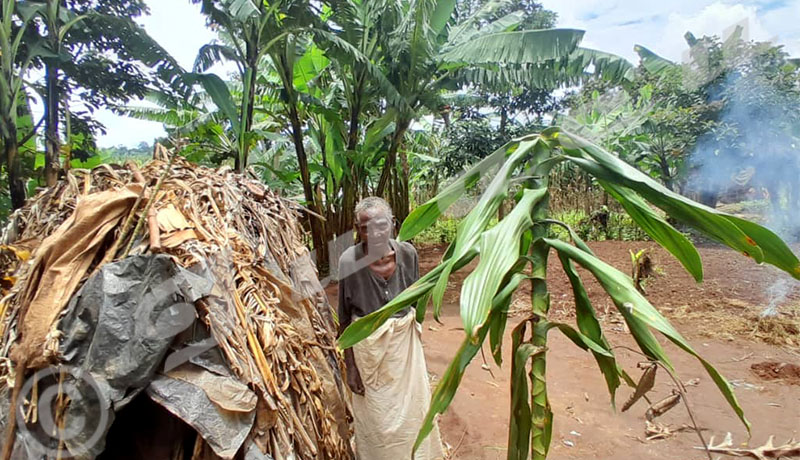
The suspension of agricultural activities at the Kigarika site has resulted in estimated losses of over 10,000 tons of agricultural production. The facility, which spans approximately 110 hectares, was previously dedicated to cultivating certified seeds, including maize, various vegetables, and fruits. This land, covering approximately 110 hectares, was a vital source for the production of certified seeds, including staples like maize, along with a variety of vegetables and fruits essential for local food systems. The cessation of these activities directly impacts the availability of key agricultural inputs and produce. These production losses are valued between 8 and 12 billion Burundian francs, a figure equivalent to the annual cereal ration needed to feed 80,000 to 100,000 people. This substantial monetary and nutritional loss notes the severe repercussions of converting a productive agricultural site into a military training ground, raising concerns about regional food security and the economic well-being of the population.
Local residents have reported new restrictions on access to water points near the Kigarika site, along with the closure of certain passage routes. These restrictions impose daily challenges on the local population, affecting their routines and access to essential resources. Some residents have reported hearing individuals speaking Kiswahili and Kinyarwanda during observed exercises or among groups on the site. The presence of these languages, particularly Kiswahili which is widely spoken in the Great Lakes region, could suggest a diverse origin of personnel or cross-border interactions, adding another layer of complexity to the activities at Kigarika.
Broader Geopolitical Context
An officer of the Force de défense nationale du Burundi (FDNB) suggested that the recruits undergoing training at Kigarika may be intended to gradually replace former combatants from Ex-PMPA (Partis et Mouvements Politiques Armés) who are reaching retirement age. This perspective indicates a strategic long-term plan for military personnel management and integration. The Arusha Accords, signed in August 2000, formally ended Burundi's civil war and facilitated the integration of various armed movements into the national army. This historical agreement laid the groundwork for the current structure of the Burundian armed forces, making the current training program potentially a continuation of efforts to consolidate and professionalize the military while managing the transition of older generations of combatants. The current training program at Kigarika is overseen by more than 100 trainers, a majority of whom are military personnel expected to retire between 2026 and 2027, further supporting the interpretation of a planned generational shift within the armed forces.
The context of these deployments extends regionally, with an internal report from the Congolese Ministry of Interior and Security estimating that over 29,000 Burundian soldiers were deployed in eastern Democratic Republic of Congo between August 2022 and December 2025. This significant deployment figure shows Burundi's active military involvement in regional security matters, particularly in the volatile eastern DRC. General-Major Ignace Sibomana, the head of the FRAD who supervised the launch of the Kigarika training, has also been observed in Uvira, conducting missions related to securing the movements of Congolese authorities. His presence in Uvira, a key town in eastern DRC close to the Burundian border, further links the activities at Kigarika to broader regional security dynamics and collaborative efforts with Congolese authorities. These regional engagements provide a key backdrop against which the domestic military training initiatives, such as the one at Kigarika, can be understood. The training of Imbonerakure members and their potential integration into broader security structures could have implications for both internal stability and Burundi's role in regional security operations.