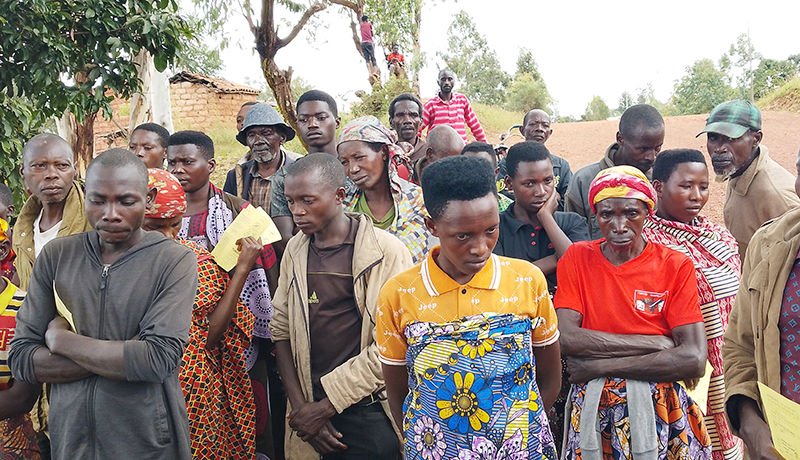
Congolese refugees who have obtained refugee status at the Cishemere transit center in Cibitoke commune, Bujumbura province, Burundi, are slated for upcoming repatriation. This development follows the official launch of repatriation efforts for Congolese refugees, which commenced on April 23rd at the Busuma site. These actions mark a significant step in facilitating the return of displaced individuals to their home country, reflecting ongoing humanitarian efforts in the region. The process, which is voluntary, aims to provide a durable solution for those who have sought refuge in Burundi.
Repatriation Operations Underway
The voluntary repatriation operation is planned to continue for almost two weeks from the article's publication date. This initial phase is key in establishing the framework for broader returns. Between April and August, nearly 15,000 Congolese refugees are expected to be repatriated from the Busuma site. This ambitious target shows the scale of the humanitarian challenge and the commitment to assisting these individuals. The operation is a collaborative effort involving various humanitarian organizations and government bodies, all working towards safe and dignified returns.
As of May 14th, four convoys had already departed Burundi for the Democratic Republic of Congo. These convoys have facilitated the return of approximately 4,000 refugees. Each convoy represents a significant logistical undertaking, ensuring the safety and well-being of the returnees during their journey. The ongoing operation aims to support Congolese individuals in returning to their home country, providing them with the opportunity to rebuild their lives after periods of displacement. These initial returns set a precedent for the larger cohort of refugees awaiting repatriation.
Harsh Conditions at Cishemere
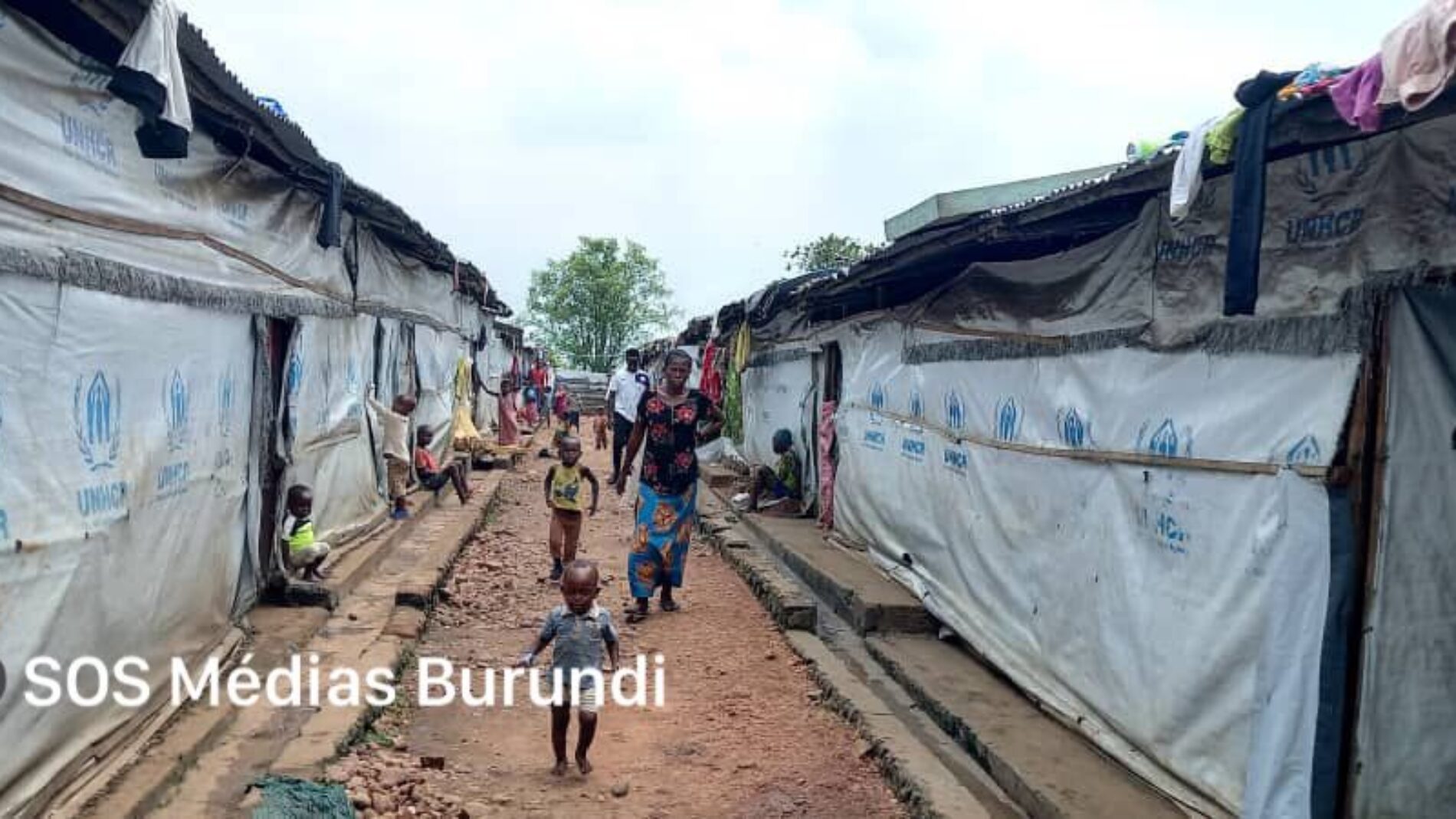
Refugees at the Cishemere transit center have been awaiting a durable resolution for an extended period, with many holding refugee status for months, and some for over a year. This prolonged wait notes the complexities involved in managing large-scale refugee populations and coordinating repatriation efforts. The facility, which currently houses over 5,000 people, is a temporary home for those displaced from their country. The sheer number of residents places immense strain on the center's resources and infrastructure.
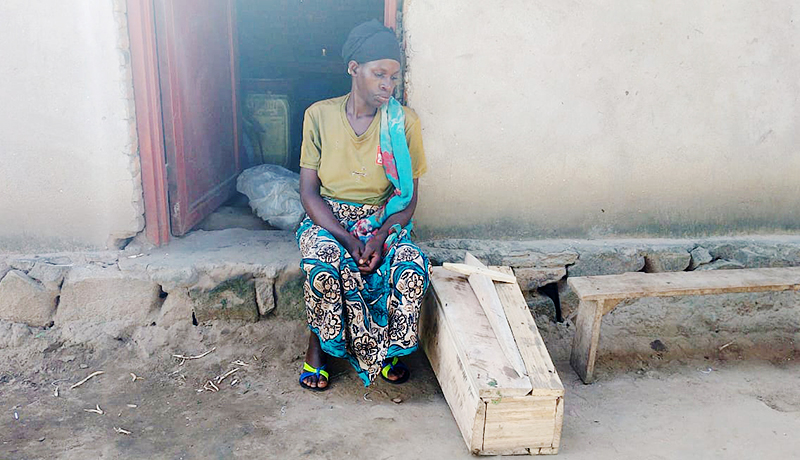
Clotilde, a Congolese refugee, arrived in Burundi 16 months ago, having fled the Democratic Republic of Congo due to insecurity in the eastern regions. Her experience reflects the prolonged stays many refugees endure at the transit center, where uncertainty about the future can be a constant companion. The conditions at Cishemere, while intended as temporary, have become a long-term reality for many, showing the urgent need for expedited repatriation and improved living standards. The transit center serves as a critical, albeit challenging, waypoint in their journey.
Refugee Hopes and Concerns
Refugees at the Cishemere transit center have reported severe living conditions, including famine and a lack of adequate shelter. These fundamental necessities are often compromised in overcrowded facilities, leading to widespread hardship. Additionally, they have noted insufficient healthcare services and widespread hygiene problems within the overcrowded facility. The lack of proper sanitation and medical care poses significant health risks, especially in a densely populated environment. These concerns are frequently voiced by the residents, who yearn for better conditions and a swift return home.
Meanwhile, the ongoing repatriation operations could face potential delays due to a new Ebola outbreak. The outbreak has been identified in the North Kivu and Ituri provinces of the Democratic Republic of Congo, raising concerns for the planned return of refugees to those regions. The health implications of such an outbreak are severe, and measures to prevent its spread could impact the movement of people. Authorities are closely monitoring the situation to ensure the safety of both returnees and the communities they are rejoining, potentially necessitating adjustments to the repatriation schedule.
Broader Context and Future
Burundi currently hosts approximately 200,000 Congolese refugees, all of whom fled insecurity in the eastern regions of the Democratic Republic of Congo. This substantial number represents a significant humanitarian presence within Burundi, placing demands on its resources and services. The ongoing conflict and instability in eastern DRC continue to drive displacement, making sustained repatriation efforts critical. The majority of these Congolese refugees residing in Burundi originate from South Kivu province, a region that has experienced significant displacement due to ongoing conflict. The specific origins of the refugees highlight the targeted nature of the crises affecting particular areas within the DRC.
The voluntary repatriation program offers a glimmer of hope for thousands of individuals seeking to rebuild their lives in their home country, despite the logistical and health challenges that persist. The commitment to these operations remains firm, aiming to provide a dignified and safe return for those who choose it.