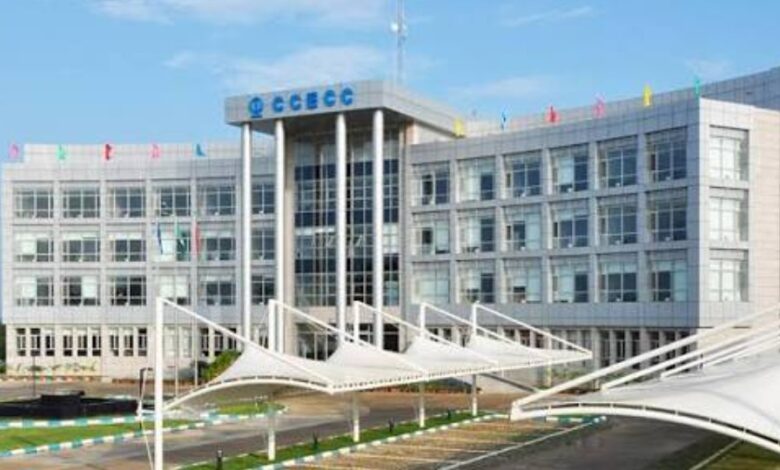
China Civil Engineering Construction Corporation (CCECC) is slated to commence construction of a new port in Rumonge, Burundi, following the formal handover of the site on August 24. The project marks a significant infrastructure development for Burundi, aimed at bolstering trade and regional connectivity. China Civil Engineering Construction Corporation (CCECC) is set to start construction of this new port at Rumonge in Burundi. The construction phase for the new port is projected to last 23 months. This initiative is expected to significantly upgrade Burundi's maritime infrastructure on Lake Tanganyika.
Contract Award Details
China Civil Engineering Construction Corporation (CCECC) secured the turnkey engineering, procurement, and construction contract for the Rumonge Port project. This full contract encompasses all aspects from design to completion. The total value of the contract is $26.45 million, representing a substantial investment in the region's infrastructure. CCECC was selected over a competing bid from a grouping that included PowerChina Harbour and STECOL, following a rigorous selection process. The contract award follows a competitive process for the significant infrastructure development in Burundi, noting the strategic importance of the project. The project aims to enhance trade and connectivity in the Great Lakes region, a critical objective for economic growth. The selection of CCECC for the full contract shows the scale of the port development and the commitment to a high-quality outcome. CCECC has been awarded the turnkey engineering, procurement and construction contract for the project, signifying their full responsibility for its execution.
Project Rationale and Scope
The World Bank is backing the Rumonge port project, which is designed to address the inadequacies of Burundi's existing infrastructure in the area. This support from the World Bank shows the project's potential for economic and social impact. The project is specifically intended to replace inadequate existing infrastructure at Rumonge, which has long been a bottleneck for trade. The initiative aims to develop a modern commercial port capable of supporting increased traffic across Lake Tanganyika, thereby facilitating greater economic activity. The project aims to establish a modern commercial port equipped to handle a projected increase in traffic across Lake Tanganyika, a vital waterway for regional commerce. Rumonge serves as a key trading link between Burundi and the Democratic Republic of Congo, making the modernization of its port facilities essential. Developing this port is part of a broader program that encompasses improvements to border posts, roads, and other cross-border trading infrastructure throughout the Great Lakes region. This wider program aims to create a more integrated and efficient trade network across the region. The new facility is expected to enhance regional trade and connectivity by providing more efficient maritime access, reducing transit times and costs for goods.
Site Readiness and Timeline
Authorities have officially handed over the Lake Tanganyika project site to the Chinese contractor, China Civil Engineering Construction Corporation (CCECC, marking a key step in the development of the new Rumonge Port. The site was formally handed over on August 24, allowing for the immediate mobilization of resources. An order to commence construction work has already been issued to CCECC, signaling the official start of the project. Officials confirmed that the entire construction footprint for the port is now available to the contractor. This availability ensures that there are no outstanding land disputes or unresolved issues that could impede the initial phases of the port's construction, a common challenge in large infrastructure projects. Authorities confirmed that the full construction footprint is now available without outstanding land disputes, providing a clear path for construction. The formal handover and issuance of the work order pave the way for the immediate start of operations on the site, aligning with the project's overall timeline. This readiness is considered key for maintaining the projected 23-month construction schedule, ensuring the port can become operational as planned.