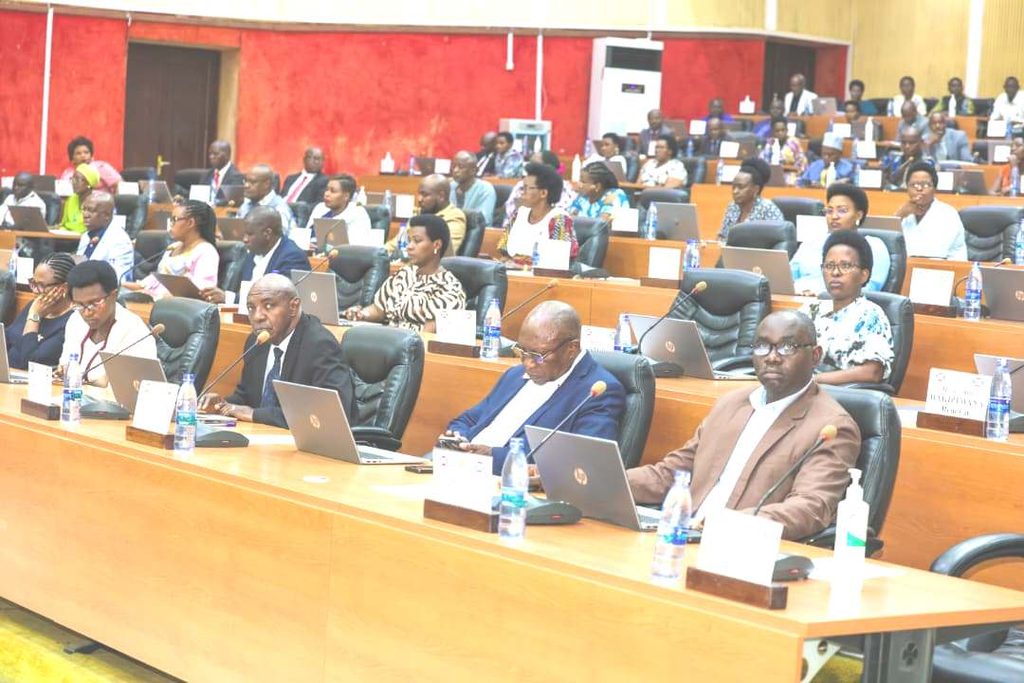
The National Assembly convened on Tuesday, August 25, 2026, for a significant session dedicated to evaluating the achievements of its deputies during the recent parliamentary recess. The meeting, a key part of the legislative body's oversight responsibilities, was led by the esteemed President of the National Assembly, Gélase Daniel Ndabirabe. This full evaluation specifically focused on assessing the work carried out by elected representatives from three key provinces: Bujumbura, Butanyerera, and Gitega. The primary objective of this detailed review was to scrutinize the various activities undertaken by these deputies in their respective constituencies while the legislative body was not in session. The proceedings provided a vital opportunity for members to present their accomplishments, share insights into their engagement with local communities, and openly discuss any challenges encountered in their provincial duties. This evaluative session showed the National Assembly's commitment to accountability and responsiveness to the needs of the populace across different regions.
Provincial Achievements Detailed
Deputies serving in Bujumbura province have been closely monitoring the progress of a significant initiative: the desk manufacturing project designed to benefit students across the region. This ambitious state-led program aims to address a critical need in educational infrastructure. The state plans to provide a substantial number of desks, specifically 42,911 units, across Bujumbura province as part of this widespread initiative, ensuring better learning conditions for thousands of students. The deputies' oversight in this project notes their dedication to improving educational facilities and supporting the youth within their constituencies.
In Butanyerera province, deputies engaged actively with the local population, focusing on fostering socio-economic development through collective action. They strongly encouraged residents to join cooperatives, emphasizing the significant benefits of collective work in achieving shared economic goals. This approach aims to empower communities and enhance their economic resilience. The deputies dedicated considerable effort to sensitizing residents to critical environmental protection measures. This included advocating for the progressive abandonment of traditional thatched-roof houses, promoting more sustainable and resilient housing solutions. In a proactive move, Butanyerera deputies formally requested that the governor provide full lists of schools lacking electricity, alongside lists of those already equipped with both electricity and water. This request shows their commitment to improving essential infrastructure in educational institutions. Further environmental efforts included extensive campaigns to sensitize the population to combat erosion, particularly by digging level curves on steep hills, a practical measure to preserve agricultural land and prevent soil degradation. Deputies in Butanyerera also urged residents to exercise caution and avoid selling their land and crops prematurely, before they reach full maturity, a practice that often leads to economic disadvantage for farmers. These deputies proudly acknowledged achievements recorded in the year 2025, reflecting a period of significant progress and community engagement. Looking ahead to the year 2026, deputies in Butanyerera have outlined ambitious plans to complete unfinished infrastructure projects, which critically include the construction and rehabilitation of roads, schools, and health centers, vital for the region's continued development.
Deputies in Gitega province also showcased their commitment to community welfare and progress. They actively encouraged strong participation in community work, fostering a spirit of collective responsibility among citizens. A key focus for them was monitoring initiatives aimed at building housing for vulnerable individuals, demonstrating a direct concern for social welfare and equitable living conditions. An encouraging trend observed in Gitega is the increasing investment by the local population in the cultivation of passion fruit, indicating diversification in agricultural practices and potential new income streams. Additionally, deputies in Gitega actively encouraged citizens to create compost pits and practice small-scale animal husbandry, promoting these methods as effective and sustainable approaches for field fertilization, contributing to ecological farming practices and improved soil health.
Identified Challenges Across Regions
Despite the notable achievements, the evaluation also brought to light several pressing challenges identified across the three provinces. A significant concern raised was the widespread consumption and marketing of illicit beverages and products, which poses threats to public health and safety, and undermines legal economic activities. Another critical issue impacting agricultural activities in these regions is a persistent shortage of Fomi fertilizer, an essential input for crop productivity. This scarcity directly affects farmers' ability to maximize yields and ensure food security.
The agricultural sector faces additional hurdles, particularly in tea production, which is experiencing a worrying decline. Reports indicate that some farmers are resorting to uprooting their tea plantations, a trend that suggests potential economic shifts or significant difficulties within this once-thriving agricultural sector. This development necessitates further investigation to understand the underlying causes and potential long-term implications for the livelihoods of tea farmers.
Water scarcity during the dry season presents a major and recurring concern, particularly acute in Bujumbura province. This issue disproportionately affects rice farmers, who rely heavily on a consistent and adequate water supply for the successful cultivation of their crops. The impact of insufficient water during critical growing periods could lead to significantly reduced yields, threatening the economic stability and food security of these agricultural communities. These widespread challenges were prominently noted during the National Assembly's thorough evaluation of recess achievements, forming a critical part of the deputies' reports. Addressing the proliferation of illicit products and ensuring the consistent availability of essential agricultural inputs like Fomi fertilizer are among the immediate priorities stemming from this full evaluation. The National Assembly also acknowledged the urgent need to investigate the precise reasons behind the declining tea production and to proactively find sustainable solutions for the persistent water scarcity affecting rice farmers in Bujumbura province, ensuring the long-term viability of these vital agricultural activities.
Recommendations for Improvement
In light of the challenges and opportunities identified during the recess evaluation, deputies involved in the process put forth several key recommendations. A primary call was directed at the state, urging it to reinforce its support for citizens, specifically by facilitating improved access to essential agricultural inputs such as fertilizers and arable land. This recommendation emerged as a key area for improvement following in-depth discussions on the agricultural challenges faced by communities during the recess period, recognizing the fundamental role of agriculture in the national economy and household livelihoods.
Additionally, deputies showed the necessity of implementing ongoing and strong public awareness campaigns regarding land registration and the intricate process of securing land property. This emphasis notes a continued effort to address complex land-related issues, prevent disputes, and ensure proper documentation and legal security for residents' land holdings. The calls for strengthened state intervention and sustained public sensitization are integral parts of broader recommendations aimed at enhancing socio-economic stability and effectively addressing the diverse community needs identified during the parliamentary recess. These meticulously considered measures are intended to provide tangible, impactful improvements in the daily lives of citizens residing in the evaluated provinces, fostering sustainable development and greater community well-being.