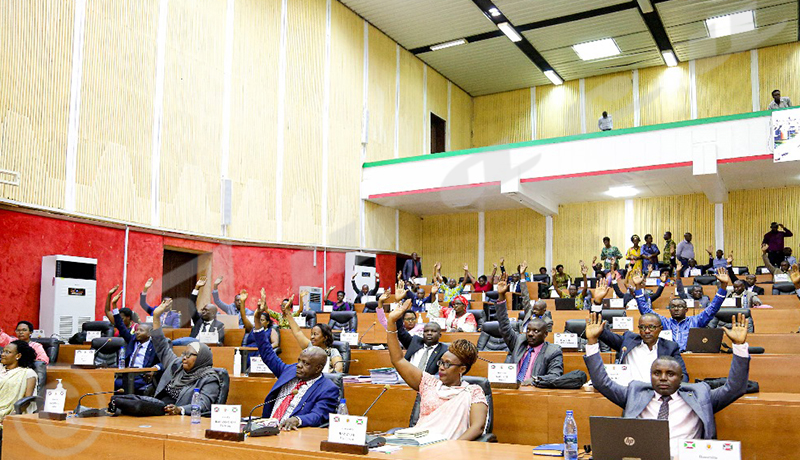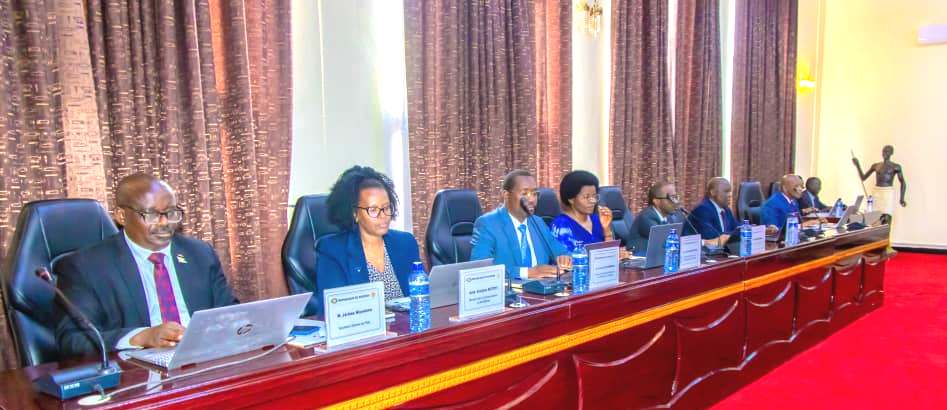
The Council of Ministers convened on Friday, July 17, 2026, in Gitega under the auspices of Head of State Evariste Ndayishimiye. The significant gathering was held to review the execution of the national budget and consider the reorganization of the Communal Investment Fund (Fonic). Ministers gathered to assess current financial performance and discuss proposed structural changes for this vital investment entity. The meeting showed the administration's commitment to strong financial management and the efficient operation of key public institutions.
Budget Execution Framework
The Council of Ministers began its review by analyzing a draft decree that outlines the roles, attributions, and relational framework of the various actors involved in budget execution. This full agenda item was the first major point of discussion during the session, noting its importance for governmental financial operations. The framework aims to clarify responsibilities and interactions among the entities tasked with implementing the national budget, ensuring greater transparency and accountability in public spending. The proposed decree seeks to establish a standardized approach to how public funds are managed and disbursed across all governmental departments and agencies.
Minister of Finance, Budget, and Digital Economy Alain Ndikumana presented the draft decree on budget execution to the Council for their consideration. His presentation detailed the proposed guidelines for financial management and operational coordination within the government's budgetary processes, emphasizing the need for streamlined procedures. The document’s introduction by Minister Ndikumana initiated the Council’s deliberation on the measures intended to manage and monitor public finances more effectively. Discussions focused on how these new provisions would enhance the efficiency of budget execution and contribute to the nation's economic stability.
Fonic Reorganization Details
The second item on the Council's agenda involved a draft decree modifying an existing regulation regarding the Communal Investment Fund (Fonic). This proposed legislation aims to reorganize Fonic, building upon the framework established by decree N° 100/117. The original decree, which the new draft seeks to amend, was dated April 21, 2021. The necessity for this reorganization stems from an ongoing effort to optimize the fund's operational structure and enhance its impact on communal development projects. The proposed changes are designed to improve the efficiency and effectiveness of Fonic's investment strategies.
Minister of Finance, Budget, and Digital Economy Alain Ndikumana also presented the draft decree concerning Fonic's reorganization to the Council. His presentation initiated detailed discussions among the ministers regarding the proposed changes to the fund's structure and operations. The deliberations focused on how the modifications would impact Fonic's role and its investment activities within the communal framework, ensuring that the fund continues to serve its intended purpose of fostering local development. The Council's review is part of an ongoing effort to refine the management and efficiency of public financial instruments, adapting them to current economic realities and future development goals.
Meeting Context and Significance
The Council of Ministers' session, presided over by Head of State Evariste Ndayishimiye, convened at the Gitega palace. This prestigious location served as the setting for the critical discussions regarding the national budget's execution and the proposed reorganization of Fonic. Ministers gathered in the presidential palace to address the financial and structural matters on their agenda, reflecting the high priority placed on these issues by the government. The choice of the Gitega palace shows the importance of the meeting for government operations and national development. The discussions aim to refine the management of public funds and enhance the efficiency of key institutions, reflecting the administration's focus on economic governance and sustainable development across all communities. The outcomes of these deliberations are expected to have a significant impact on the country's financial landscape and its ability to achieve its development objectives.