Investigations are set to commence regarding the atrocities committed during the 1988 massacres in the former communes of Ntega and Marangara. These deeply tragic events occurred in the former provinces of Kirundo and Ngozi, located in Burundi. The Truth and Reconciliation Commission, universally known as the CVR, will conduct these key probes into the historical incidents. The commission's work is anticipated to shed light on the full scope of the violence and its lasting impact on the affected regions and communities.
Preparatory Meetings Held
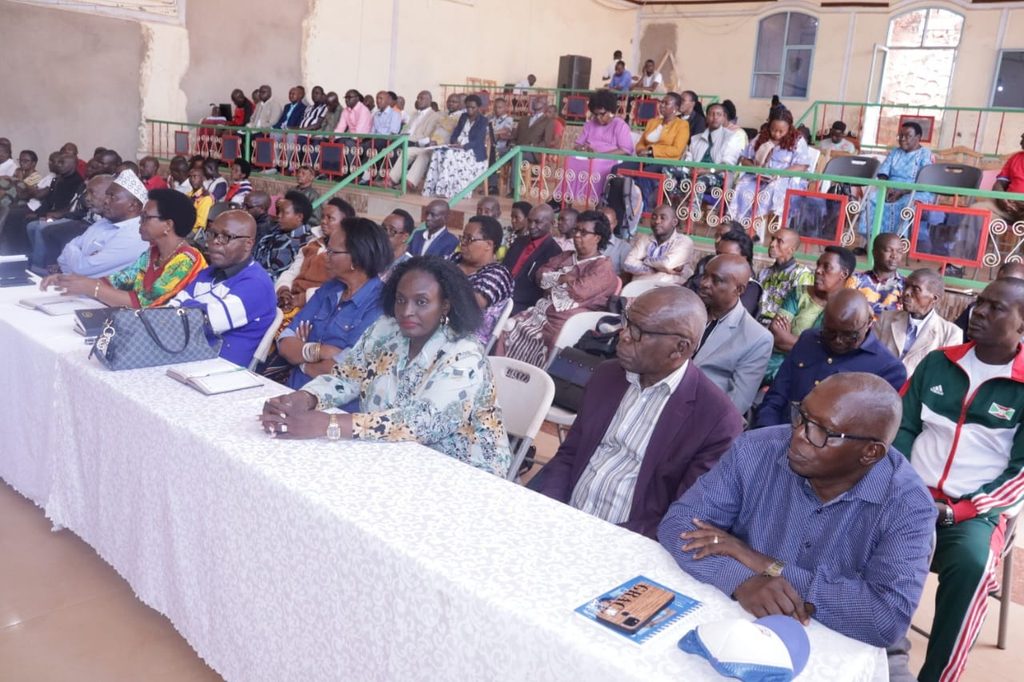
As part of its structured approach, the CVR organized a significant two-day meeting from August 27 to 28, 2026. This gathering took place in the commune of Kiremba, situated within the province of Butanyerera. This specific meeting served as a vital component of the preparatory work leading up to the official commencement of the investigations. The session in Kiremba was not an isolated event; it followed three other essential preparatory meetings. These earlier sessions were strategically organized in the communes of Ntega and Marangara themselves, directly engaging with areas most affected by the massacres, as well as in the nation's capital city of Bujumbura. The full series of preparatory meetings shows the CVR's commitment to a thorough and well-planned investigative process. These preliminary discussions are key for laying the groundwork for effective truth-seeking.
Commission's Mandate and Goals
The 1988 massacres in Ntega and Marangara resulted in numerous innocent victims, a fact consistently noted by the CVR. The commission has explicitly noted that these devastating events left behind many widows, orphans, and families who also suffered the profound loss of their property. The CVR's broad mandate includes addressing the multifaceted impact of such widespread violence on affected populations. This specific investigation into the 1988 massacres aims to formally acknowledge the immense suffering endured by those directly impacted by the events of that year. The CVR is tasked with the critical responsibility of uncovering the complete truth surrounding these tragic incidents. A primary objective is to provide a platform for reconciliation among affected communities, fostering an environment where healing can begin. Ultimately, the commission's diligent work seeks to meticulously document the historical context and the enduring consequences for the victims and their descendants, ensuring that these past events are properly recorded and understood.
President's Call for Truth
The Truth and Reconciliation Commission (CVR) formally announced its definitive intention to investigate the 1988 massacres in Ntega and Marangara on June 16, 2026. The commission made this significant declaration during a public session held before the National Assembly, where it outlined its full plans for probes into these historical events. This public statement, delivered to the national legislative body, clearly preceded the series of preparatory meetings that were subsequently held across various communes, demonstrating a clear roadmap for their investigative work.
During the key meeting in Kiremba, participants were actively engaged and presented with a carefully structured set of 16 questions. These questions formed a key part of the CVR's systematic approach to gathering full information. The objective of these detailed questions was to rigorously guide discussions and to facilitate the collection of relevant testimonies and profound insights, all of which are considered key for the commission's upcoming investigations into the massacres. The CVR's established methodology places a strong emphasis on a thorough and careful examination of past events, with the dual purpose of establishing verifiable facts and actively promoting reconciliation within the fractured communities.