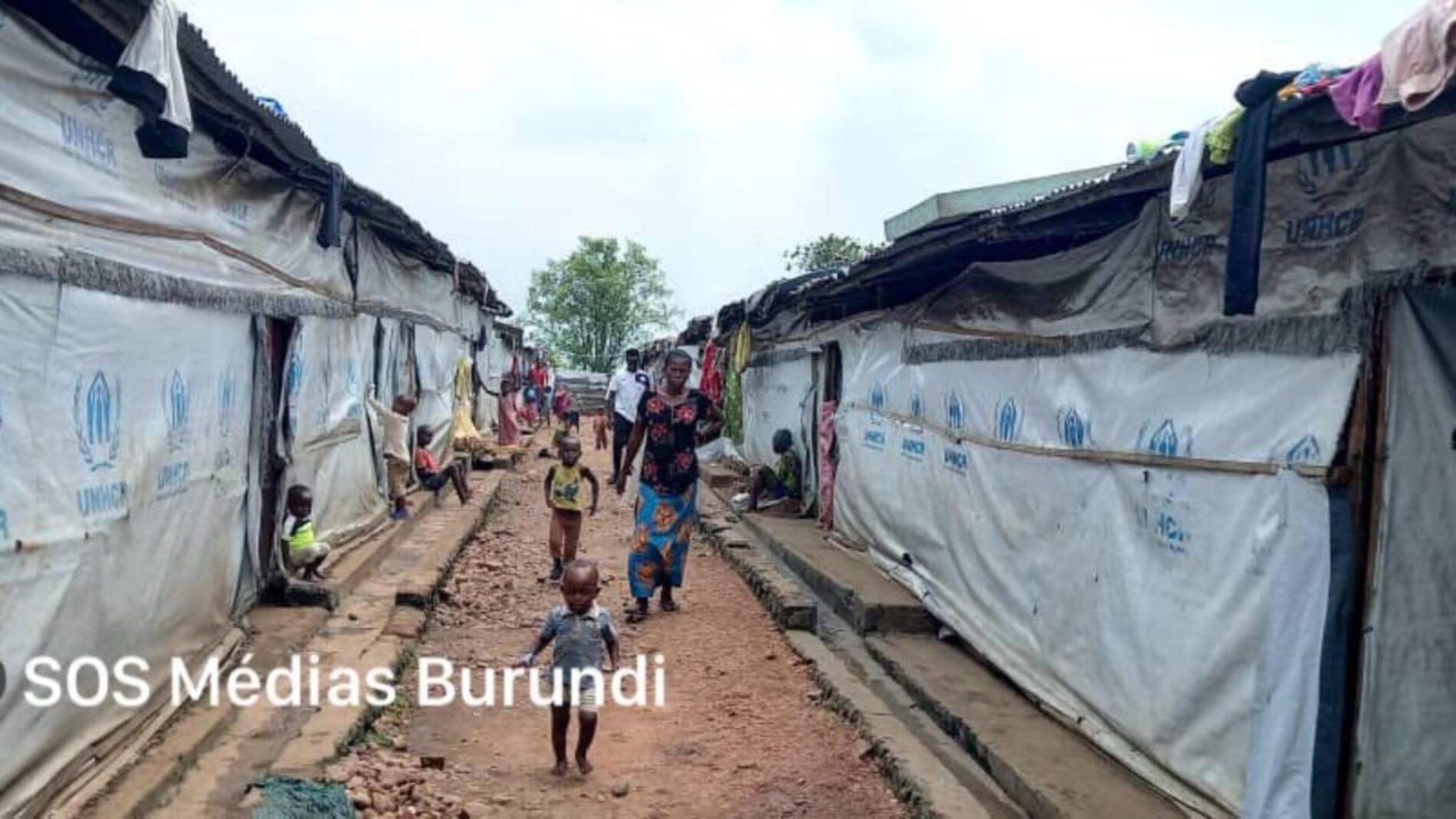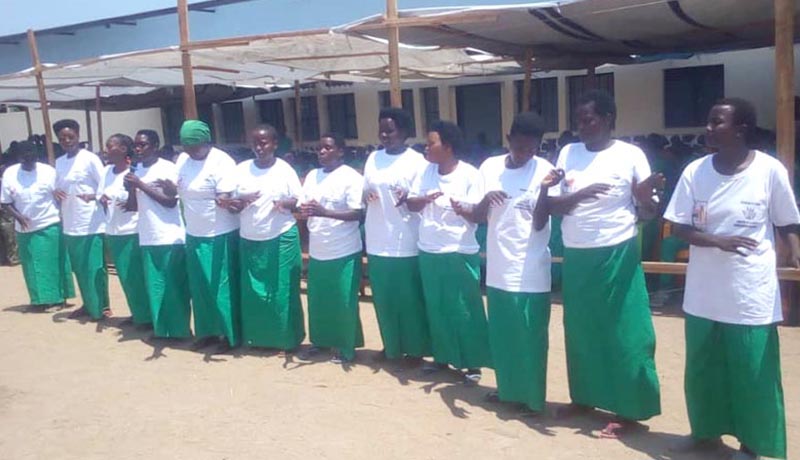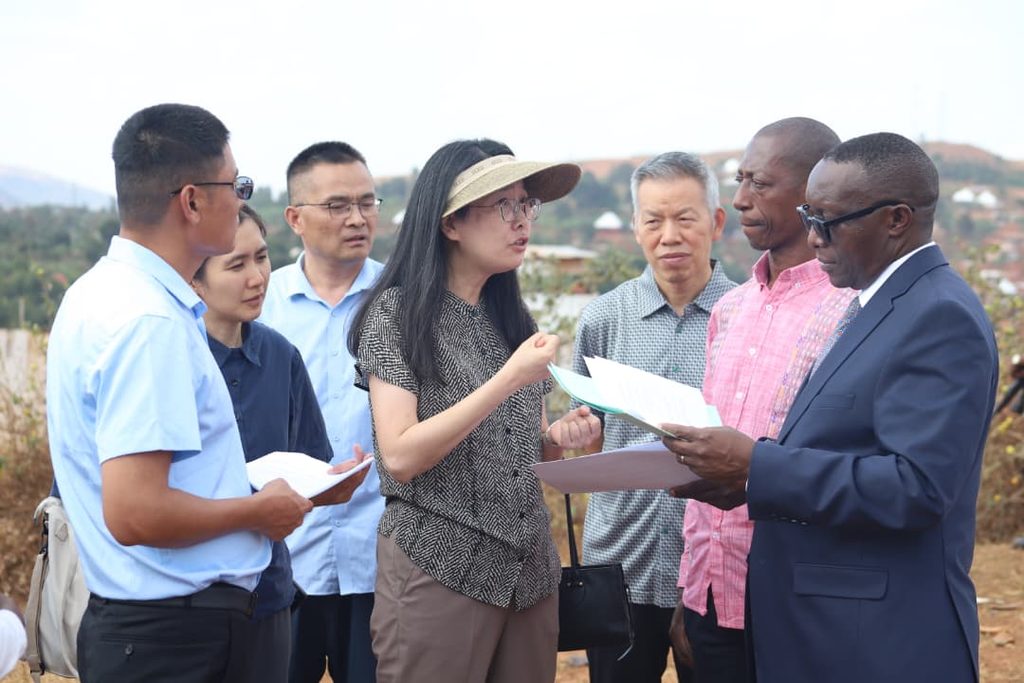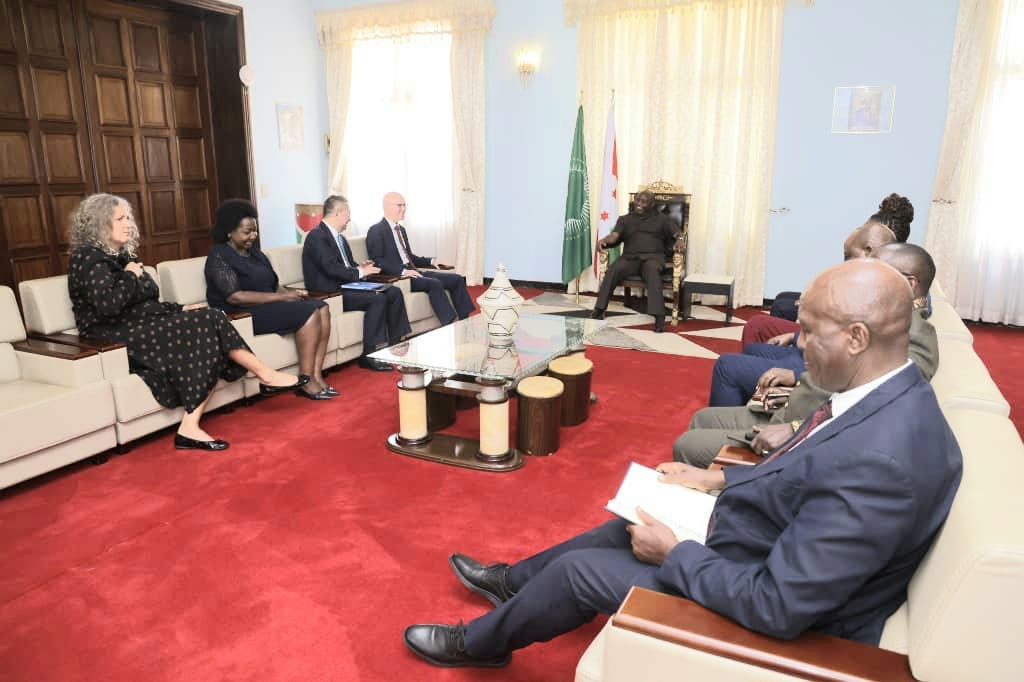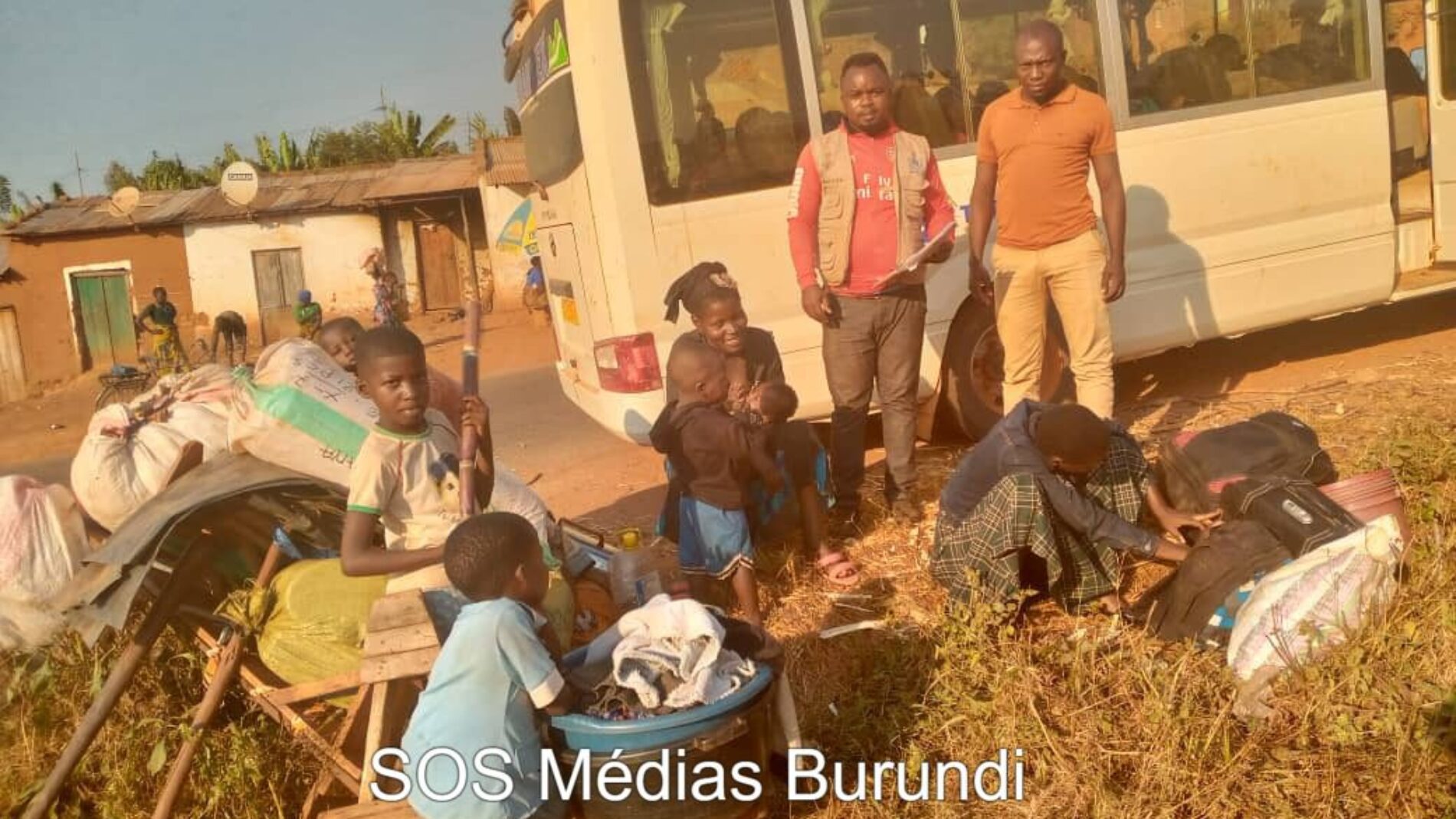
Tens of thousands of Burundian households are attempting to resettle in Burundi after being forced to leave refugee camps in Tanzania, primarily Nduta and Nyarugusu. These returns are significantly straining Buhumuza Province, a region grappling with multiple humanitarian challenges. The majority of these returnees were compelled to depart Nduta and Nyarugusu camps following decisions made by Tanzanian authorities in collaboration with the Burundian government. This influx places considerable pressure on resources and infrastructure within the province as returnees seek to re-establish their lives, often facing significant obstacles. The concerted effort by both governments to facilitate these returns has led to a rapid demographic shift in the affected areas.
Scale of Repatriation and Host Province
The province of Buhumuza, which borders Tanzania, is currently receiving a significant portion of these returning Burundians. This influx adds to an already substantial population of displaced people within the region, amplifying existing humanitarian concerns. Buhumuza province presently hosts nearly 95,000 Congolese refugees who have fled violence in the Democratic Republic of Congo. These Congolese refugees are housed in several established camps, including Bwagiriza, Kavumu, Nyankanda, and the Busuma site, further illustrating the province's existing humanitarian burden. The presence of such a large refugee population means that the local infrastructure and social services were already under strain before the recent influx of returnees.
Cyprien Nduwimana, who serves as the regional head for repatriation and reintegration for both Gitega and Buhumuza provinces, estimates that approximately 100,000 people have returned to the region from Tanzania. This figure shows the scale of the recent repatriation effort and the demographic shift it represents for Buhumuza. The convergence of these returning Burundian citizens with the existing Congolese refugee population places considerable pressure on local resources and infrastructure. The sheer number of individuals requiring assistance and resettlement services presents a formidable challenge for provincial authorities and aid organizations operating in the area.
Pressures on Land and Livelihoods
The arrival of Burundian returnees is increasing pressure on available land, infrastructure, and basic social services within Buhumuza Province. From the start of the repatriation process until June 30, 2026, the designated closure date for Nduta and Nyarugusu camps, over 32,000 households reportedly returned to Burundi via the Cijongwo border crossing. This significant influx of people is placing additional demands on already stretched resources in the region, including housing, sanitation, and healthcare. The long-term implications of this population movement on environmental resources, particularly arable land, are also a growing concern.
The scale of returns intensified during specific periods, placing immediate pressure on transit and reception facilities. In May and June alone, 9,148 households reportedly utilized the Cijongwo border crossing to re-enter Burundi. These households are now seeking to re-establish their lives, often in areas where resources are limited and competition for basic necessities is high. The rapid pace of these returns means that local communities and authorities have little time to prepare adequately for their arrival and integration.
Access to land emerges as a major concern for these returnees, critical for agricultural livelihoods in a predominantly agrarian society. Many individuals find that their former properties are in different conditions than when they left, or they lack sufficient land for agricultural purposes. This situation complicates their ability to secure livelihoods and contribute to their own sustenance, adding to the socio-economic challenges in Buhumuza. Without adequate land, many returnees struggle to cultivate crops for food or income, perpetuating a cycle of dependency. This issue is further exacerbated by the fact that land disputes can arise when properties have been occupied or altered during their absence.
Returnees' Difficulties and Future
The governments of Burundi and Tanzania justify the repatriation process by citing improved security and peace within Burundi. This assertion forms the basis for the organized returns, despite the challenges faced by those returning. Aid provided to returnees for resettlement is limited to a three-year period, with the expectation that individuals will achieve self-sufficiency thereafter. This timeframe can be particularly challenging for families who have spent decades in refugee camps and may have lost connections to their ancestral land or local support networks.
Children born or raised in refugee camps face the significant challenge of adapting to a new environment and integrating into the Burundian education system. Many of these children have never known life outside the structured environment of a camp and may struggle with cultural differences, language barriers, and the curriculum in Burundian schools. This transition requires substantial support to ensure they do not fall behind. Reports indicate that hunger and a lack of adequate clothing are common issues among those who have returned, noting the immediate humanitarian needs that persist despite the official narrative of improved conditions. These basic necessities are often difficult to secure for families struggling to re-establish themselves. The difficult conditions faced by some returnees have led to further displacement. Some former refugees who initially repatriated to Burundi have subsequently departed again, seeking refuge in camps located in Uganda and Rwanda, showing the ongoing instability and challenges in achieving sustainable reintegration.