In Burundi, public administrative services have been decentralized, bringing them closer to citizens across all provinces. This initiative aims to improve accessibility for the population by relocating essential government functions to local levels. The move represents a significant shift in how services are delivered throughout the country, with the explicit goal of making administration more accessible. Several public administrative services have been brought closer to citizens in all provinces of Burundi through this ongoing decentralization effort. This reform aims to facilitate administrative procedures, reduce travel burdens, and ultimately bring the administration closer to the population.
Decentralized Services in Practice
Administrative procedures that once necessitated travel to former provincial capitals are now accessible at the commune or decentralized service level. This means that demarches that previously required traveling significant distances to old provincial capitals can now be done much closer to home. In Bujumbura, the delivery of many administrative documents has been shifted to the zone level, making services more locally available and convenient for residents. This decentralization aims to streamline access for citizens by reducing the distances and time previously required for public service interactions, thereby enhancing the efficiency of governmental operations at the grassroots level. The shift is intended to alleviate the burden on citizens and foster a more responsive public administration.
Regional Disparities and User Feedback
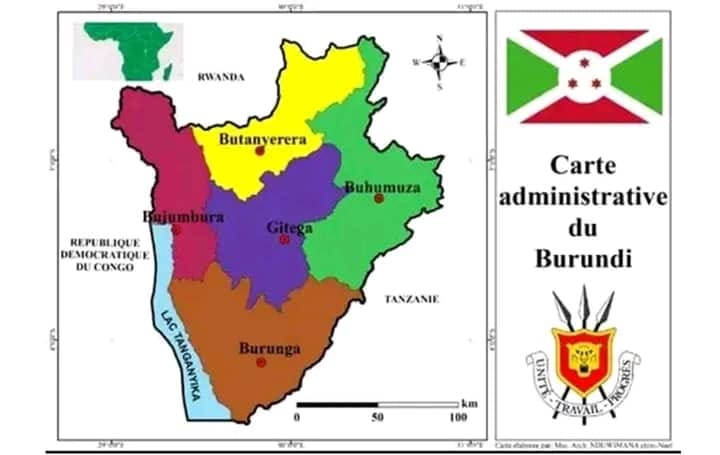
The administrative reform seeks to streamline procedures, reduce travel burdens, and bring government services closer to the public. However, the situation varies significantly in the country's interior, particularly following the recent enlargement of provinces. This expansion has altered administrative boundaries and service delivery dynamics outside major urban centers like Bujumbura. The situation in the interior of the country is notably different, especially since the enlargement of provinces has redefined local governance structures. For instance, residents in some rural areas still face challenges accessing these newly decentralized services due to geographical distances or limited infrastructure. The shift has created a more localized administrative presence, but the practical implementation and its impact on citizen access are not uniform across all regions, particularly in the more remote or recently expanded provincial territories. This notes the uneven progress and persistent hurdles in achieving equitable service distribution nationwide.
Calls for Enhanced Support
Users of public services in Burundi are calling for authorities to strengthen the human resources, infrastructure, equipment, and organization of administrative services. This appeal comes as the country continues its decentralization efforts, aiming to improve service delivery at the local level. Citizens emphasize the need for adequate staffing to handle the increased demand for services in newly established or expanded administrative units, ensuring that local offices are not overwhelmed. Improvements in physical infrastructure, such as office buildings and service centers, are also deemed key for efficient operations, providing suitable environments for both staff and the public. Additionally, calls include the provision of necessary equipment, ranging from computers and internet connectivity to communication tools, to ensure that decentralized offices can function effectively and meet modern administrative standards. Public engagement notes the importance of a well-structured organization within these services to guarantee accessibility and quality for all citizens, fostering a more efficient and responsive public administration system.
Source Context
Le Renouveau du Burundi, a daily Burundian newspaper, has maintained its position as a leader in print media in Burundi since 1978. Its editorial line is characterized by "Accompanying government action," reflecting its role in reporting on national developments.