A new epidemic of Ebola virus disease is affecting eastern Democratic Republic of Congo (DRC), with cases now confirmed in Goma. The Congolese government officially proclaimed the outbreak on May 15, 2026. This latest declaration marks a significant concern as the virus spreads to Goma, a major city and regional hub. The new epidemic is striking the eastern part of the country, prompting immediate public health responses.
Outbreak Details and Spread
The current Ebola outbreak is impacting the provinces of Ituri and Nord-Kivu in the eastern Democratic Republic of Congo. Authorities confirmed the appearance of a first Ebola virus disease case in the city of Goma on May 16, 2026. The Nord-Kivu provincial authorities were responsible for confirming this critical development. Goma, a strategic city with over two million inhabitants, is a significant urban center in the region, making the presence of the virus particularly alarming for public health officials. The patient identified in Goma had recently arrived from Bunia, which is the capital of Ituri province. This movement of an infected individual across provincial lines shows the challenges in containing the virus.
The initial cases of the outbreak were first detected in Ituri, specifically in areas experiencing ongoing insecurity and humanitarian crises. Investigations have confirmed the presence of the Bundibugyo strain, a rare variant of the Ebola virus, in this outbreak. The detection of this strain adds to the epidemiological profile of the current situation, as it is less commonly observed than other variants. The Bundibugyo strain was first identified in Uganda in 2007. Its presence requires specific attention for diagnostic and treatment protocols. The movement of the infected individual from Bunia to Goma notes the potential for broader transmission within and between provinces, especially given the high population density of Goma. The large population of Goma presents a significant challenge for containment efforts, as rapid urbanization and cross-border trade increase the risk of widespread transmission. Public health teams are working to trace contacts and implement isolation measures to prevent further spread within the city.
Response and Border Measures
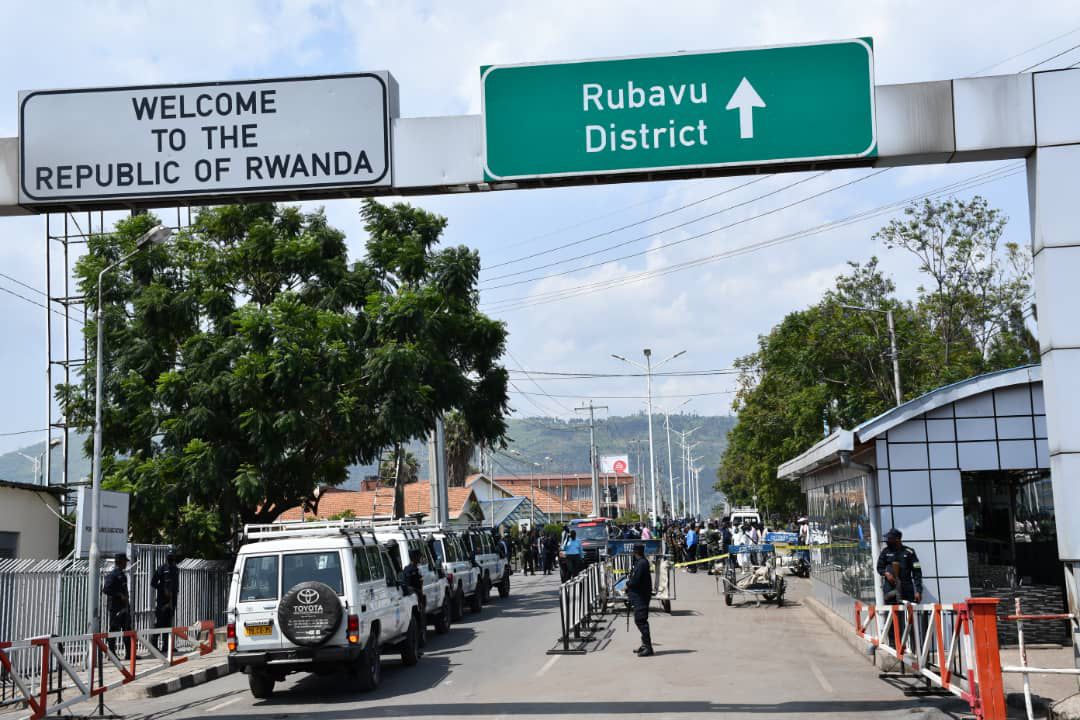
Partial restrictions have been implemented at the borders between the Democratic Republic of Congo and Rwanda, specifically at crossing points connecting Goma and Gisenyi. Similar measures are in effect between Bukavu and Kamembe, located in South Kivu province. These actions signify a partial closure of the borders with Rwanda, aiming to curb the potential cross-border spread of the Ebola virus. The decision to partially close the borders reflects a proactive approach by regional governments to protect their populations from the highly contagious disease. Such measures are key in preventing the virus from establishing new chains of transmission in neighboring countries.
Neighboring Uganda has also confirmed a direct impact from the outbreak, reporting two Ebola cases. One of these cases resulted in a death in the capital, Kampala. The confirmation of cases in Uganda shows the regional concern regarding the current Ebola outbreak in the eastern Democratic Republic of Congo, noting the interconnectedness of public health challenges in the Great Lakes region. The measures taken at the DRC-Rwanda border reflect efforts by regional authorities to contain the virus's transmission pathways and prevent a wider regional epidemic. The movement of people across the Grands Lacs region, driven by trade, family ties, and displacement, creates significant challenges for public health responses and requires coordinated efforts from all affected nations. International health organizations are supporting these national and regional efforts to strengthen surveillance and response capabilities.
Historical Context and Statistics
Congolese health authorities have reported hundreds of suspected Ebola cases and several dozen deaths in the ongoing outbreak. Approximately 350 suspected cases and 91 deaths have been recorded as of the latest reports, indicating a significant mortality rate associated with the virus. This current event marks the 17th Ebola epidemic officially recorded in the Democratic Republic of Congo, a country that has faced repeated outbreaks of the deadly disease. The recurring nature of outbreaks notes the persistent public health challenges faced by the country, often exacerbated by conflict, population displacement, and limited healthcare infrastructure in remote areas. Each new outbreak places immense strain on the country's health system and requires substantial international support to manage effectively. The long history of Ebola in the DRC has, however, also led to the development of experienced response teams and established protocols for managing such crises.