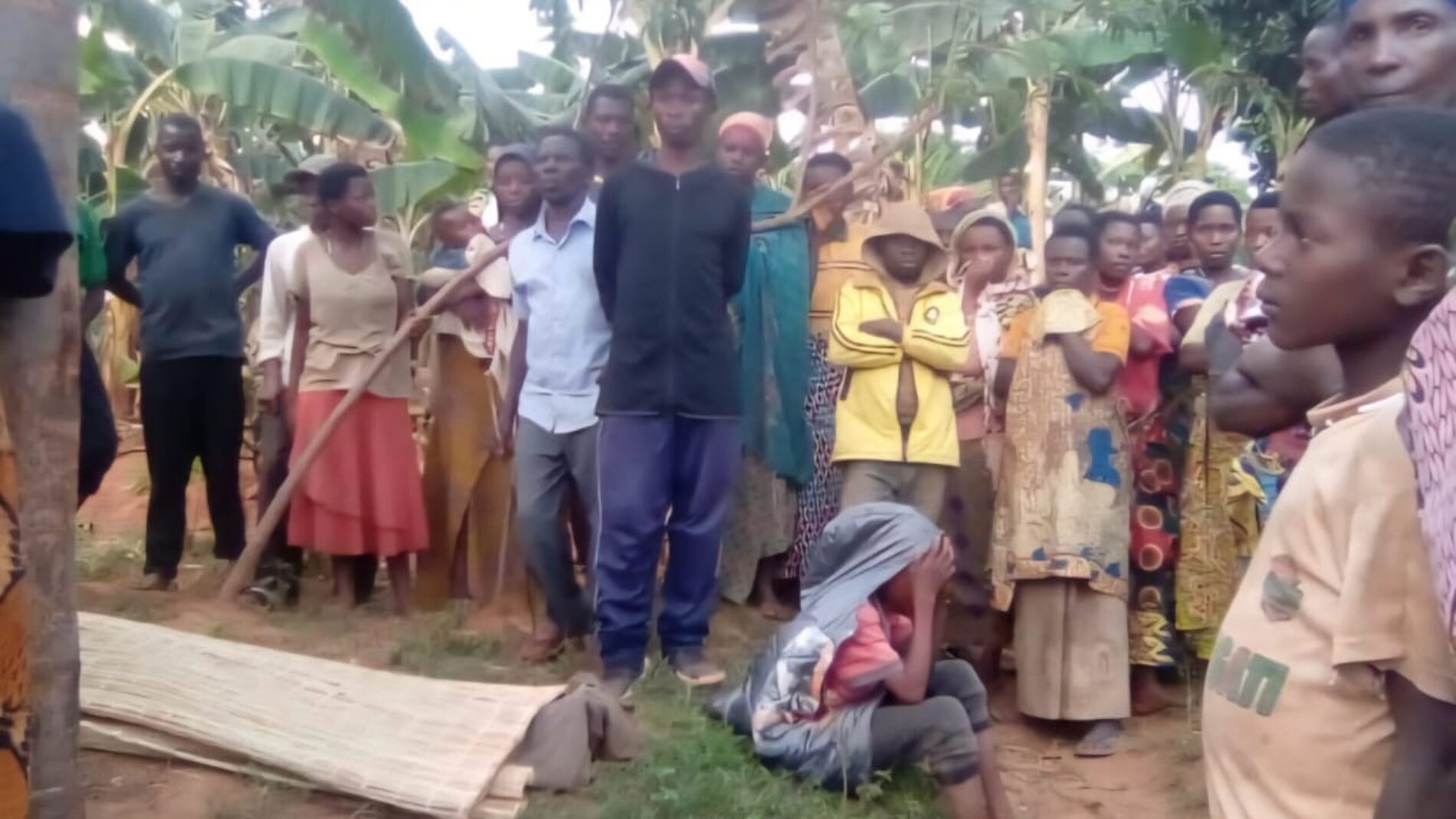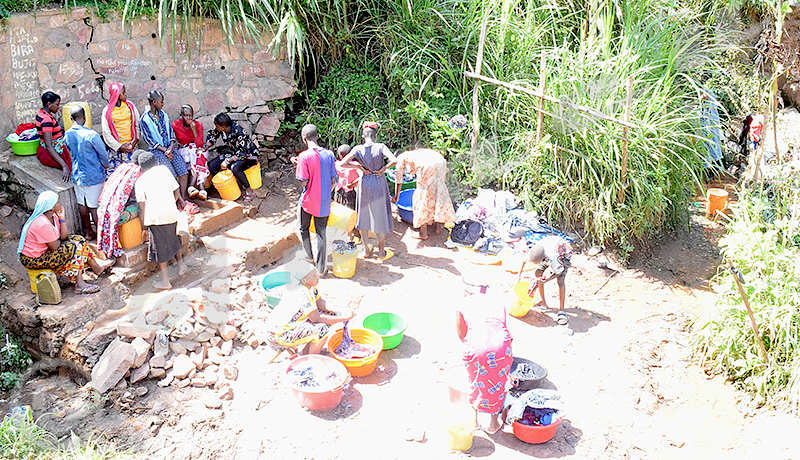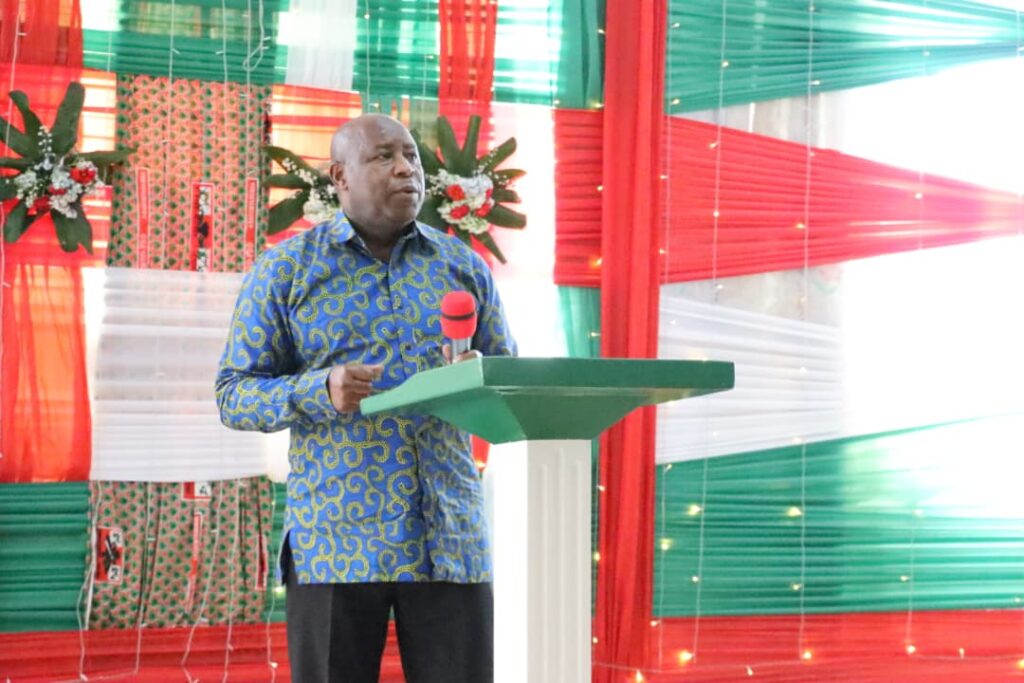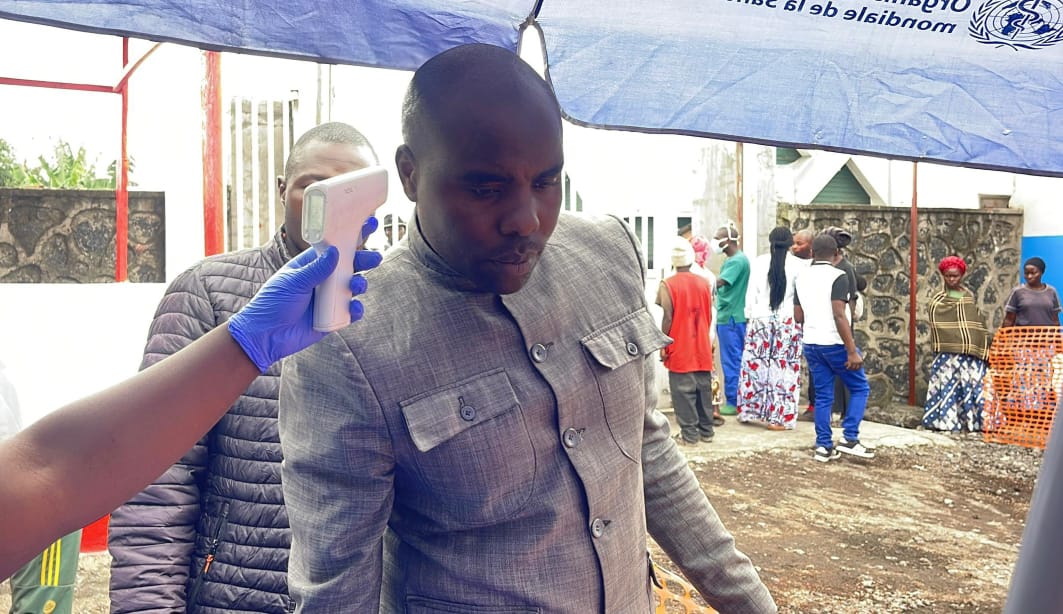
The Democratic Republic of Congo (DRC) has recorded over a thousand confirmed Ebola infections since the epidemic's onset, marking a significant health crisis that poses considerable challenges to public health authorities. Since the official declaration of the epidemic on May 15, the nation has registered 1,048 confirmed cases, resulting in 267 deaths. This figure represents the largest number of cases ever recorded during the first month of an Ebola epidemic, noting the rapid and severe progression of the outbreak in the country. The swift spread of the virus to urban centers in the DRC is fueling fears among health officials and the international community, exacerbating concerns about containment and control. The sheer volume of cases recorded in such a short period shows the urgency of the response efforts.
Escalating Case Numbers
The Ebola epidemic in the Democratic Republic of Congo has been accompanied by several hundred deaths, contributing to the escalating health crisis and placing immense strain on the healthcare system. These cases have primarily occurred in the country's eastern provinces, a region already grappling with complex humanitarian issues. Specifically, the affected regions include Ituri, North Kivu, and South Kivu. The concentration of infections in these provinces indicates a significant public health challenge in areas that also face other humanitarian concerns, such as ongoing conflict and displacement. The spread within these regions is a key focus for health organizations working to contain the outbreak, requiring targeted interventions and strong community engagement to prevent further escalation. The high mortality rate associated with the disease further emphasizes the critical need for effective treatment and containment strategies.
Urban Spread Accelerates Transmission
The World Health Organization (WHO) estimates that the spread of the Ebola epidemic into urban areas is a primary driver accelerating virus transmission. This extension of the epidemic to densely populated centers is considered one of the main factors contributing to the rapid increase in cases. This shift from rural to densely populated centers complicates containment efforts due to higher population density and increased movement of people. The introduction of the virus into urban environments presents significant challenges for public health interventions, including contact tracing and safe burial practices, which are more difficult to implement effectively in bustling cityscapes. WHO officials have noted the difficulty in controlling outbreaks in such settings, emphasizing the need for swift and full responses to prevent further escalation. The urban spread amplifies the risk of wider transmission chains, posing a greater threat to public health across the region and potentially beyond.
Experimental Treatment Deployed
The United States has supplied doses of the experimental treatment MBP134, developed by the American company Mapp Biopharmaceutical, for use in the Democratic Republic of Congo. This intervention comes as health officials seek additional tools to combat the ongoing Ebola epidemic, which has proven particularly challenging to control. MBP134 holds the potential advantage of being effective against several species of the Ebola virus, offering a broader therapeutic scope. This broad-spectrum capability could be significant in addressing the current outbreak, which has posed considerable challenges for containment and treatment efforts, especially given the rapid spread and high number of cases. The deployment of this experimental therapy represents a new phase in the response strategy against the virus, offering a glimmer of hope in the fight against this deadly disease. Medical teams are working to administer the treatment under strict protocols, closely monitoring its efficacy and safety in affected patients.